My background
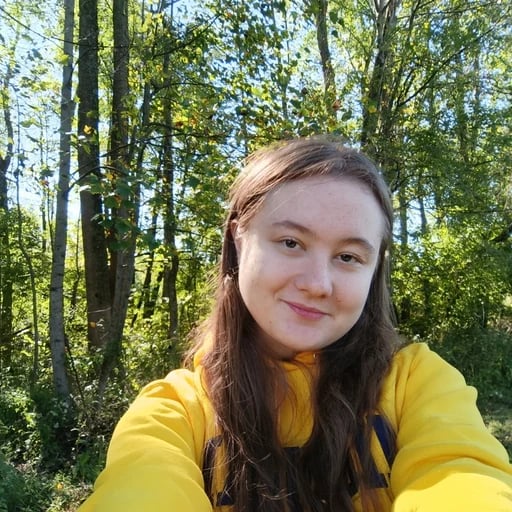
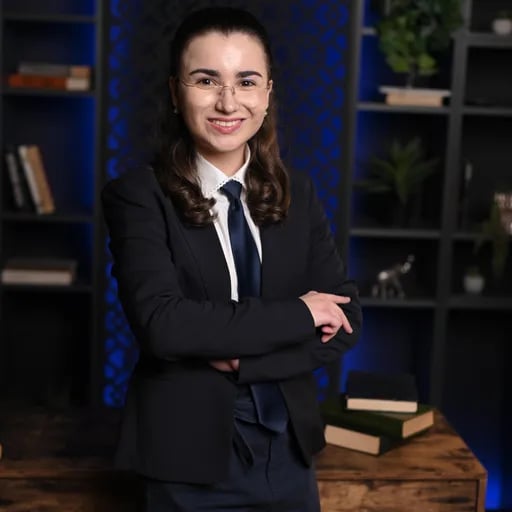
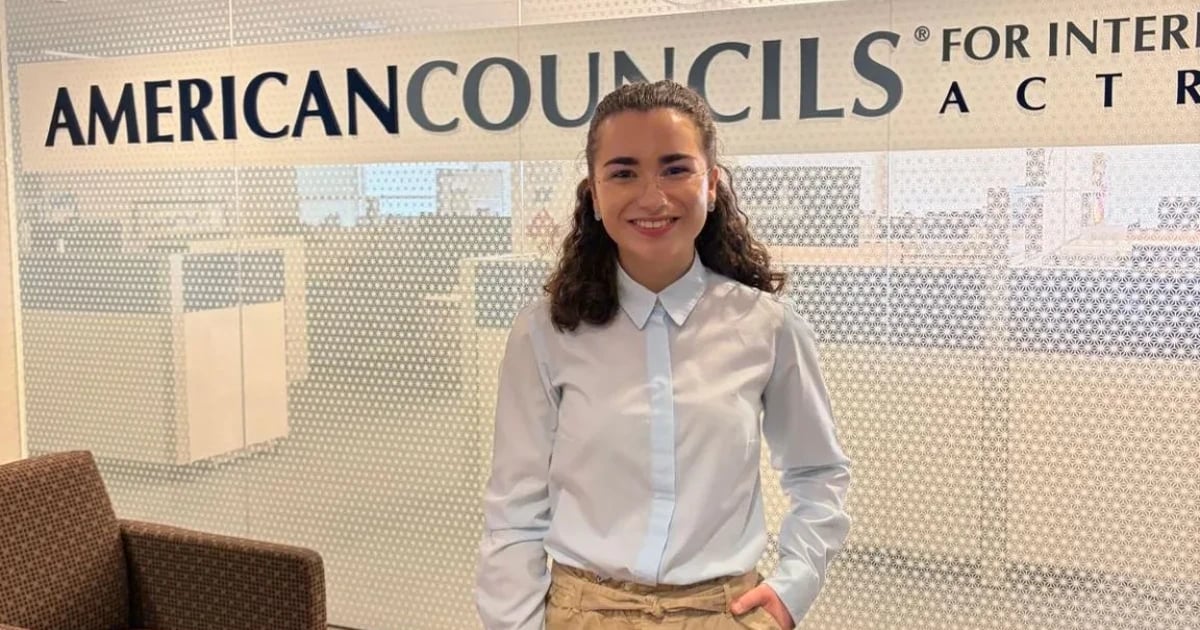
Hi, my name is Paula, and I am from the Republic of Moldova.
Throughout my high school years, I was enrolled in a physics-math-focused national curriculum: something that has definitely impacted my major choice. I graduated from a high school known to be one of the most academically rigorous in the entire country.
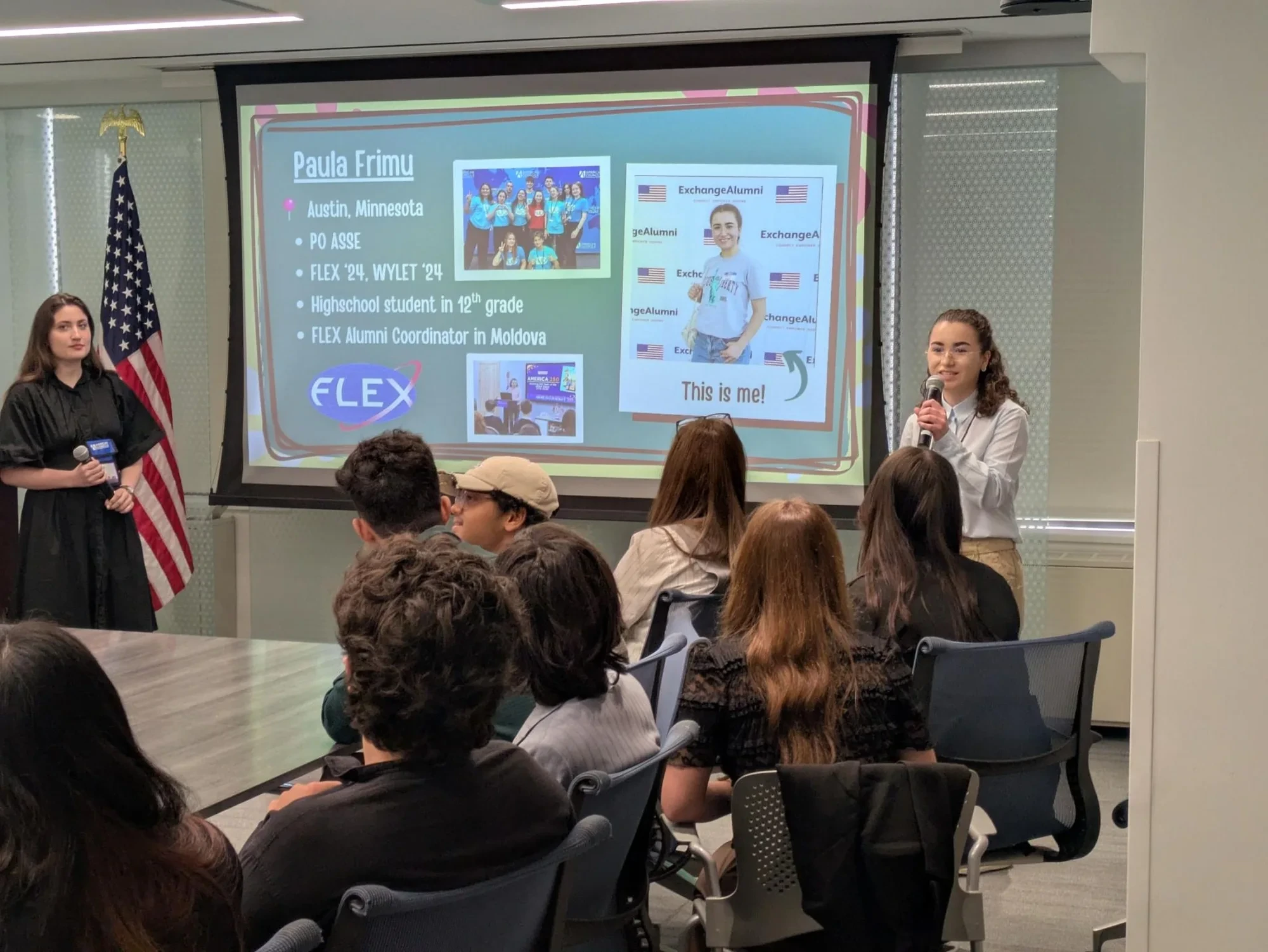
Apart from academics, I have always been interested in different extracurricular activities and unique learning opportunities. That is probably one of the reasons why in 9th grade, I decided to apply to the FLEX Program, which was already very popular in Moldova at the time. Fortunately, I was selected as a finalist and went to Minnesota, USA, where I studied at a public high school for an academic year while living with a host family.

Stats & Extracurriculars
My high school GPA was approximately 9.6/10. For English proficiency, I obtained a Cambridge C1 certificate, which was sufficient for my application.
In 9th grade, I participated in school Olympiads, and I also had an intercultural exchange experience in Switzerland. The next year, during my exchange year in the United States, I did a lot of volunteering and participated in different school initiatives.
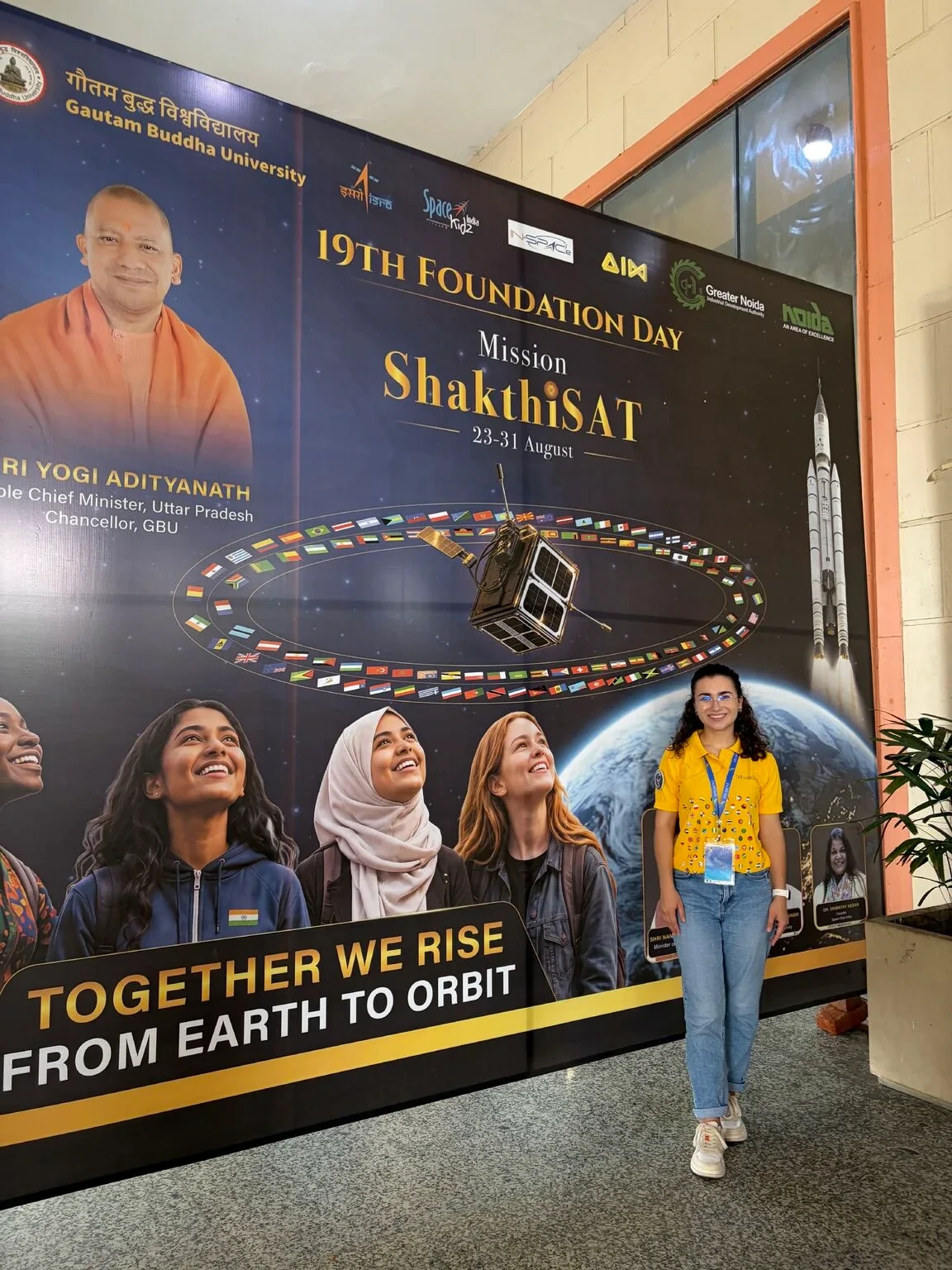
In 11th grade, I became involved in an international space technology-related program. I also participated in a merit-based leadership and teaching program while I was in the United States and briefly returned to the U.S. in 12th grade to participate in it again, this time as an assistant.
Considering my options
As I mentioned before, I have always wanted to study abroad, but after spending nine months away from my family during my exchange year, I thought I would prefer to stay in Moldova for my bachelor's degree. I had experienced homesickness, and I felt that perhaps I had already had enough of living abroad for a while.
However, by the time I reached 12th grade, my desire to study abroad came back. I started looking at all kinds of universities, including some in Romania and the Netherlands, as well as the Technical University of Denmark.
Application process & Why DTU?
DTU is a strong technical university in Europe, and I was particularly interested in its General Engineering program.
It is the only bachelor's degree taught in English at DTU, and as a result, the student body is very diverse. We have students from Spain, France, the United States, India, and many other countries. I really enjoy being surrounded by people with different backgrounds, so this is definitely an advantage for me.
The program also offers the opportunity to explore different branches of engineering before choosing a specialization. There are four main areas: Future Energy, Advanced Materials, Cyber Security, and Living Systems. Students take introductory courses in these areas and choose two to explore further, eventually selecting one as their specialization. I liked the idea of having more time to understand what I actually wanted to pursue before making a final decision.
The application process itself was quite straightforward and organized. I completed the application through the Optagelse.dk platform, which usually opens on February 1st. It is worth mentioning that non-EU/EEA applicants need to pay an application fee, and the application deadlines vary greatly for EU applicants and non-EU/EEA applicants.
I provided my personal information, selected my university preferences, and submitted the required documents. I also had to list my extracurricular activities, including volunteering, work experience, and international experiences, as well as the number of hours I dedicated to them. I also had to write a motivation letter. I completed most of my application in one day.
One important document was a statement showing how many hours I had studied each subject from 9th grade until the time of application. This document also needed to be signed by my school principal, so I would recommend preparing it in advance.
I would say that researching the university beforehand is really important. I mainly did that by studying their official website. You need to understand its history, achievements, and what makes the particular program different from others. Otherwise, it is difficult to explain convincingly why you want to study there.I received my acceptance relatively late, which made things a little stressful. That’s why I recommend keeping track of when each university announces its admission decisions and planning accordingly.
Finances
There were several reasons why Denmark attracted me. First of all, higher education is tuition-free for European citizens. There is also a financial support system that allows European students to qualify for the Danish student scholarship by working part-time. If you work around 10 to 12 hours per week, you can become eligible for this additional financial support.
However, that doesn't mean that living there is inexpensive.
Copenhagen is not among the cheapest places in Europe, especially when it comes to food and everyday expenses. Public transportation is another cost you should consider. I would definitely recommend preparing financially before arriving, because the first months can be the most challenging.
My Student Life
I definitely appreciate the quality of education at DTU and I really enjoy my mathematics classes.
Settling in takes some time. For example, getting your CPR number, which is your Danish personal identification number, can involve a process that might initially seem complicated. Another thing worth noting is that some dormitory rooms are completely unfurnished, so I recommend arriving before your studies begin to give yourself enough time to get what you need.
In terms of social life, it has been quite enjoyable. There are many opportunities to meet people, and being surrounded by international students makes it easier to build friendships. People also seem to value their free time and maintain a clear balance between studying, working, and leisure activities.
I would encourage anyone studying abroad to take advantage of the environment around them. You don't necessarily have to join long-term clubs or organizations. You can also attend workshops, forums, and short programs. I have participated in a student forum hosted at the residence of the Romanian Ambassador, joined an entrepreneurship program, and attended discussions on topics such as passive versus active investment. I think these opportunities are just as valuable as what you learn in class.
As for my future, I am still exploring my options. Ideally, I would like to combine engineering with entrepreneurship, but I haven't made a final decision yet. I believe we are living in a very fast-changing world, and it is important to understand the direction society is moving in before deciding what you want to pursue.
One thing I have started noticing is how many new problems emerge alongside technological development. People sometimes worry about artificial intelligence replacing jobs, but I see it differently. Every new innovation also creates new challenges that require people to find solutions. There will always be something new to learn and something that needs to be improved.
Final Thoughts
One thing that I believe is extremely important to learn as soon as possible is how to ask for help. When you arrive in a new country, there are so many things you simply don't know. You will make mistakes, encounter unfamiliar situations, and sometimes feel completely lost. But if you can admit that you don't know something, put your ego aside, and ask people for help, adapting becomes much easier. There is no point in sitting alone and overthinking a problem when you could ask someone and solve it much faster. Sometimes, the most important thing is simply to keep moving forward.