My Background and Profile
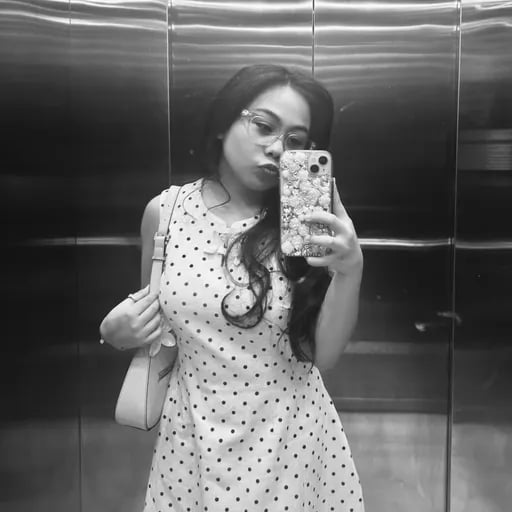
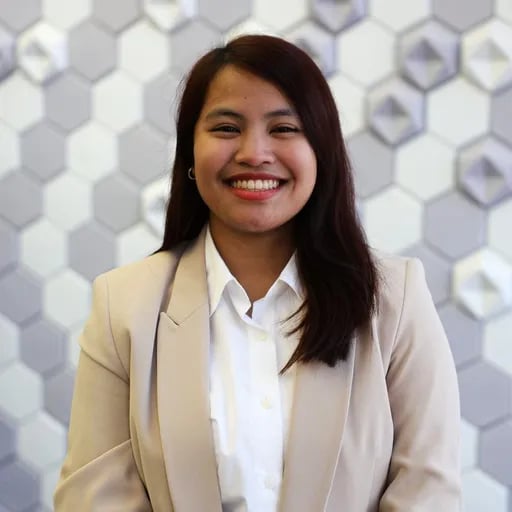
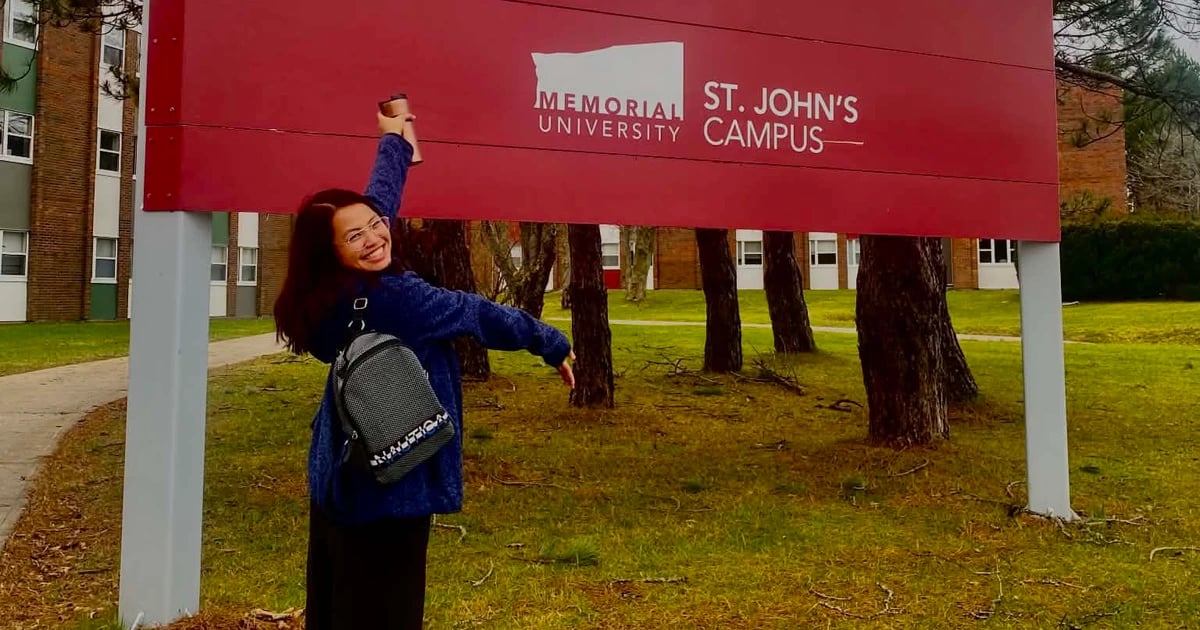
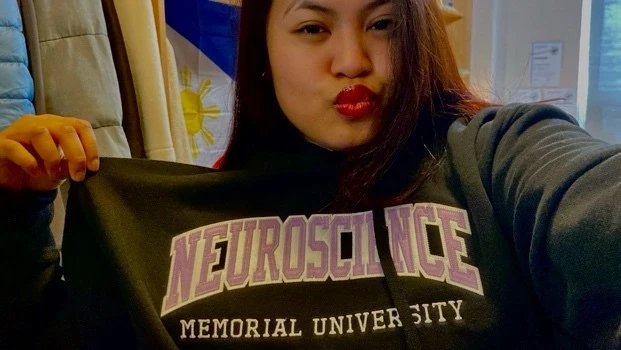
Hello! I’m Bea (Maria Beatrice). I graduated from Philippine International School Qatar in Doha as a STEM student under the K-12 Philippine Curriculum. Currently, I’m based in Newfoundland, Canada, studying Behavioural Neuroscience at Memorial University.
My journey from meticulously planning my future in high school to finally taking the leap into university was anything but certain. Yet sometimes, all it takes is five minutes to outweigh what years of planning had once seemed to promise.
Why Memorial University?
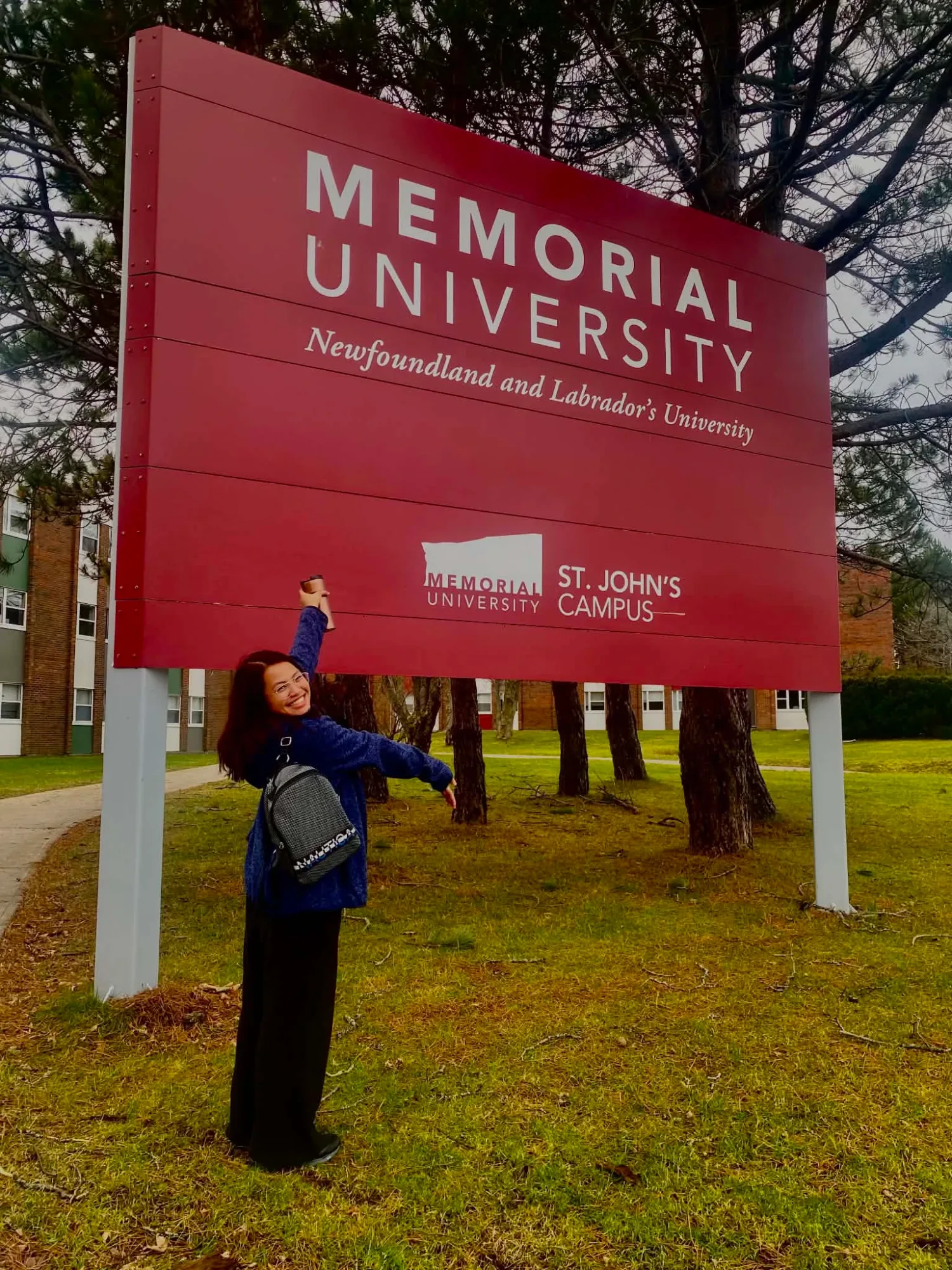
Initially, MUN was out of the picture. I had several paths open to me, with options centered around acceptances from the University of Toronto, McMaster University, and the University of Waterloo, alongside opportunities in the Philippines at the University of the Philippines Diliman, Ateneo de Manila University, and De La Salle University. After much deliberation over long-term financial stability and my plans beyond an undergraduate degree, MUN ultimately surfaced as the most suitable and well-rounded choice for me.
From Notion to Acceptance Letters
My application process took nearly a year, from initial preparation to submitting my applications, particularly because I handled most of my research and paperwork independently. I primarily used Notion to organize and rank my potential universities in the Philippines and Canada. My rankings were based on several factors, including financial feasibility, opportunities for networking and paid positions, student culture and community, and the lifestyle I envisioned for myself in each environment.
In the midst of this process, I took my IELTS in August 2023. This took me the whole summer. At the same time, I regularly communicated with my parents about my plans and stressed how important studying abroad would be to me.
Once I narrowed down my options, I started collecting needed documents from my school’s records office. These included my interim and unofficial documents, a certificate of good moral character, and a certificate proving my candidacy for graduation. Upon request, I needed to specify which universities I was planning to apply to. Around that same time, I created a detailed list of my extracurricular activities throughout high school for future reference.
From December 2023 to February 2024, I made the most of the applications to my respective universities. I applied to seven universities, and only Ateneo de Manila University in the Philippines and the University of Waterloo asked for my extracurriculars. As typically expected, the process involved submitting the required documents, writing personal statements, and paying any application fees.
When it came to terms of mentorship and advice, I communicated with our school’s guidance counselor. Since there are only documents they can issue, I seized those opportunities to establish meaningful conversations. Discussions began through me reaching out and asked questions about choosing a university, the complications that come with studying abroad, and steps I could have missed.
Finally, after everything, I proudly gained acceptances to all the universities I applied to. Alongside this, I received approximately CAD 33,000 worth of scholarships and awards from universities across Ontario, with varying amounts based on my admission average and grades in certain subjects.
Academic and Extracurricular Profile
In applying, my grades were the most competitive and significant aspect of my academic profile. I graduated with an overall grade point average of 97% and received the highest marks in subjects such as English, Science, Filipino, Research, and Social Sciences. As for my IELTS (Academic), I had an overall band score of 8.0.
I received a Best in Research award for a historic research paper regarding astronomy and astrophysics. Subsequently, a fellow researcher and I obtained copyright with the Intellectual Property Office of the Philippines in 2024 for a 3-in-1 air quality monitoring device with a real-time vibration alert system that notified users of outdoor conditions considered unhealthy for their respective respiratory systems.
The activities I frequently returned to were related to public speaking, specifically debate and Model United Nations. Under QatarDebate, I was consistently on the list of the Top 10 Best Speakers for every national tournament. Finally, I was awarded as the Top 2 Best Speaker of the Open League Category in 2023 with an overall speaking score of 72.50/80.
As for Model United Nations, I attended Georgetown University Qatar’s Fall and Spring MUN conferences four times, while winning Best Delegate in three of them. I represented Costa Rica in CSW, South Korea in PBC, and Peru in ECOSOC. These accolades allowed me to lead training sessions and provide significant advice to the rest of the Debate and Model UN delegates back at my school.

Refusing to Choose
Personally, Model UN was the most meaningful to me because it was the activity that made me consider Psychology as a definite career path. Alongside this, my passion always involved the hard sciences, so my chosen degree program was either Astronomy & Astrophysics or Biochemistry. Model UN constantly reminded me of my genuine love for public speaking and made me consider integrating it into my career, so Psychology felt like the bridge between that and science. I was honestly moved to tears once I made that realization. Before this, I felt like it was genuinely one or the other. I felt as if I had to sacrifice one great love for another because it seemed impossible to combine the two.
A Beautiful View, Missing Faces
Moving here was definitely a challenge in the beginning, but I was able to adapt because I quickly learned that asking for help does not diminish my independence. Before the end of my first semester, I had already become familiar with the rhythms of life in Newfoundland.
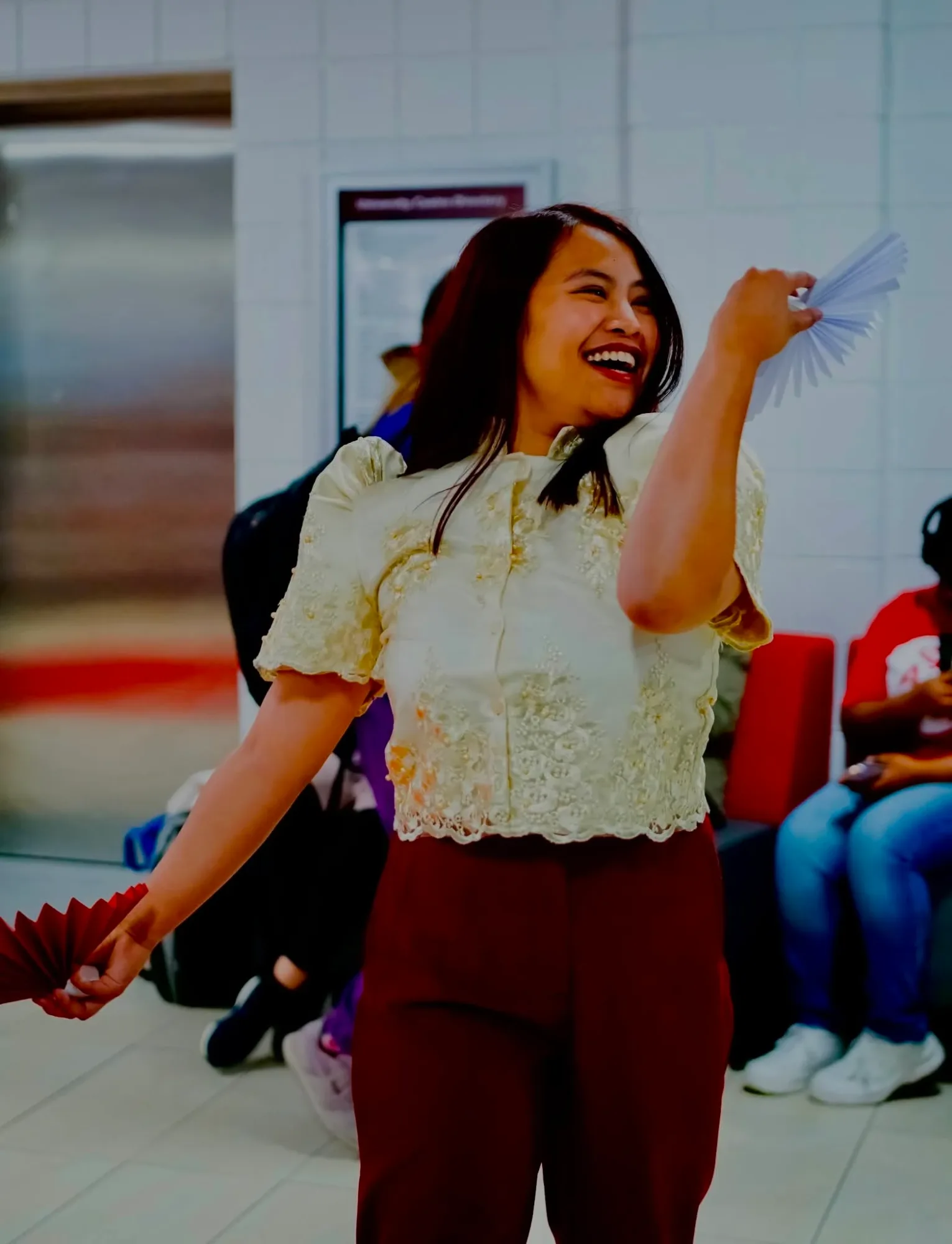
Being a first-generation international student comes with both support and criticism. Experiences that come with a double-edged atmosphere. From one point of view, people around me applauded my courage and mental fortitude; from another, some questioned the point of pursuing a career abroad when the same could be achieved in my home country.
From my initial arrival until today, the hardest part of my experience has always been homesickness. Moving abroad did not make it disappear over time. If anything, it found its way into the smallest moments. I laid my eyes on many breathtaking sunsets framed by mountainous views and wished my family were there to see them with me. I tried local food I found delicious and wondered whether my brothers would enjoy it as well. I sat during a lecture, listening to familiar words, and found myself thinking about how my younger sister would feel about them.
Homesickness appeared in the smallest of moments.
It lingers quietly, somewhere within ordinary days when I least expect it to come. I constantly have to battle it by maintaining the utmost motivation and an optimistic mindset.
The Day I Met My Future
I originally did not consider majoring in Behavioural Neuroscience (BHNR). As mentioned, I started MUN planning to graduate as a Psychology major, but I found myself enjoying more of the anatomical and neuro-related scientific jargon or topics in my first year. After being admitted to BHNR on my first try, my passion for the field did not fully take shape until I touched a human brain for the first time during my second year.
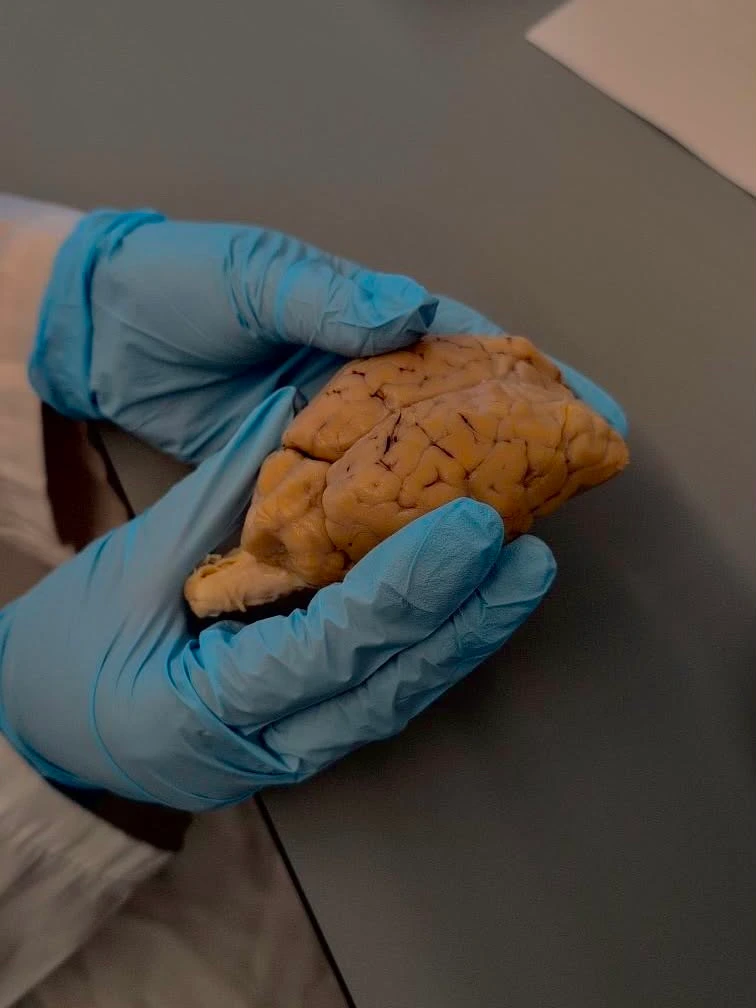
At this point, we were primarily handling sheep and rat brains in the lab. The concept of holding an actual human brain truly seemed incomprehensible. We were then asked to go towards the front of the room and were tested on our minimal knowledge of identifying its parts based on the lecture. Firsthand, I suddenly found myself asking, “Is this actually a real brain?” The entire experience felt surreal, almost impossible to reconcile with reality. No words could adequately describe the feeling of holding a human cortex in my hands. I found it difficult to focus on the task at hand, completely captivated by the intricacies of the brain in front of me.
The complexity of the brain itself, from the most recognizable structures to its smallest parts, gave me my first real realization that I wanted to pursue neurosurgery. I have always been fascinated by it, but seeing one in real life made the experience feel as though all the pictures I had seen online had suddenly come to life on that table. In my imagination, I instantly envisioned my future. On an ordinary day, I saw myself in a surgical gown, collaborating with fellow peers, and speaking passionately about my findings.
I am not a firm believer in the concept of “love at first sight”, but this was definitely close enough. This lifestyle seemed like the perfect fit for me.
Finding My Way Into the Lab
I was still aiming for a Bachelor of Science degree, even though I was undeclared in my first year. Nonetheless, I was given the opportunity to work as a paid research assistant in the Department of Chemistry and Education during my second semester (Spring 2025).
For my last paid position during the fall semester, I was a research assistant in the Translational Neuroscience Lab, under the direction of Dr. Francis Bambico.
Our main role involved co-authorship of a prospective research article that explored treatment options for a number of psycho-affective disorders. We collected and summarized related literature and studies to identify common themes among such modes of treatment. Though fully remote, Dr. Bambico allowed me to continue volunteering, which led to further training and comprehensive laboratory experiences (e.g., handling mice/rats, techniques for administering substances, etc.).
A Future in Neurosurgery
Every application I filled out led me more intentionally toward a position in a similar field. Instead of grabbing every opportunity that opens up, I now constantly aim to work under different professors and laboratories with similar objectives and skills.
Sometimes, short-lived five-minute experiences outweigh years of planning. I spent years carefully planning for my future, only to discover that the moments I didn’t plan for would define it for me. I still consider that five-minute experience, seeing a human brain in real time, as the moment my future was sealed, as someone aspiring to pursue a career in neurosurgery.
To be a neurosurgeon.
Your Dreams Aren’t Pointless
No matter how superficial or unrealistic things may sound to others, I hope people see that dreams are never pointless. While your life may not turn out exactly as you imagined in your wildest dreams, the mere act of having those visions for yourself can be enough encouragement to want and strive for more. The tangible and practical steps that you take are also undoubtedly major aspects in building your future, but a resilient mindset and attitude through the highs and lows of your journey will allow you to grow along the way too.
I honestly do not believe that the experiences that come with studying abroad are universal. While you can share the same university or future plans with friends and family, your version of a college experience will always be unique and tailored to how you choose to live it. Therefore, I would say that you should always try to know yourself first before you let people get to know you in another country. Reflect on your capabilities and any doubts you may have, and answer yourself honestly. Ask yourself what your strengths are, what areas you can improve, how willing you are to adapt to new situations, and whether major changes will be sustainable for you.
Give yourself the reality checks and the inevitable truths when you know you need them the most. The thoughts and realizations that can come out of that difficult conversation with yourself might just become the dealbreaker or reality check you have always needed.