

“You will never be able to contribute to all of society. So the best among you is the one who gives benefits to others.”
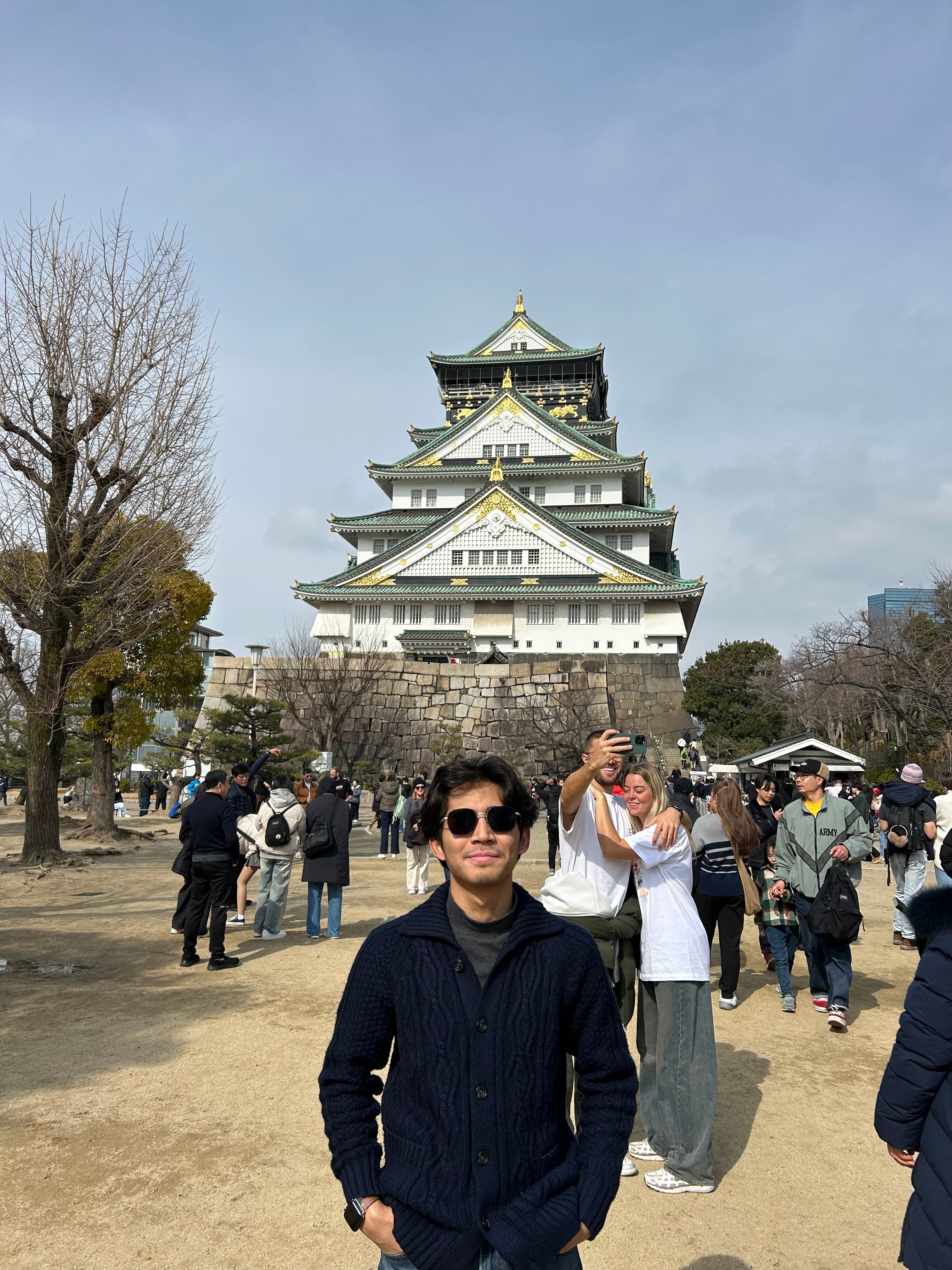
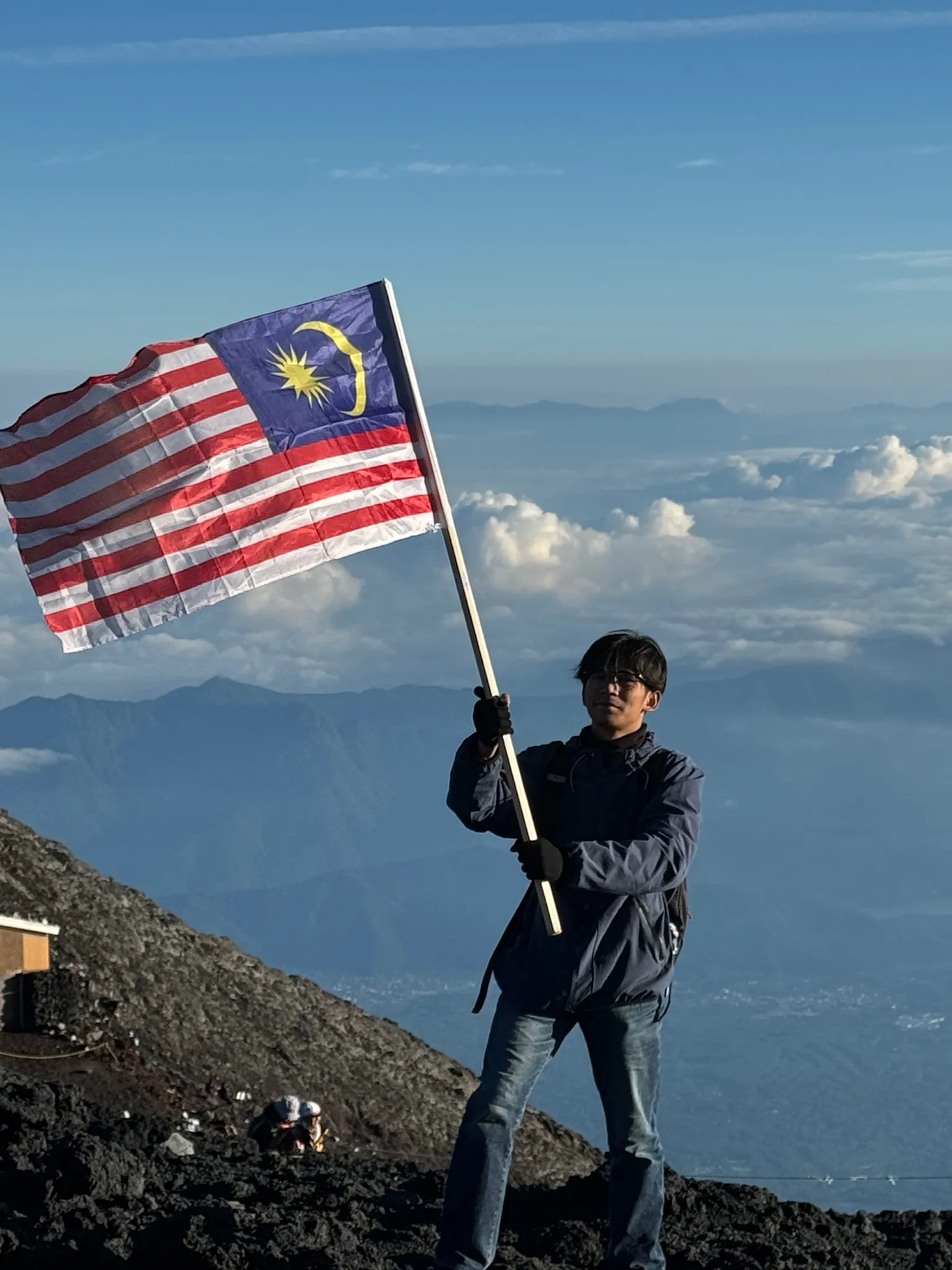
These words are ones I often return to when I think about my journey. My name is Muaz Fariz, a second-year student of International Studies at Utsunomiya University, Japan, majoring in International Law. At nineteen, I left Malaysia with the JPA scholarship in hand and a sense of responsibility in my heart. What began as a pursuit of education has become a journey of connecting with others: through international relations, through service, and perhaps most powerfully, through language.
From MRSM to JPA: A Foundation of Opportunity
My academic story began at MRSM, where discipline, resilience, and community shaped the way I saw the world. It was also there that I nurtured the ambition to aim higher, to contribute to something larger than myself. After achieving 9A’s in my SPM (Sijil Pelajaran Malaysia), I managed to secure the JPA scholarship. It was a door to possibilities, a sign that I could step into the world beyond Malaysia while carrying my roots with me.
Teikyo University: The Bridge Before Japan
Before setting foot in Japan, I had the chance to experience the Pre-Japan Programme at Teikyo Japanese Language School in Malaysia. It was my first immersion into the Japanese way of learning and living, and challenging would be an understatement. The programme demanded discipline and focus, but it also showed me the beauty of cultural exchange.

JLPT & EJU: Trials Before Triumph
Language was, and still is, my greatest challenge. Before enrolling into Utsunomiya University, I had to prove myself through the JLPT (Japanese Language Proficiency Test) and the EJU (Examination for Japanese University Admission for International Students). These were not just exams, but tests of perseverance.
I remember sitting in classrooms for hours, surrounded by textbooks thick with kanji and grammar rules that seemed endless. Every day felt like a battle against the characters on the page and the clock on the wall. Some nights, I would wake up frustrated, questioning if I had the capacity to keep up with a language so foreign to me. The sheer volume of vocabulary, the subtle nuances of sentence structures, and the complexity of reading comprehension often felt overwhelming. Yet, gradually, small victories began to appear: understanding a conversation in class, or answering a tricky practice question correctly. Passing these tests was not simply about academic achievement — it was about proving to myself that I could adapt, survive, and eventually thrive in an environment completely different from home. The struggle forged resilience, patience, and a deep respect for the process of learning itself.
Embracing the River of Tradition: My Journey to Japan
People often ask me: Why Japan?
I never imagined that my academic journey would take me to Japan. At first, it was simply an opportunity: a scholarship that opened doors, and I cared little for the destination. But Japan revealed itself as more than just a country; it became a space that challenged me, shaped me, and demanded I grow. Its language, customs, and culture were unfamiliar, intricate, and at times overwhelming. Each day felt like navigating a river of tradition, where every interaction carried meaning beyond words. Yet, it was precisely through these challenges that I discovered resilience, adaptability, and the subtle beauty of immersing myself fully in a world so different from my own.
Weaving Connections Across Borders
My choice of International Studies, with a focus on International Law, came from a desire to understand the frameworks that govern our interconnected world. Law is not just about rules on paper: it is about people, rights, and responsibilities. By studying IS, I hoped to place myself in a position where I could help bridge divides, negotiate differences, and create meaningful contributions to communities, whether local or global. During my time in Japan, and especially through participating in international competitions and engaging with peers from all over the world, I saw firsthand how interconnected our societies truly are.
Competitions and Think Tanks: Learning Beyond Borders
One of the highlights of my journey has been participating in international competitions and think tanks. In 2023, I represented my university in an International Humanitarian Law competition in Turkey. Standing on that stage as a Malaysian student reminded me how far I had come, but also how much more there was to learn.
Beyond competitions, joining think tanks exposed me to ideas larger than myself. It was not just about winning debates or drafting policies: it was about learning how different nations and cultures approach problems, and how collaboration can shape solutions.
YOSH: Leadership Through Service
My journey with YOSH (Youth of Strength and Happiness) has been profoundly transformative. What began as a simple volunteer opportunity during my pre-Japan program in Malaysia grew into a meaningful leadership experience that shaped how I approach responsibility, teamwork, and impact. Initially, I participated as a volunteer, helping with cultural exchange programs and basic translations. But gradually, through consistent involvement and dedication, I was entrusted with managing a branch: overseeing operations, coordinating crowdfunding campaigns, and ensuring the success of social programs.
Whether coordinating collaborations with universities, companies, or youth associations, I realised that my role was to empower others, guide them, and cultivate collective growth. Most importantly, YOSH reinforced a principle that resonates deeply with me: true leadership lies in service. By creating opportunities for others to thrive, I was not only contributing to the community but also growing alongside it.
Life in Japan: Lessons in Adaptation
Living in Japan has been as challenging as it has been enlightening. Japanese society is intricate, not only in language but in culture, social etiquette, and interpersonal relationships. I quickly realised that mastering the language alone did not guarantee understanding the culture. Even when I could read kanji and speak Japanese at a functional level, truly connecting with people required patience, observation, and sensitivity to unspoken social cues.
Making friends was perhaps the greatest lesson in humility and perseverance. Unlike in Malaysia, where friendliness flows easily and connections form quickly, Japanese social norms value respect and distance. Many classmates remained just that, classmates, while friendships were cultivated slowly, nurtured over time through shared experiences and trust. Yet, this experience also revealed the beauty of human curiosity and openness. Some Japanese friends sought to learn about Malaysian culture, language, and traditions, allowing me to bridge worlds and create meaningful exchanges.
Homesickness was rare; independence had been a part of my life since I was thirteen. Instead, I focused on learning, connecting, and contributing in every space I occupied. Life in Japan has not just been an academic journey; it has been a profound education in human connection, patience, and the nuanced ways we relate to one another.

Cultivating Impact for a Connected World
Looking ahead, my goal is clear: to return the benefits I have received by contributing to society. I see myself working at the intersection of law and international service, perhaps with organisations such as JICA (Japan International Cooperation Agency), the UN (United Nations), or in Malaysia’s own foreign policy institutions. But beyond titles or institutions, what matters to me is the ability to impact lives, whether by drafting legal frameworks, supporting humanitarian initiatives, or simply mentoring those who come after me.
Reflections for Those Who Follow
If I could give one piece of advice to those who aspire to walk a similar path, it would be this: do not fear discomfort. Growth comes from the moments you feel most unprepared. Whether it is learning a foreign language, living in a new culture, or competing on an international stage, discomfort is the beginning of transformation.
I came here as a nineteen-year-old armed with nothing but ambition and a scholarship. Today, I walk between worlds, not perfectly, but earnestly learning, serving, and growing. And if there is one lesson I carry forward, it is this: language is more than words, law is more than rules, and education is more than certificates. At their core, they are all bridges, ways of connecting with others, and through that, discovering who we are meant to be.