
Who Am I?
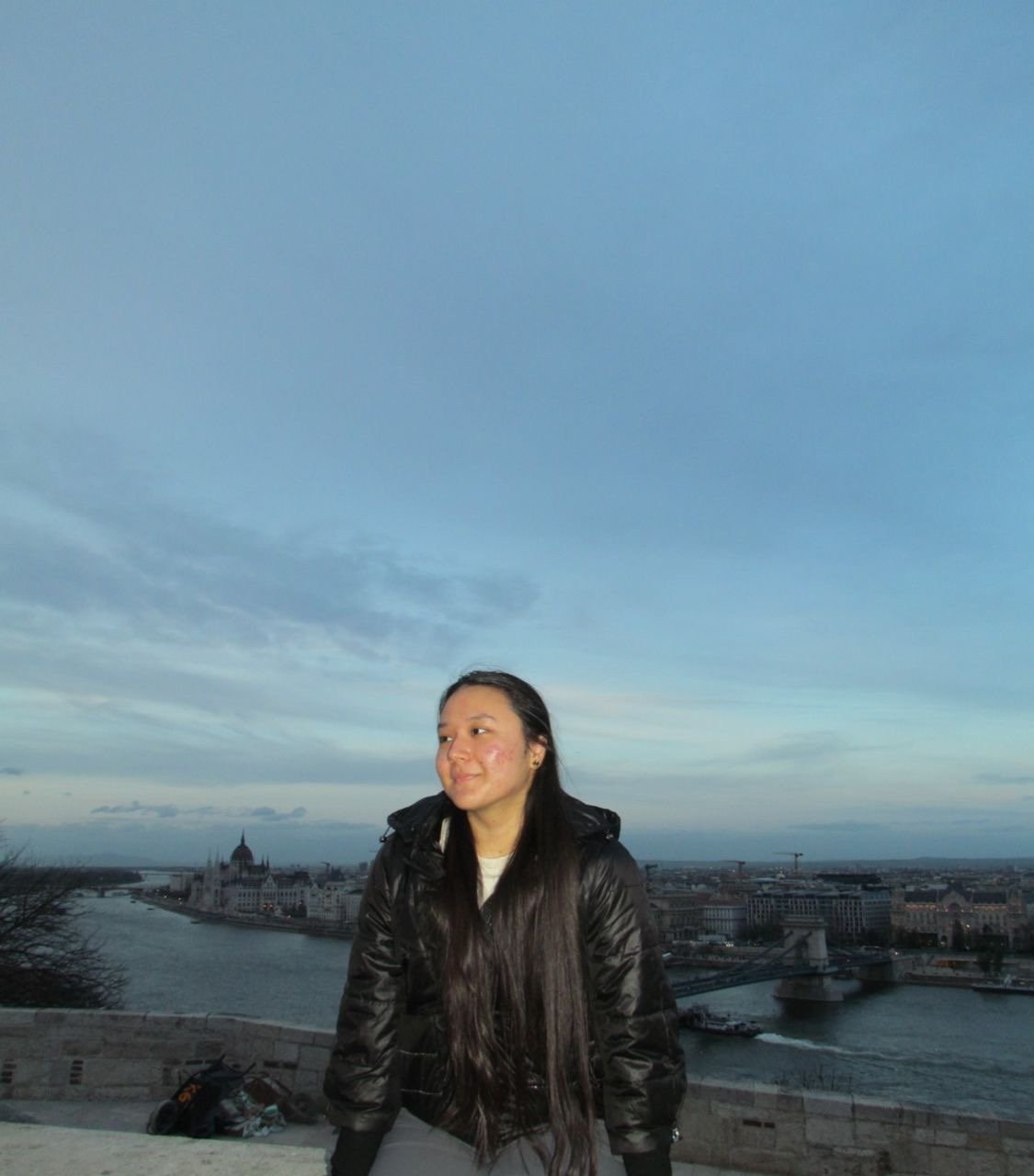
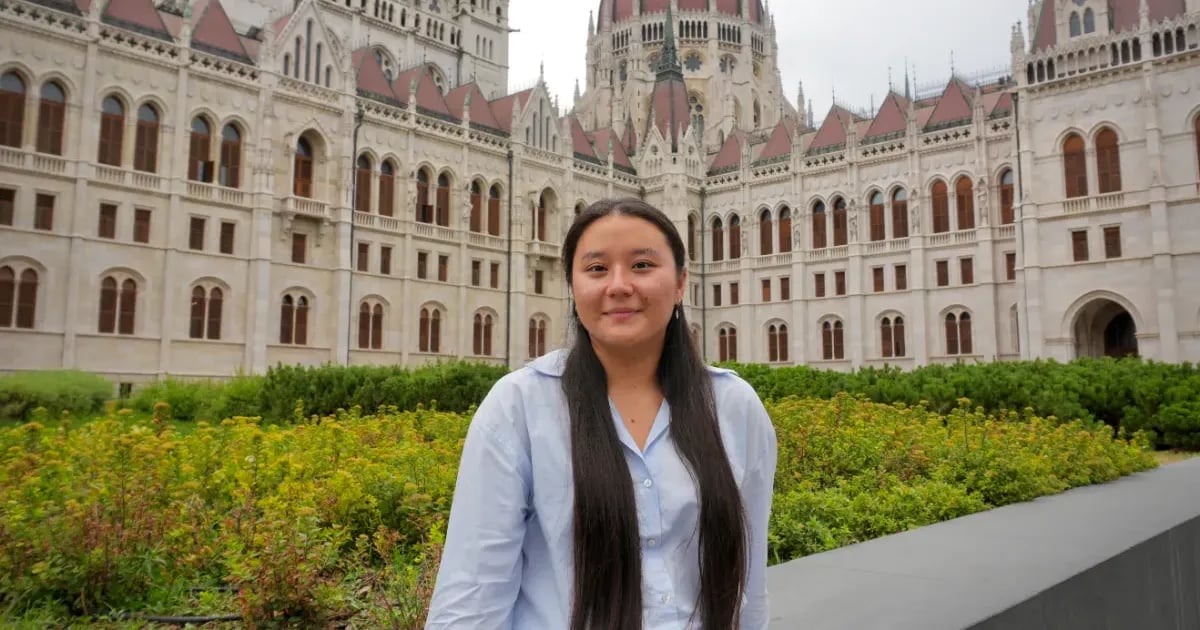
I am originally from Kyrgyzstan. I studied at a lyceum in my hometown, but I was always very active outside of school - volunteering, participating in projects, and learning languages. Initially, I enrolled in a university in Bishkek for my bachelor’s degree, but later I decided to apply to Hungary, specifically Budapest.
Why ELTE and Hungary?
For me, ELTE represents a balance between tradition and freedom. It is a university with a strong academic reputation, yet it also provides space for independent thinking rather than rote learning. ELTE is about thinking, not templates. Here, you are taught not what to think, but how to think - and this is reflected across all disciplines.
ELTE is also the largest and oldest university in Hungary and consistently ranks first nationally. From the very beginning, I felt that I had entered a living intellectual city. Many languages, many cultures and you immediately realize that it is normal here to be different and to ask questions.
Many great innovators and Nobel Prize laureates studied at ELTE, and this creates a deep sense of confidence. It affects the way you think, because you understand that you are studying at the same university where such minds were formed, which makes you believe that you, too, can achieve something extraordinary. The university provides not only knowledge, but also experience and analytical skills.
The most difficult part for me was adapting to the academic style: a lot of independent reading, analysis, and full responsibility for your own time. No one controls you - you are fully responsible for the outcome. However, this develops critical thinking, which I truly enjoy and see as a major advantage.
What shocked me the most was how seriously students’ opinions are taken. Initiative is expected, not memorization, as is often the case in CIS countries. You are allowed to disagree with professors as long as your arguments are well-founded. This was unexpected but very inspiring for me. Professors are also open to dialogue - once, one of them even invited us to an off-campus venue after class just to talk and get to know each other.
This leads to the main advantages: internationality, open discussions, and strong academic staff.At the same time, there are disadvantages. Sometimes the structure is not very clear, especially for first-year students who are still adapting to the system. During finals, the final week can be overwhelming, and occasionally students may not fully understand expectations. However, with time, you get used to it, and everything becomes much easier.

Budapest is a very student-friendly and vibrant city. It is calm and dynamic at the same time. It is easy to study, walk, think, and feel like part of Europe here. The city is comfortable for students: public transport is significantly cheaper than in neighboring countries, there are countless events, and many places offer student discounts, which makes life much more affordable, especially for international students.
My life at ELTE is constant growth. Studying, working, volunteering, meeting new people. Sometimes it is challenging, but it is exactly here that I feel I am developing not only as a student, but also as a person.

International Relations
Initially, I planned to pursue medicine, but it is extremely difficult to find scholarships for undergraduate medical programs abroad. Most funding opportunities are available at the master’s level. After careful consideration, I chose International Relations, and I have not regretted it.
ELTE holds strong positions in Political Science, Social Sciences, and Humanities. I am currently in my third year and will be graduating soon. Our cohort is quite large - around 200 students from more than 50 different countries. Being surrounded by people from all over the world makes studying International Relations far more meaningful and practical. You are literally surrounded by the world.

TOEFL
I did not take the SAT or IELTS. I took the TOEFL and scored 103 points, which I considered sufficient for admission to an English-taught program. My school GPA was consistently high: 5.0/5.0.
I prepared for the TOEFL in various ways. Advice from school teachers was extremely helpful. I attended courses, and practiced regularly - especially reading and listening. This preparation not only helped me achieve a high score but also significantly boosted my confidence in English.
Extracurricular Activities
I was actively involved in volunteering, projects, PR work, translation tasks, and social initiatives. These activities demonstrated that I was not just studying, but actively engaging, working with people, adapting, and taking responsibility. This significantly strengthened my application and built my confidence that I could be not only a student, but also an active member of university life.
Although grades are formally more important at ELTE, extracurricular activities make a profile more dynamic and distinctive. The university values initiative and real engagement, not just academic results.


Financial Aid
I was most interested in studying in Hong Kong because of its strong international environment, but I realized that it would be financially challenging. Eventually, I was drawn to the Hungarian government scholarship Stipendium Hungaricum, which almost fully covers tuition and provides support for living expenses. This completely changed my plans in favor of ELTE, where I saw a real opportunity to study without heavy financial pressure.
If studying without a scholarship, the average tuition fees at ELTE for English-taught programs are approximately:
- Bachelor’s programs: €2,000–2,300 per semester
- Master’s programs: €2,500–3,500 per semester, depending on the faculty
These are useful benchmarks for international students, although exact fees depend on the program.
I was admitted through the Stipendium Hungaricum scholarship, which was a key factor. It fully covers tuition, provides accommodation options (either a dormitory place or a monthly housing allowance), includes health insurance, and covers part of visa- and administration-related costs. However, it is important to note that this scholarship requires a separate application and a separate competitive selection process - it is not automatic.
Admission Process
I carefully studied ELTE’s official website, read forums and student blogs, followed guides on Stipendium Hungaricum, and communicated with students who had already gone through the process. This helped me clearly understand the steps and requirements.
I had heard about Borderless, but during my application process, I did not use counseling platforms. I relied on official sources and advice from people I trusted.
The most challenging part was navigating documents and deadlines, especially because the university application and scholarship application ran in parallel. Requirements were sometimes phrased very formally and dryly. I handled this by rereading official instructions, asking coordinators questions, and not hesitating to double-check everything.
My personal statement focused on how my volunteering and social experience shaped my interest in International Relations. I did not write about “achievements,” but about my journey - how working with people, social projects, and international exposure influenced my career choice.
My school played an important role. Teachers helped with recommendations, shared advice on exams, and believed in me. This support was crucial - not only academically, but emotionally as well.
I started preparing for university about a year in advance. This time was spent on TOEFL preparation, document collection, motivation letter writing, and program selection. I believe this timeline is optimal - focused, but without unnecessary pressure.
Advice
First, do not be afraid of an extraordinary path - it is often the most honest one.Second, rely on official sources and trust yourself more than rumors.And most importantly, universities are not looking for perfect students - they are looking for real ones.