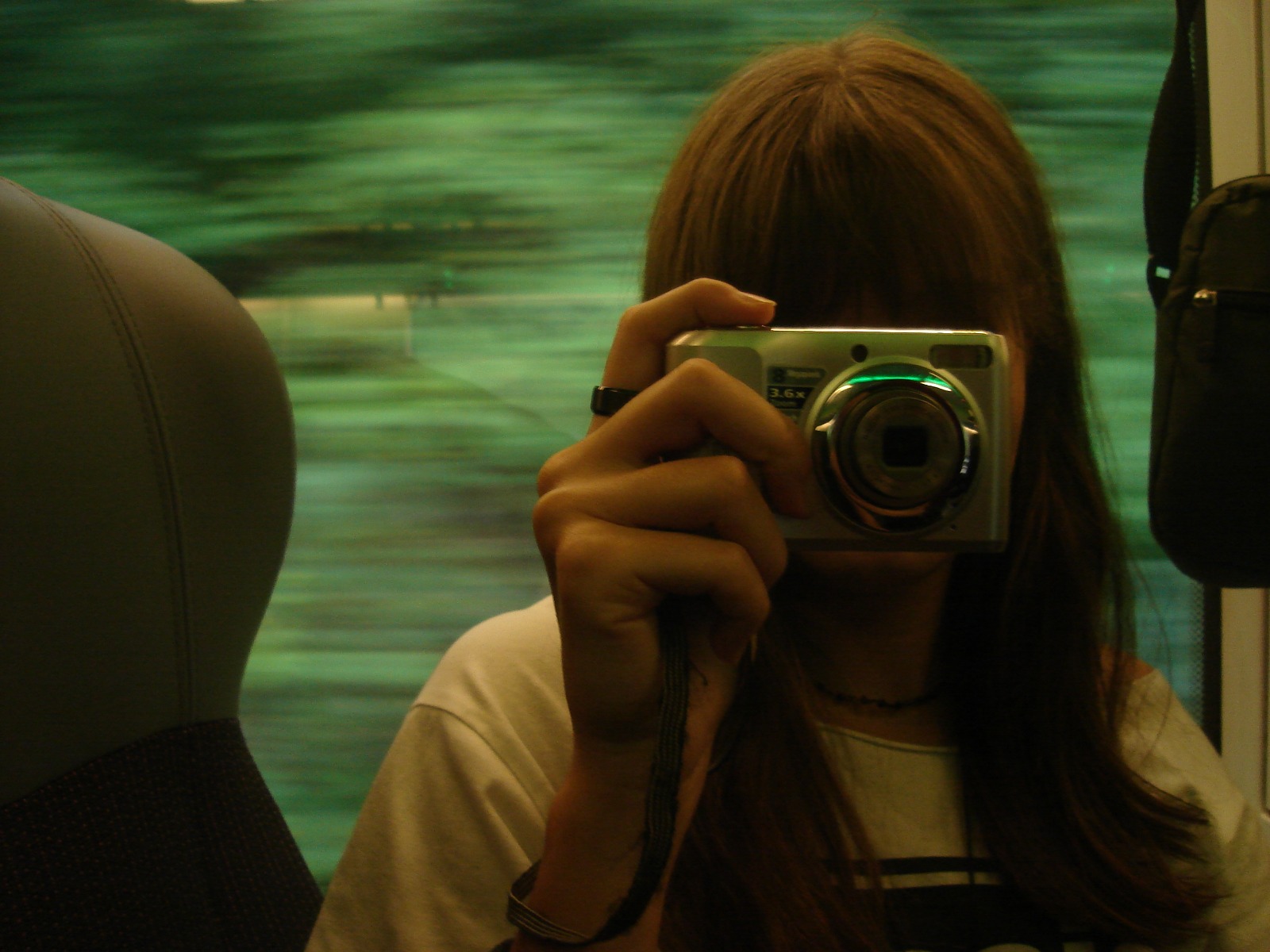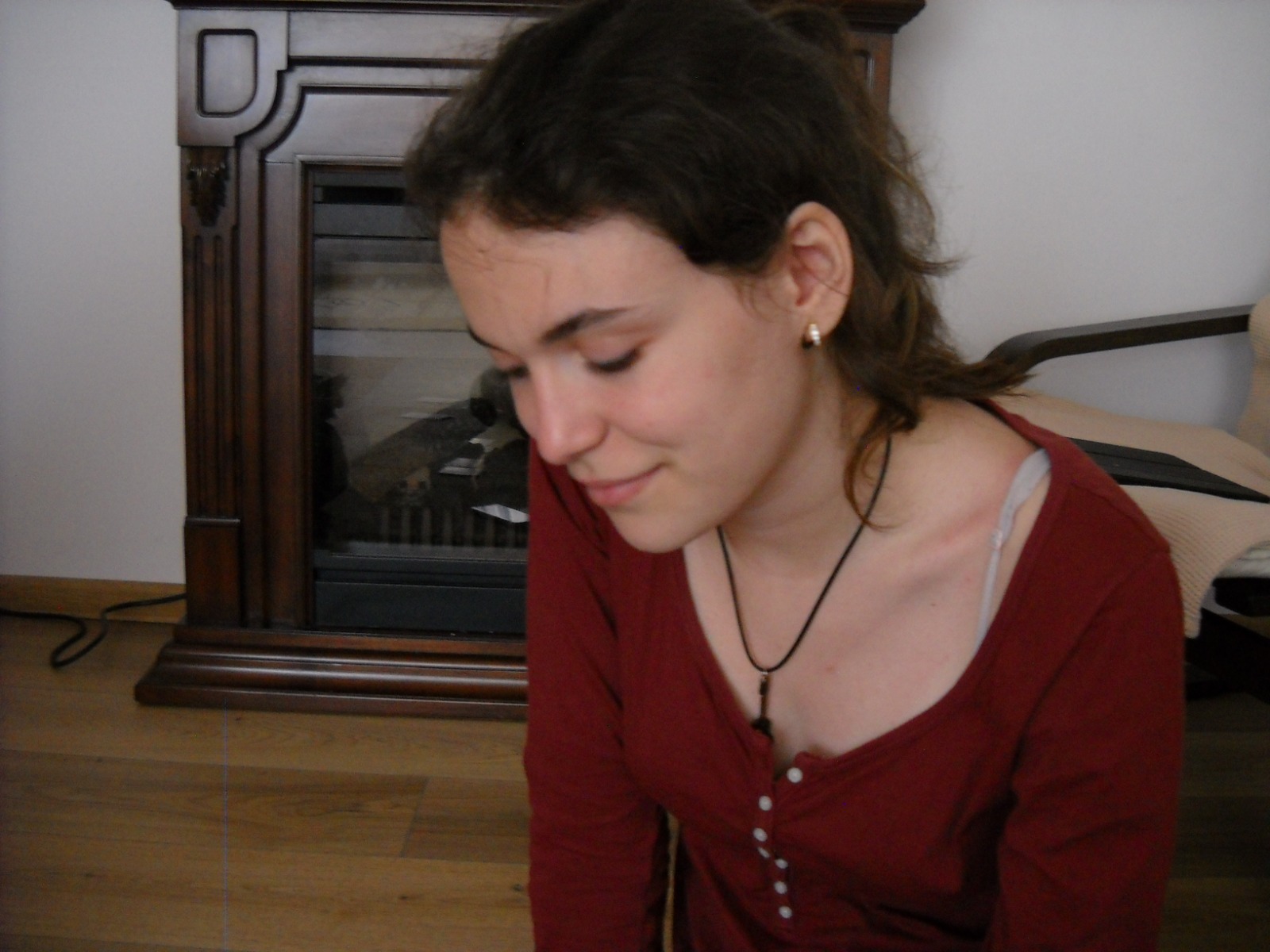
Hello! I’m Anastasia Kirschner. I’m a rising junior from Romania at the National Bilingual College George Coșbuc. I’m about to turn 17, and I enjoy playing the piano and drawing. It’s always been kind of a dream of mine to visit Germany, since, funny enough, my family name is of German origin!
Discovering Erasmus+: From Bucharest to Germany
My school advertises the different projects and exchange programs you could be a part of, and that’s how I found out about Erasmus+, which is an exchange program between students from different European countries. The easiest ways to access these programs are either through your school, if it’s part of the Erasmus+ project scheme, or by looking up opportunities outside of your school on their website. Before I left for Germany, we already had students from Italy and Spain visit our school for a genetics workshop, which gave me an idea of what international projects could be like.
The selection process was a bit confusing, as our form teacher informed us that there were only 6 spots available for Germany. I was lucky enough to be selected based on my passion for biology, having maintained an average grade of 10/10 over the past two years, and also on my proficiency in German, which I’ve been studying for the past 6 years. I had also been involved in other school activities, such as taking part in a German adaptation of Snow White. There was no need to show proof of my English proficiency, since I go to a bilingual college and I had already taken my FCE.
As for why I said yes, the answer was quite simple: I had wanted to visit Germany since I was little. I was also excited about meeting new people from different countries, so it felt like I had nothing to lose by taking the opportunity!
Cost
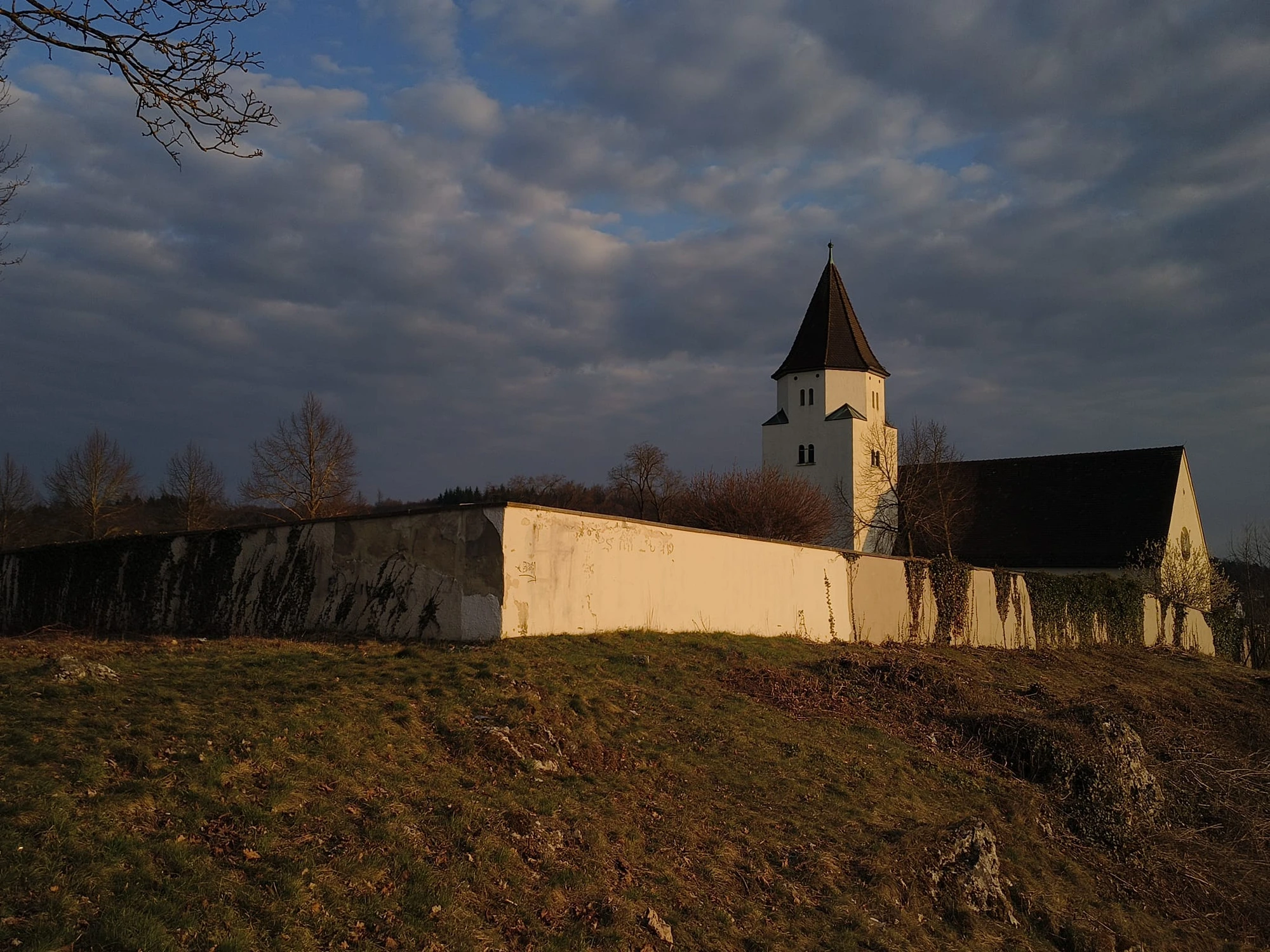
The biggest expense was the plane tickets, which came to be around €321. The excursions were around €100, mainly because I visited both Munich and Ulm. The remaining €337 covered the train tickets(€62), pocket money(€60), and accommodation, including breakfast and sharing a room with another person(€215 for my half of the room). The overall price also included a small contribution to cover the teachers’ expenses.
First Impressions and New Experiences
Before leaving for Germany, I didn’t have a specific image of what to expect. I’ve always imagined it as a very clean, ecological, and modern country, and it did not fail to impress! Besides that, I thought we would get the chance to practice German more, but that didn’t happen since English was more practical for everyone.
What I was most excited about was meeting people my age from different countries. Students from Greece, Germany, Latvia, and Romania took part in the project, which made the experience feel truly international. At the same time, I was a little nervous about having to work in teams and speak in front of everyone, especially since I’m not very comfortable with public speaking. I even had to give a presentation on the second day about my school and talk about our choir, since I’m a member. However, I quickly got used to everything.
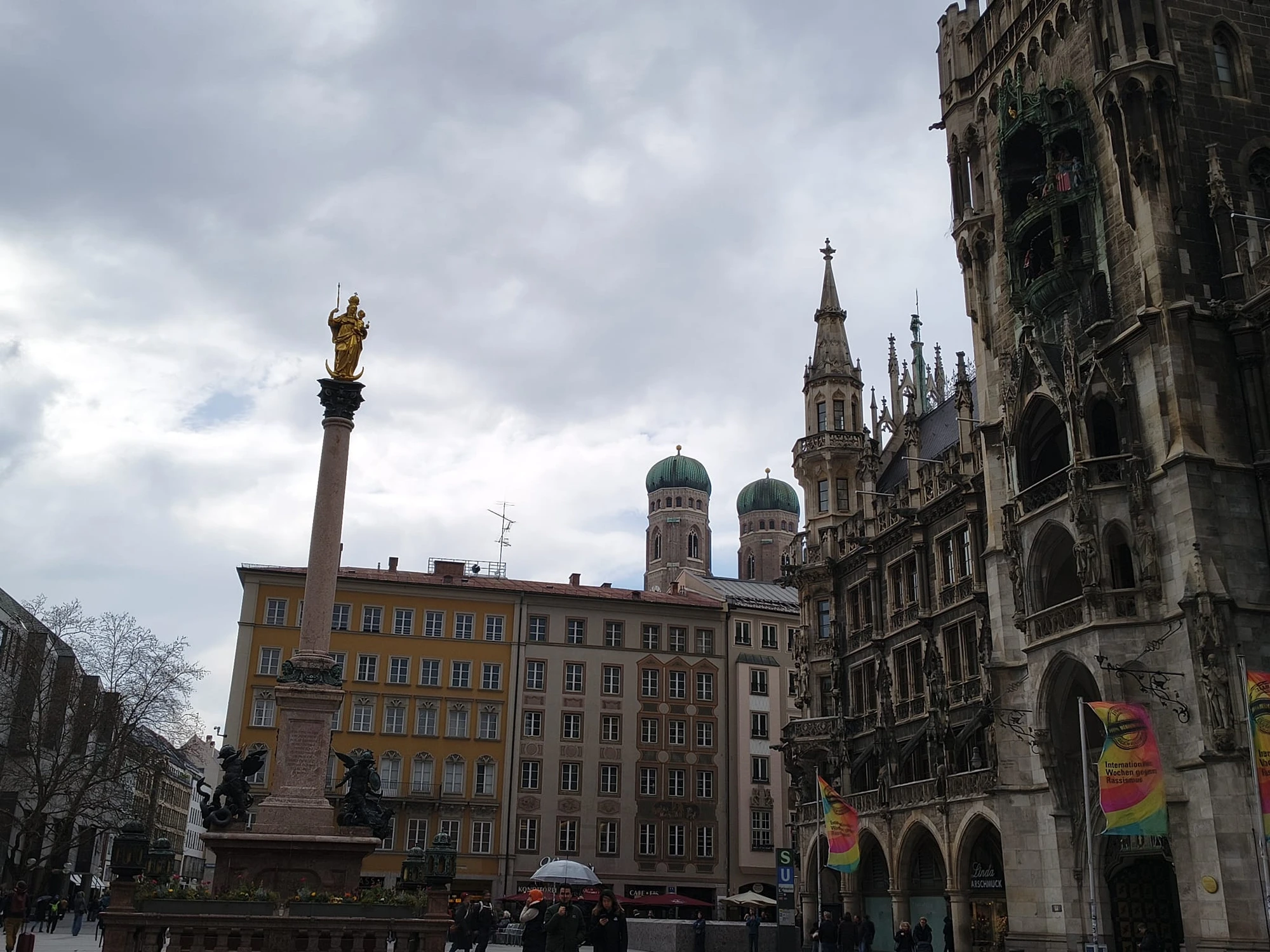
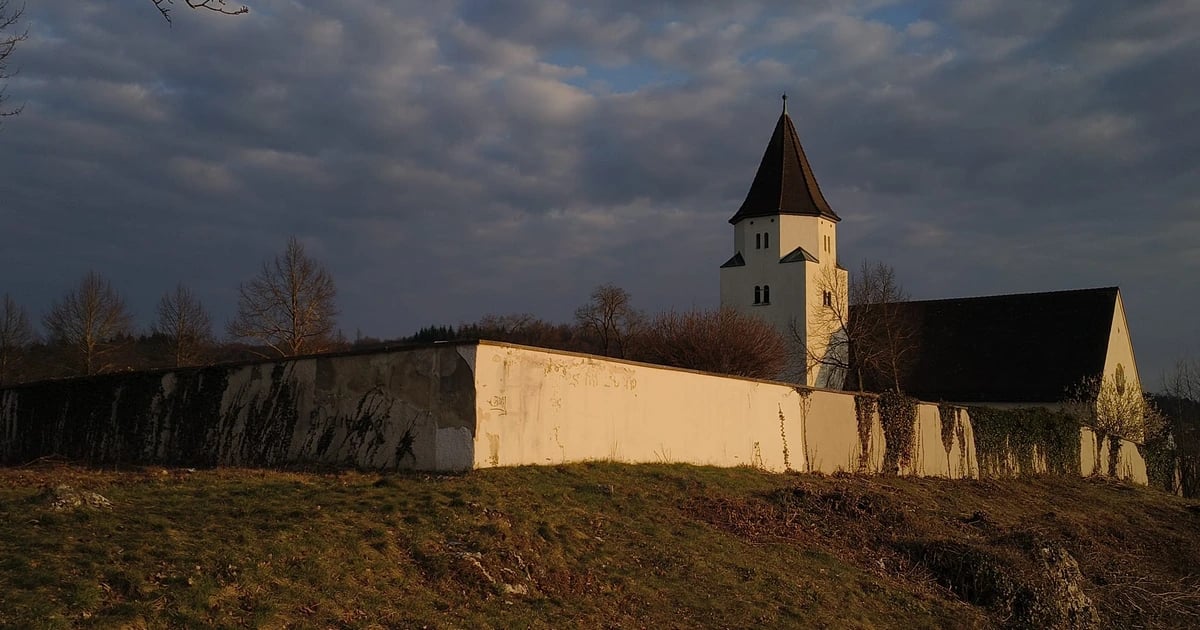
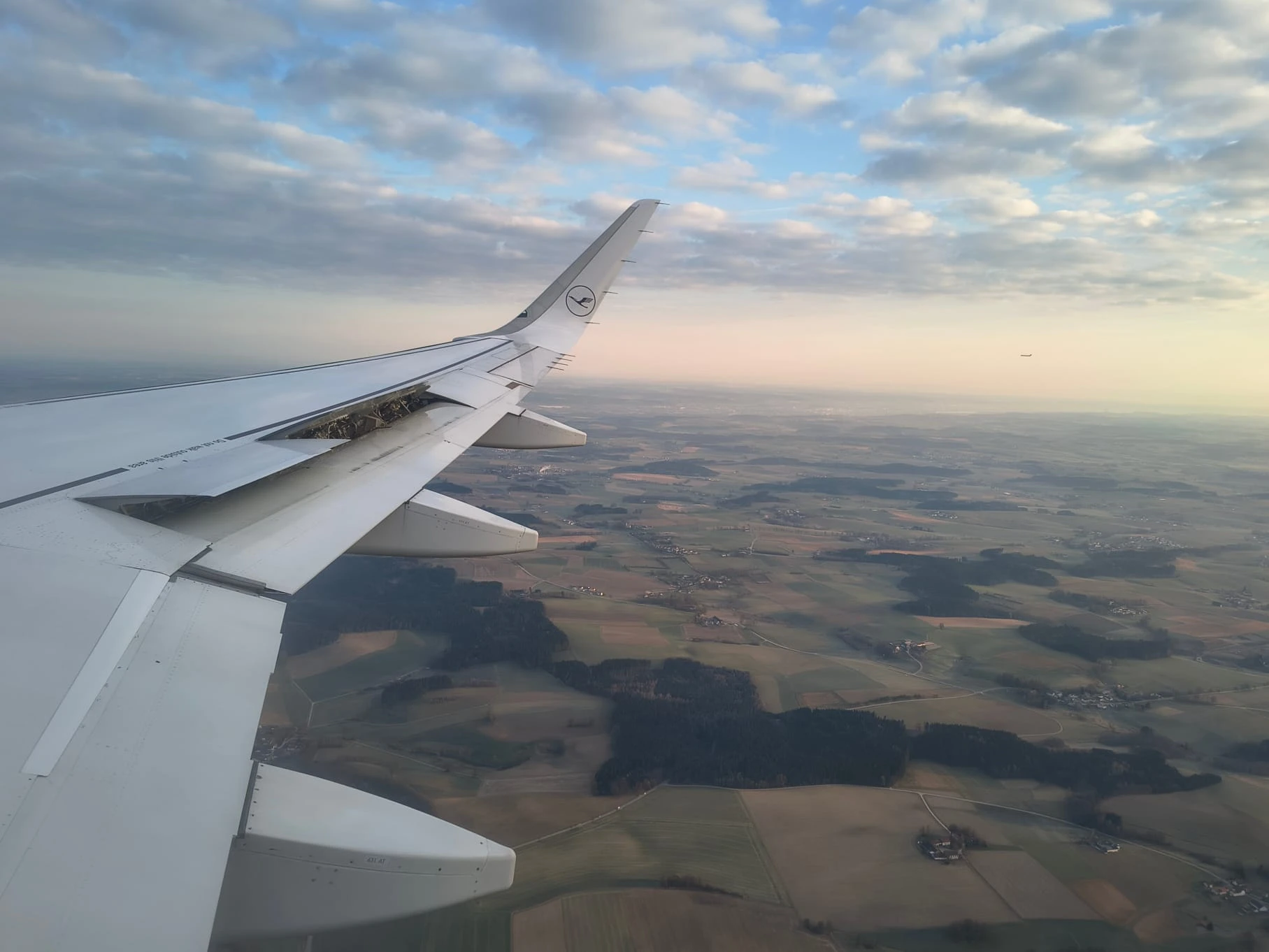
The journey itself was also an experience, as it was my first time flying. We flew to Munich and then travelled by train through Ulm before eventually reaching Heidenheim an der Brenz. While Munich was interesting because of its size and extensive public transport, Heidenheim became much more memorable to me because it was where we actually stayed and where I got to experience everyday life in Germany. I was also excited to spot some bird species that are common across Europe and even in Romania, but are way harder to spot in a city like Bucharest, including a European Greenfinch, a Common Chaffinch, and a Great Spotted Woodpecker. Even the weather turned out to be an experience of its own, changing from a slight chill to snow, without any warning.
Three Days of Sustainability and Democracy
Although the whole trip lasted 5 days, the actual Erasmus+ workshops took place over three days. The common themes of the project were sustainability and democracy, and every day we had a different set of activities. On our first day, after arriving in Heidenheim an der Brenz, we had some time to unpack, relax, and explore the city before meeting everyone at Stattgarten, where we had an evening activity focused on getting to know each other.
Day 1: Getting to know Heidenheim an der Brenz
On our first full day there, we stayed in Heideheim and visited their school. The classrooms felt familiar in some ways, but the school itself was very well equipped, with a cafeteria, many science laboratories, an art room with lots of supplies, and a music room full of different instruments. They even had a special projects room, designed for group work, with flexible tables and chairs, a bunch of whiteboards and digital boards as well, which we used to present our own schools. We were then divided into international groups for our first workshop.
Our task was to simulate a debate about whether a forest should be cut down to build a youth center. My group represented the town hall, while others played as activists or local business owners. We had to come up with arguments and reach a conclusion. We decided that part of the forest could be used for the youth center, as long as the project was designed to be sustainable and not damage the rest of the forest. Later that day, we explored the city through a scavenger hunt, this time in teams from each country, and we also visited Hellenstein Castle.
Day 2: Art and Sustainability in Munich
On the second day, we travelled back to Munich and started off with a visit to the Pinakothek der Moderne, which is one of the largest museums of contemporary art in Europe. After that, we had some free time to explore the city center, while also completing a task. We had to find and photograph symbols connected to peace, democracy, and sustainability. I ended up taking a picture of a huge bicycle garage, which caught my attention. My other discovery was a little less successful. I mistook St. Mary’s Column for the Angel of Peace. And while they are both connected to peace, I still got the democracy part wrong, as the statue that I found was commissioned by a king as an act of thanksgiving after Munich was spared during the Thirty Years’ War.
Later that day, we went to the BMW museum for another sustainability workshop. We worked in teams and took part in quizzes and games about recycling and sustainable materials. One activity involved matching materials with less polluting alternatives, such as plastic packing peanuts with ones made from corn syrup or starch.
Day Three: From 700 Steps to Digital Democracy
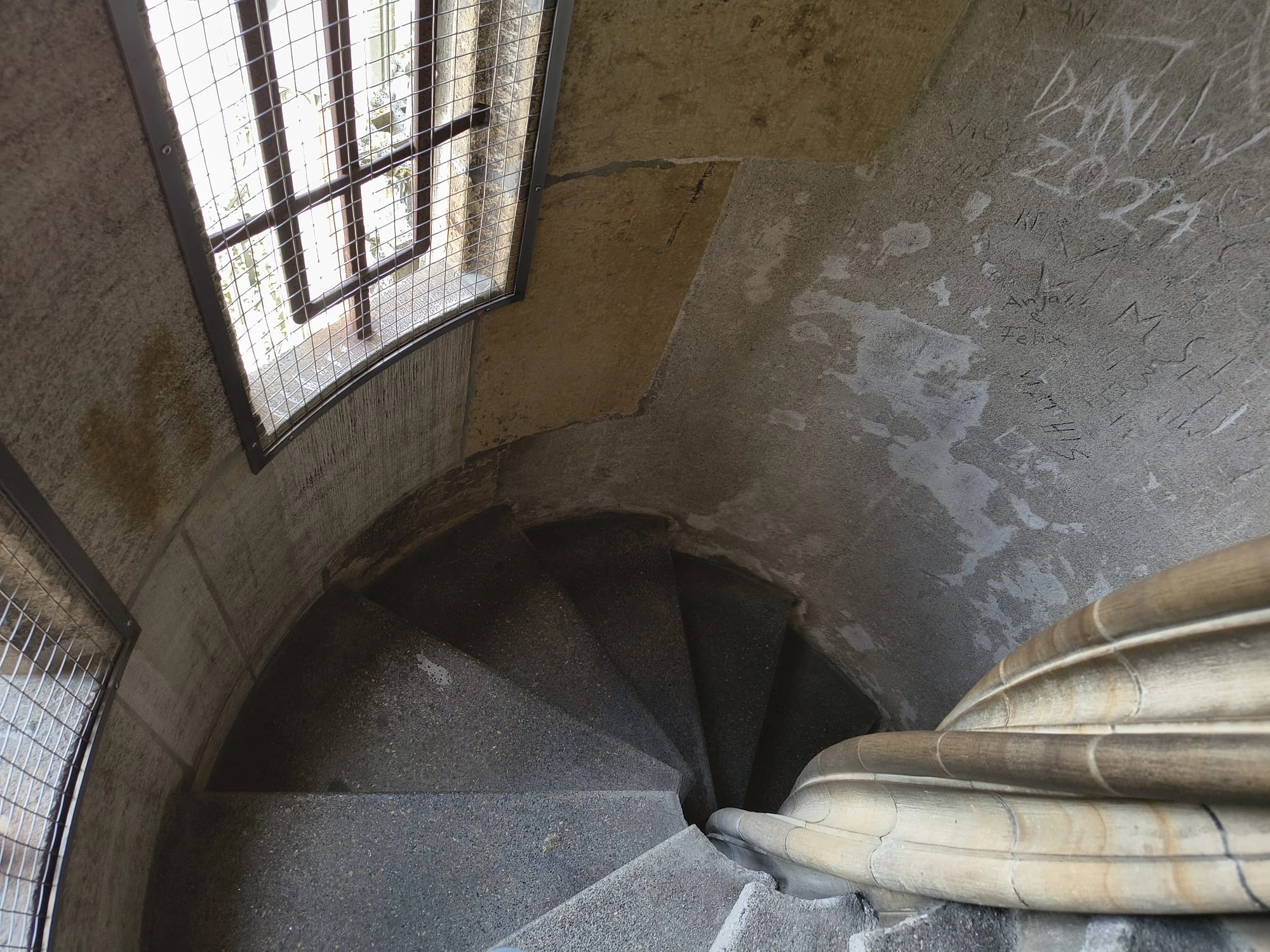
On the third day, we went to Ulm, and our first stop was at the Ulm Minster, where we had the opportunity to climb up 768 very narrow stairs and get to see a 360-degree view of the whole city. Sadly, I was the only one from my group who wanted to climb them. At some point, I was dealing with a combination of claustrophobia and fear of heights, especially since I was basically on my own. However, once I reached the top, the view made it worth it.
After that, we came back to Heidenheim and participated in a workshop about laws in the digital era. We interviewed Moritz Heuberger, a German politician, who had attended Hellenstein Gymnasium, the German school we collaborated with in this program. We talked about how different laws need to adapt to the digital world, especially since more and more of our lives move online, as well as the difficulty of regulating such spaces that are currently changing. One thing that stayed on my mind was how misinformation and generative AI could challenge democracy in the digital world.
We ended the day with a barbecue organized by the German students’ parents, held somewhere outside of Heidenheim, near a forest.
What I Took Away From Erasmus+
Meeting People and Experiencing Cultural Differences
The students from Germany, Latvia, and Greece were social and welcoming, which made it easy to get comfortable. The German students were especially generous, organizing a barbecue, showing us around, and even helping us get back to the hotel room afterward. Overall, they seemed to be very involved in all of their school’s projects. While staying there, I also noticed some funny cultural differences, like how seriously everyone took punctuality and the impressive number of different types of bread at breakfast. Another small adjustment was how early shops closed; as we stayed in a small town, most places were already shut down by 5 or 6 p.m.
Stepping Outside My Comfort Zone
This experience also pushed me outside of my comfort zone, as I find public speaking a bit challenging. Throughout the week, I had to introduce myself and present in front of multiple people, as well as work in international groups with students I had just met. I needed to communicate clearly and collaborate with people outside my usual circle. Of course, there were moments when I felt nervous, wanted some time to relax, or missed my parents, but overall I adapted quickly.
A week's worth of taking
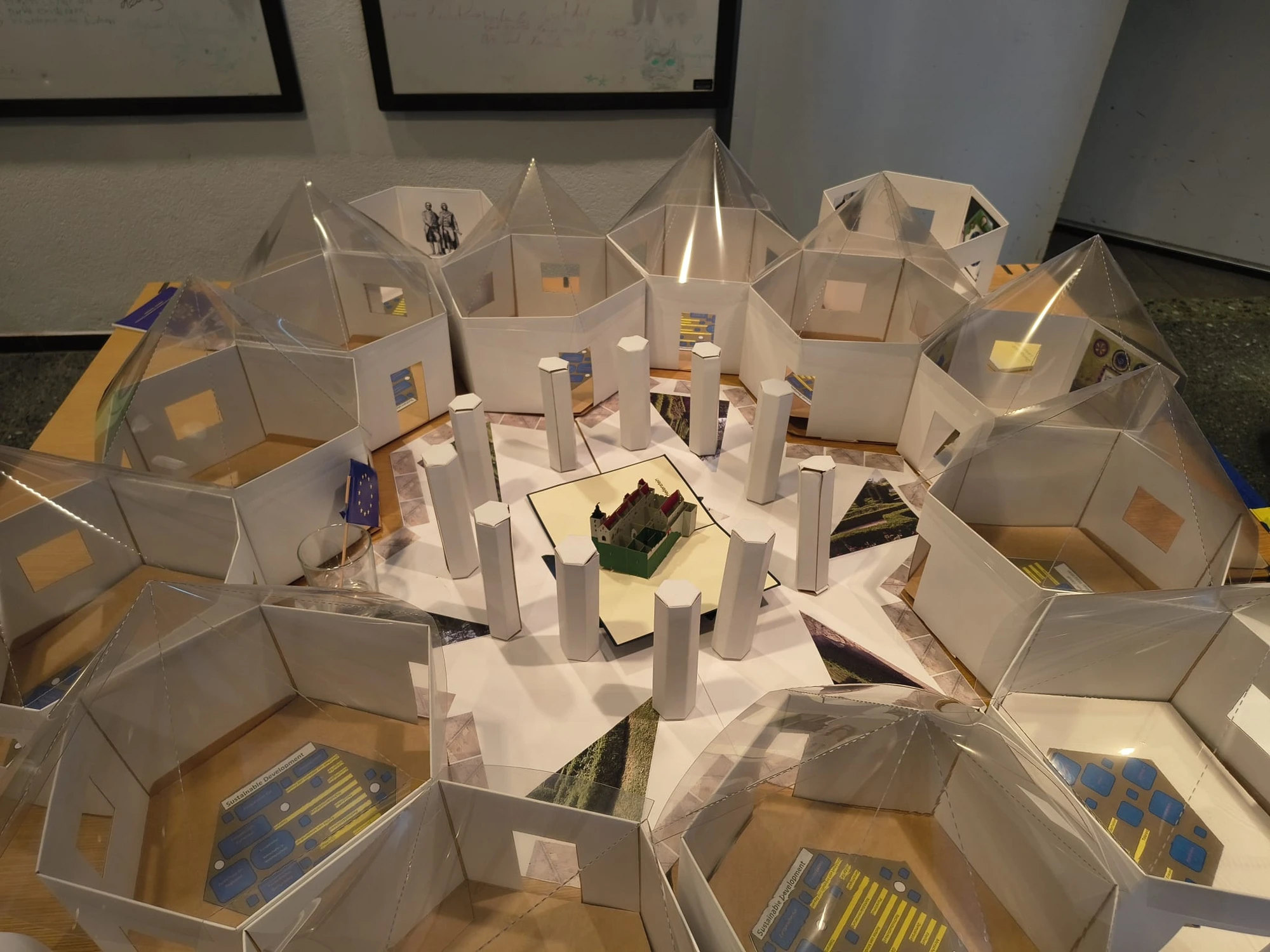
Looking back, I think this Erasmus+ program taught me to be more organized and more willing to take action. The workshops showed me that learning about issues involving sustainability and democracy matters, but putting that information into practice matters even more. In the end, if I could give one piece of advice to anyone considering joining an Erasmus+ project, it would be simple: go for it. Even if you have to catch up on a few classes once you’re back, the chance to travel, meet new people and see different perspectives is worth it.