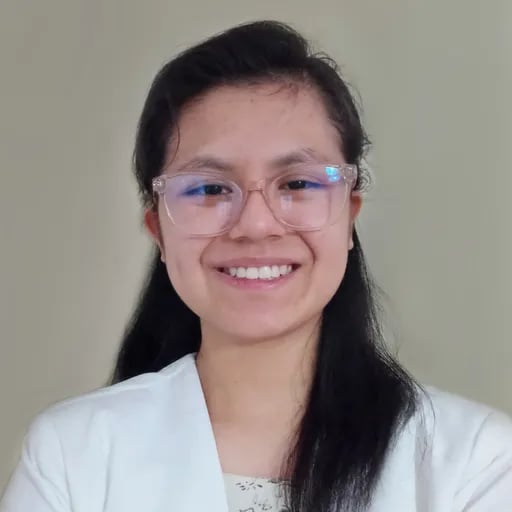
Dana Morales is a Peruvian student passionate about creating meaningful change in her community through leadership and social impact. She currently serves as the General Coordinator of Ekamente Neurociencia, a youth organization focused on promoting neuroscience and community engagement among young people.
She is also an alumna of the Latin American Leadership Academy (LALA), a program that brings together young leaders from across the region to develop leadership and social innovation skills. Additionally, she attended the UNESCO Center for Peace Summer Camp 2025, was selected as a Beca Cometa Camper, and was also a mentee at Enseña Perú, a leadership and educational equity organization that works to expand opportunities for students across the country.

Why the University of Notre Dame?
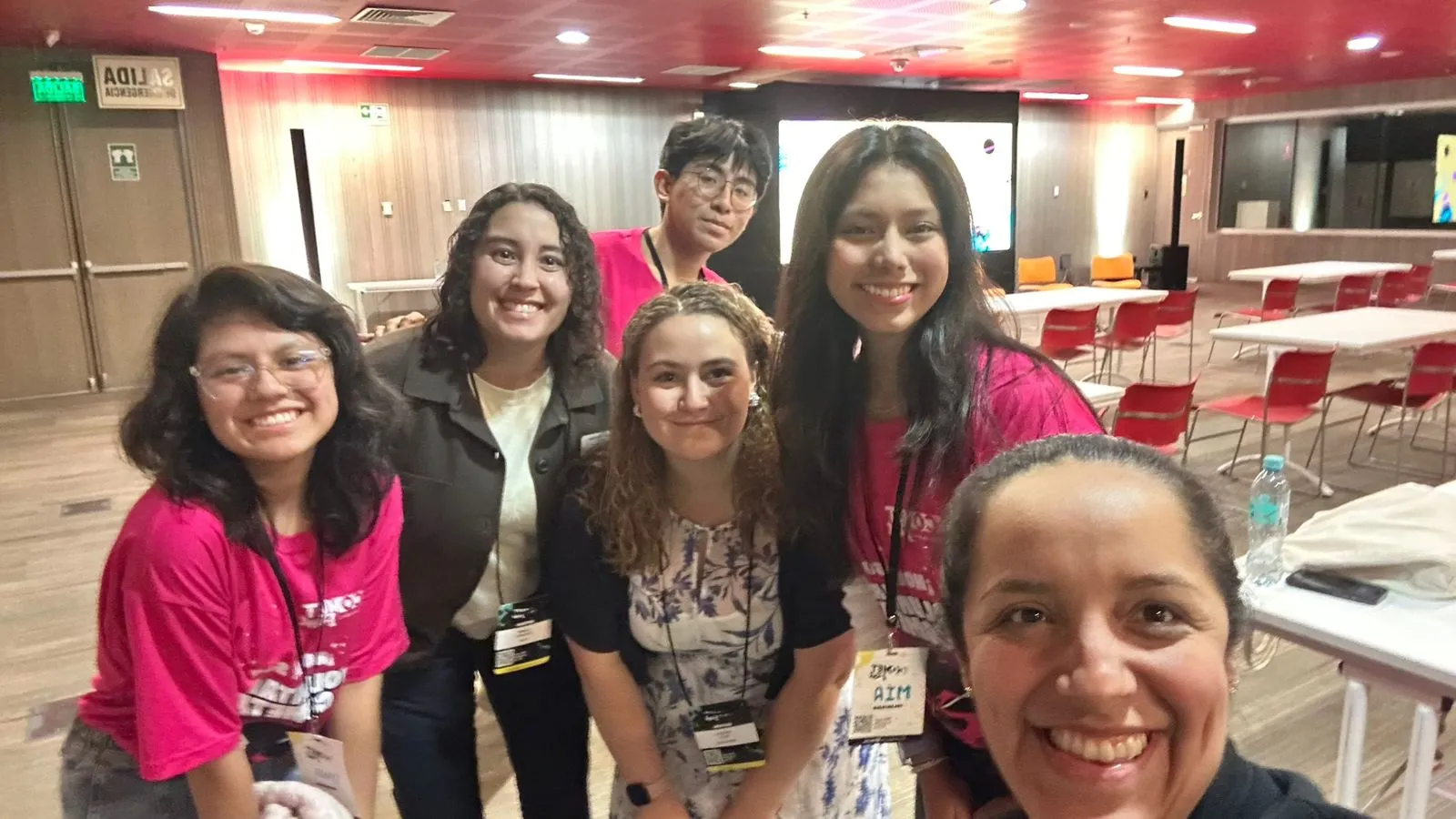
I first started considering the University of Notre Dame after meeting one of its admission officers at an event organized by Beca Cometa Camp. What began as a simple conversation about the university quickly became something much more personal.
She wasn’t just an admission officer; she was also a Notre Dame graduate.
She shared her experience studying there, the exchange programs she participated in, and most importantly, the sense of community she built on campus. That idea of belonging resonated with me. I even remember bonding over a musical I loved, only to discover that one of its graduates was also from Notre Dame. There were too many unexpected connections to ignore.
There were also strategic factors. Notre Dame was test-optional, which mattered to me because my highest SAT score was 1370. While that score wasn’t competitive for many Top 20 universities, Notre Dame still represented academic excellence and opportunity.
I applied Early Action, feeling that I wasn’t just applying to a prestigious institution—I was applying to a community I already felt connected to.

Essays & Personal Statement: Growing Up Outside the Capital
For many students from provinces in Peru, our stories begin in a context very different from Lima, the capital. Growing up outside the country’s center often means fewer academic opportunities, limited access to mentorship, and structural inequality.
That became the heart of my personal statement.
I wrote about growing up in a community full of potential but not necessarily driven toward transformation. I reflected on how, despite systemic limitations, I sought national and international opportunities that expanded my worldview.
Programs where I received mentorship. Spaces where I developed leadership. Moments that challenged what I believed was possible for myself and my city.
Every opportunity I received, I tried to multiply. If I learned something, I shared it. If I developed a skill, I taught it. My growth was never separate from my community.
I closed my essay by connecting that journey to my decision to apply for Beca Cometa to study abroad. Leaving wasn’t about escape, it was about preparation. Preparation to return with tools to create change.
More than highlighting obstacles, my essay centered on identity, culture, resilience, and purpose.
Supplemental Essays
One of Notre Dame’s supplemental prompts asked:
“What is the best compliment you have ever received?”
Instead of choosing something academic or achievement-based, I shared something personal: multiple times in my life, even from people I had spoken to for less than 30 minutes, I was told that I make others feel safe and trusted.
That detail may seem small, but it speaks volumes. Trust is not listed on a résumé, yet it is essential for leadership, mentorship, and community building.
With my supplementals, my goal was simple: don’t repeat your résumé. Reveal your humanity. Share uncommon anecdotes that represent who you truly are.
Universities aren’t just admitting grades. They’re admitting people.

Extracurricular Activities: Evolution Over Accumulation
I was part of a scholarship program at my school that didn’t directly hand me opportunities, but gave me access to information about them. That made all the difference.
I began building my résumé in 7th or 8th grade (second year of high school). My early involvement included small national programs like the Model United Nations. At the time, my main goal wasn’t college applications. It was improving my public speaking skills and gaining confidence.
That growth led me to apply to an international Summer Camp offering MUN. There, I met the director of the program in Peru, who later financially supported my participation.
What mattered most wasn’t just participation; it was evolution: I started as a delegate, then became a facilitator.
The same ecosystem appeared multiple times on my résumé, but each time in a new role. That progression told a story of growth.
Similarly:
- At Latin American Leadership Academy (LALA), I began as a Scholar and later became a Coach.
- In my school scholarship program, I started as a beneficiary and later mentored new scholars.
- I participated in a mental health-focused organization, where I eventually held a leadership role.
My advice: if you include an activity, show commitment. Go deeper. Assume responsibility. Universities value impact and evolution far more than volume.

Connecting Extracurriculars to My Major
Depending on the university, alignment can be strategic. For example, at the University of Pennsylvania, especially the Wharton School, your profile must strongly align with your intended major.
Other institutions allow you to apply undecided and declare later.
At Notre Dame, that flexibility exists. However, I applied directly as a Psychology & Neuroscience major.
In the 250-word “Why this major?” essay, I connected my academic interests to my mission: addressing mental health stigma in Latin America.
That narrative was supported by:
- My leadership in LALA
- My personal statement about community growth
- My mental health volunteering
- My mentorship roles
Everything told the same story from different angles. And importantly: you do not need to found an organization to be admitted. I didn’t, and I was accepted Early Action.

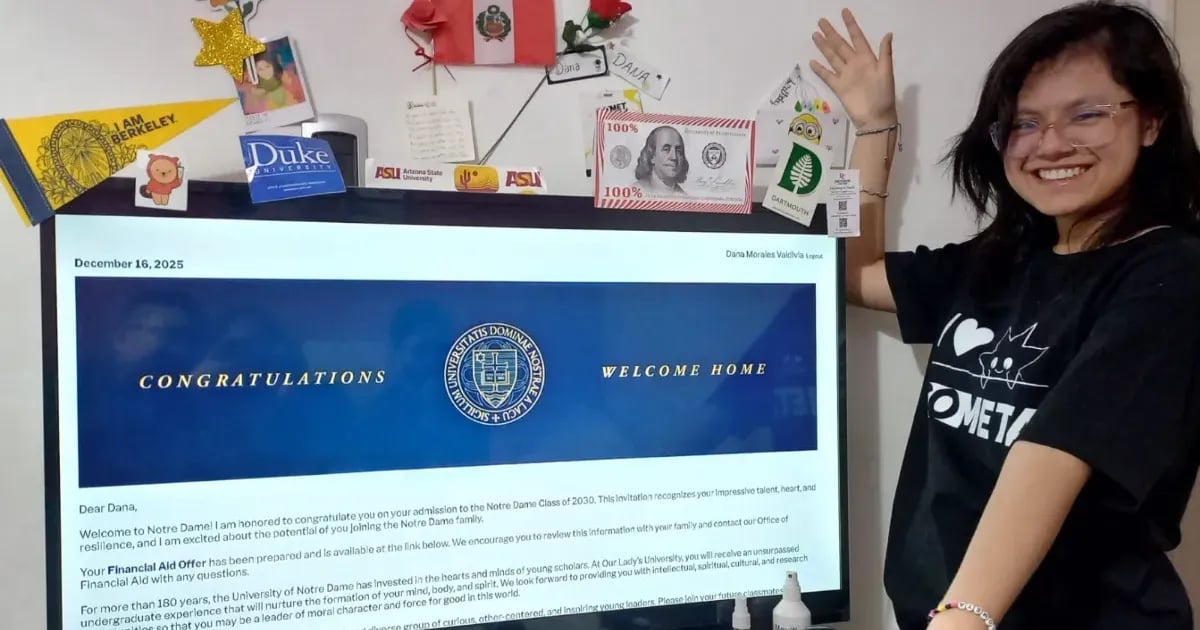
The Moment: “Congratulations. Welcome Home.”
Notre Dame traditionally releases decisions at 6:42 PM—a symbolic nod to its founding year, 1842. On December 16, I was ready at exactly that time. And then… nothing. No email.
My mom and I tried distracting ourselves with a movie, though I couldn’t focus on a single scene. My mind was somewhere else entirely. I told myself I would open the portal at 6:50 PM, just to feel some sense of control. And right then, the email arrived: “There is a new update in your portal.”
Logging in felt harder than writing the essays. I was afraid that the result would appear the moment I typed my password, as if I wouldn’t have time to emotionally prepare. (For future applicants: you actually have to click the update. It doesn’t appear automatically.
I clicked.
A few seconds passed, though they felt infinite.
Then I saw it:
“Congratulations. Welcome home!”
My mom and I immediately burst into tears. We called everyone. In that moment, it wasn’t just an acceptance. It was the release of months of tension, self-doubt, overthinking essays, and wondering if I had communicated my story clearly enough. Seeing those words meant the process had been worth it. The dream of studying abroad was no longer abstract. It was real.

Preparing for What Comes Next
I am currently applying for my F-1 student visa, which requires demonstrating financial support for the first year. This includes submitting the university’s financial aid letter and, if needed, a bank statement to cover remaining costs.
I’m also seeking funding to attend Notre Dame’s admitted students event in April, a two-day campus immersion experience. It’s an opportunity to connect with future classmates, adapt early, and yes, receive the Class of 2030 shirt.
Academically, I feel confident after completing a research program from December to February. Still, I plan to independently strengthen my foundations in psychology and neuroscience—exploring clinical, biological, forensic, and scientific dimensions of the field.
If You’re Considering Notre Dame
If you’re thinking about applying to the University of Notre Dame but feel hesitant because it’s a Catholic university, I want to share something I’ve come to understand: you are not required to be religious, nor are you forced into practices that don’t align with your beliefs. There are students of various faiths, and none at all, who are fully part of the community. What the university truly emphasizes is introspection: understanding why you are there and what kind of person you want to become.
Beyond that, I believe the most important question is not about prestige, it’s about fit. Some universities cultivate competitiveness as their main motivator. Notre Dame, from what I’ve experienced, prioritizes support. It is rigorous, yes, but community-oriented. Students challenge themselves academically while uplifting one another.
That is where I found alignment.
My story, growing up outside the capital, wanting to address mental health stigma in Latin America, choosing Psychology & Neuroscience as a pathway for change, matched a university that values purpose and formation beyond academics.
So if you are considering applying, don’t only ask, “Can I get in?”
Ask yourself, “Do I belong there?”
Because when your story aligns with a university’s values, your application stops being a performance and starts becoming a reflection of who you truly are.
A Note for Peruvian Students: Consider Beca Cometa
If you are a high school student in Peru and dream of studying abroad, I highly recommend looking into Beca Cometa. It is a comprehensive support program designed specifically to guide Peruvian students through the university application process abroad.
The program usually opens its call for applications in May each year, so staying informed is key. If you’re interested, make sure to follow their updates and prepare. Opportunities like this can truly transform your path!