
Introduction and Background
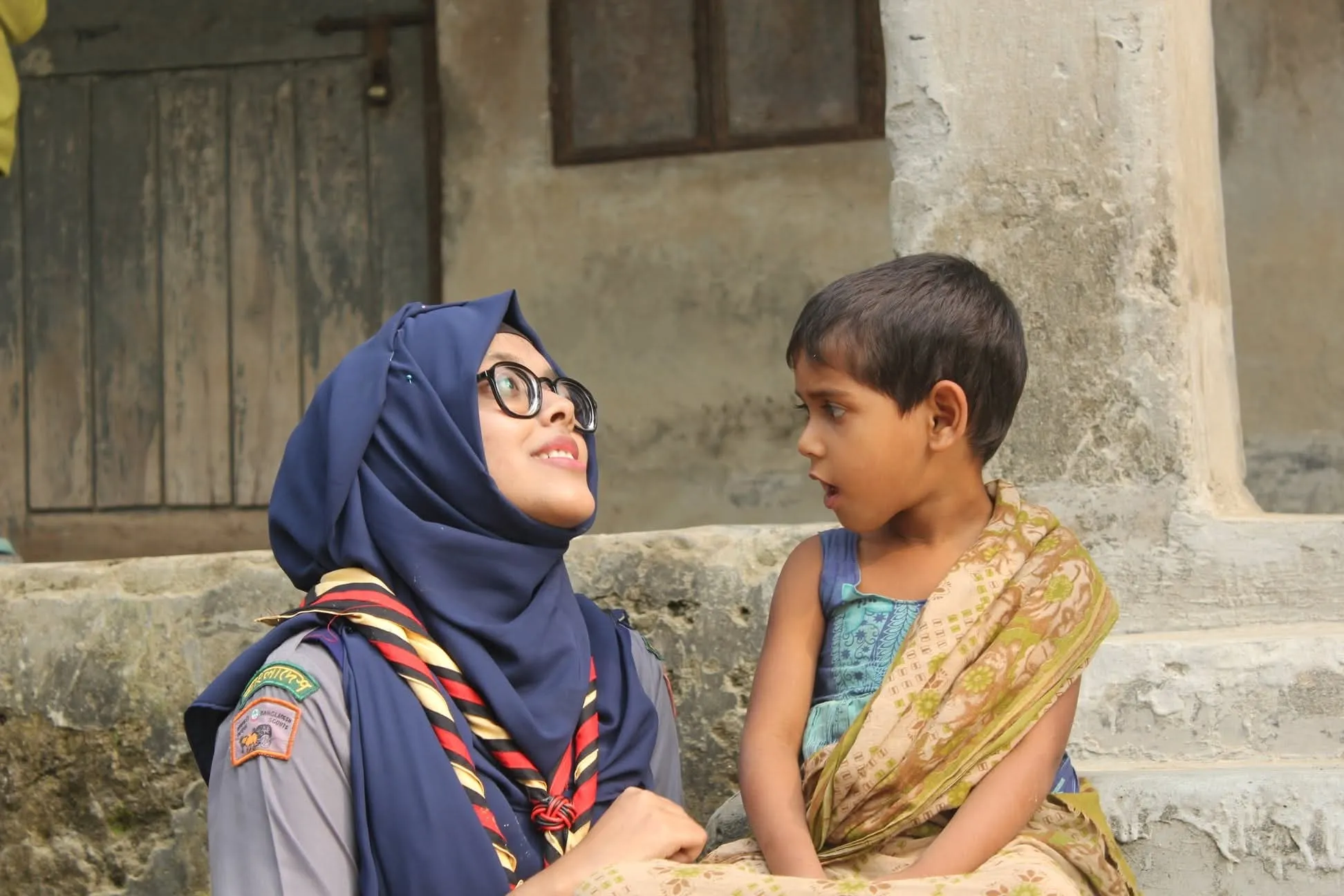
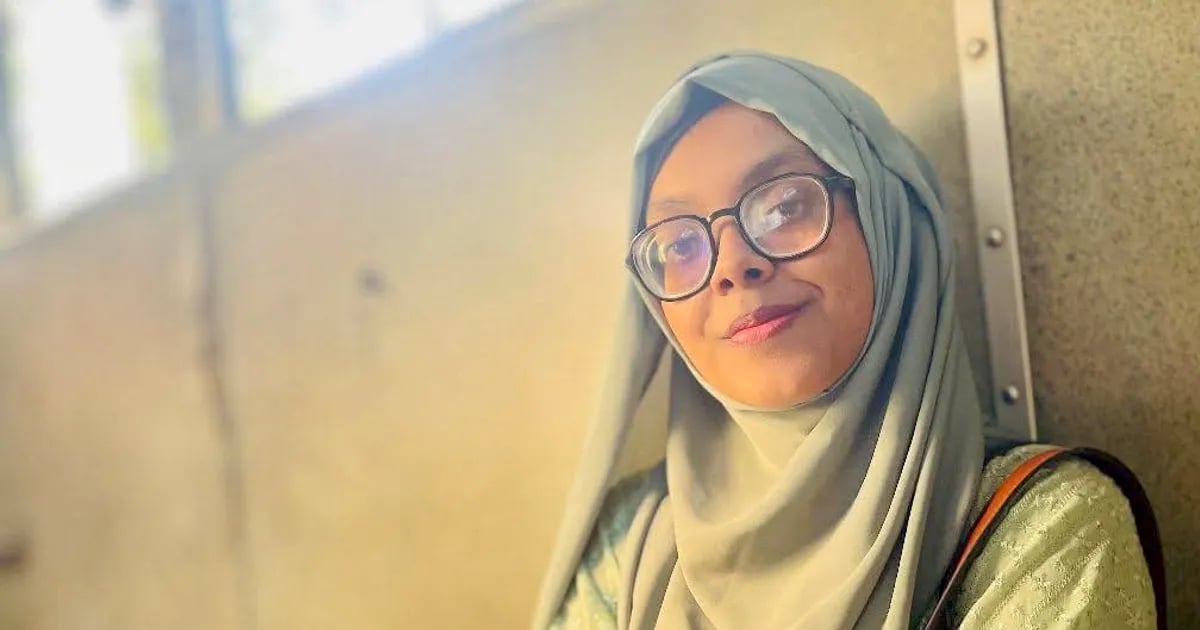
I am Samiha Tasnim Era from Bera, a village in Pabna, Bangladesh. I was born and raised here and spent exactly twenty years of my life within this familiar environment. My exposure beyond Pabna was limited to occasional visits to relatives once or twice a year. I chose to spend my two intentional gap years here as well, continuing to grow and work within the same community that shaped me.

Academics and Stats
Before starting formal schooling, I learned to memorise daily duas and studied the Quran. I attended the nearest local school and consistently ranked at the top of my class. In fifth grade, I ranked first in the district and received a computer as an award, which became a turning point in my academic journey. Throughout PSC, JSC, and SSC examinations(Board exams for the Bangladeshi National Curriculum), I secured grade A+(GPA 5.0) along with government scholarships. Later, I was recognized as the Best Student of the District in Grade 11. Then I moved to Shaheed Bulbul Government College, and I completed my Higher Secondary Certificate (HSC) with grade A(GPA<5.0) in 2023. I grew up in an environment where studying abroad never existed. There was no exposure to standardized testing culture, such as the SAT, and international applications were not part of our academic tradition. As a result, my early academic journey was shaped more by local curriculum performance and independent learning rather than preparation for global admissions systems.
You Will Figure It Out
I did not grow up familiar with terms like “extracurricular activities,” “honors,” SAT, or AP courses. In my academic environment, life beyond textbooks was restricted, and international pathways were never discussed. My journey was not structured around curated achievements or strategic portfolio building. In fact, my path was far from linear. In class five, I wanted to be an artist. Later, I imagined becoming a businesswoman, a journalist, or even a primary school teacher. None of these identities fully stayed - yet each phase shaped me. Through them, I developed skills in various forms of art, built a handmade craft shop, published books, and formed the discipline of writing daily diaries regardless of how tired I was. I have seen audiences close their eyes and feel deeply during my poetry recitations. I have studied alongside my younger cousins and nephews, teaching while learning myself. Over time, this evolving journey led to more than 50 awards from the Government of Bangladesh and international competitions in 6 years.
Gap Years
My 2 gap years were completely intentional. After completing high school, I did not sit for any university admission tests in Bangladesh. Even in high school, I avoided the coaching system that dominates the academic culture here. Instead, I relied on self-study, including free online resources. At that time, studying abroad was not in my plan. I believe education is more about becoming gentle and contributing to the earth. I already had ideas I wanted to explore. Leaving them behind to follow a purely traditional path did not make sense to me. Of course, there were moments of uncertainty. There was quite a pressure around my family. In many South Asian communities, especially for girls, stepping outside the conventional path invites questions. Some people doubted my decisions. Some comments were subtle, some direct. At times, I could sense the helplessness in my parents’ eyes - not because they did not believe in me, but because they had to respond to society on my behalf. That was perhaps the most difficult part - not the academic delay itself, but the social narrative attached to it. I managed that uncertainty by healthily isolating myself. I avoided those friends who constantly made me feel like I was behind because of my gap year, and those relatives who taunted my parents for my decisions.
Extracurriculars
I was not familiar with the term “extracurricular activities,” but I had been doing those activities naturally since primary school. Whether it was debating, writing, organizing small initiatives, or building projects, I never labeled them as ECAs - they were simply things I cared about. But some extracurriculars include doing research and publishing it, starting a social organisation for my community. I never did these things for college applications, and I didn’t even plan on going abroad; I just happened to do these things because I cared about them and wanted to learn.
Something for the Community
In 2017, I started an organization that I describe as a grassroots research initiative. I am the sole person working on it. I formally structured and named it in 2025 as ‘ESHAleben Powerpods’. ESHAleben is for my people and the people similar to us. The first project under ESHAleben originated from a deeply personal realisation about menstrual stigma in my community. In 2017, I developed a sanitary napkin prototype using locally available Bengali materials and designed a low-cost vending machine model. At that time, public discussion of menstruation was heavily stigmatised. Yet I stood on the stage of a science fair, holding the product in my hand, and spoke openly about it. The project later led the government to initiate a testing process. Due to administrative changes, the process paused, but the project itself did not disappear. It continues to evolve. Currently, I am exploring alternative fibres such as pineapple and jackfruit fibres to make the solution more sustainable and locally adaptable. Over time, ESHAleben expanded into four thematic sectors: soil, energy, health, and aqua. Each project I develop is organised under these categories. My work is self-driven. I have never had a formal mentor for these projects, and most of my learning began with the computer I received as an award in fifth grade. Every project I started came from a deep self-realisation rooted in the realities around me. I relied heavily on self-learning, online resources, experimentation, and field observation. While I have participated in fellowships and seminars to gain exposure and insight, maintaining research, networking, and public visibility is challenging on its own. I consciously chose to prioritise the quality of the work over publicity. Progress may be slower when working independently, but it remains intentional and deeply rooted in lived realities.

Research Journey
I didn’t begin my research journey by formally reaching out to professors to co-author papers. It started much more simply. A cousin once asked me to help draft something. A senior needed assistance collecting or organising data. I just enjoyed helping. At that time, I wasn’t thinking about publications at all. As a debater, I was already used to digging through data, reading reports, and building arguments from evidence. That habit naturally translated into research support. I began assisting seniors with background research, literature searches, formatting, and data organization - the usual senior, junior, and cousin collaborations. Much of what I know about research, I learned independently through online resources and by working on my own papers. The internet has immense learning opportunities if we know how to use it intentionally. Step by step, I developed confidence in structuring arguments, refining methodology, and responding to feedback. I believe doing research solely to add a publication line can be risky if there is no genuine curiosity behind it. Publishing itself is not wrong - but forcing research without authentic interest often leads to superficial work. In my experience, the most meaningful projects emerged when I was already deeply engaged in exploring a question independently. For juniors who want to improve their research skills, I would suggest starting small. Assist someone. Learn citation styles properly. Read papers not only for their results, but for their structure and reasoning. Practice writing clearly. Research is less about sudden brilliance and more about discipline, clarity, and intellectual honesty.
Colleges Applied To
Williams College – Accepted (Early Decision 1) Williams was the only institution I applied to in this cycle. I applied through Early Decision and did not submit applications elsewhere. I’m genuinely very excited about the liberal arts college model and the close-knit community it offers. I like the idea of smaller classes, more discussion, and actually knowing the people around me instead of feeling lost in a crowd. Although Williams is widely known for political science and economics, I personally found the environmental side more attractive - especially because of its location. The mountains, rivers, and overall setting feel meaningful to me. The kind of projects I’m already working on can grow in a completely new direction in that environment. For me, it just felt right.

Application Materials
For the written part, I submitted my Commonwealth Queen’s Essay along with a research background piece based on one of my papers. My writing was reflective but grounded in my real experiences. I sent 2 published research papers, too. I also submitted three portfolios — one focused on research, one on art, and another on my projects. I did not create them specifically for Williams. They were organized records of the work I had already been doing over time. Williams does not require a supplemental essay, and these are completely optional, but it is better to send them so that AOs can have more information about you.
Financial Aid
My financial aid package has zero deficit. It covers tuition, housing, health insurance, travel support, including two funded trips per year, and a round-trip to my home country, pocket money, summer storage, and other essential expenses.
Final Words
I see this pressure everywhere to make the “perfect” application. Honestly, stay away from that. Don’t even add sugar to your story. You don’t have to be extraordinary. Just keep it real. Your story matters more than anything. You just have to believe in your own story first. If you believe it, others will feel it too.