
My background
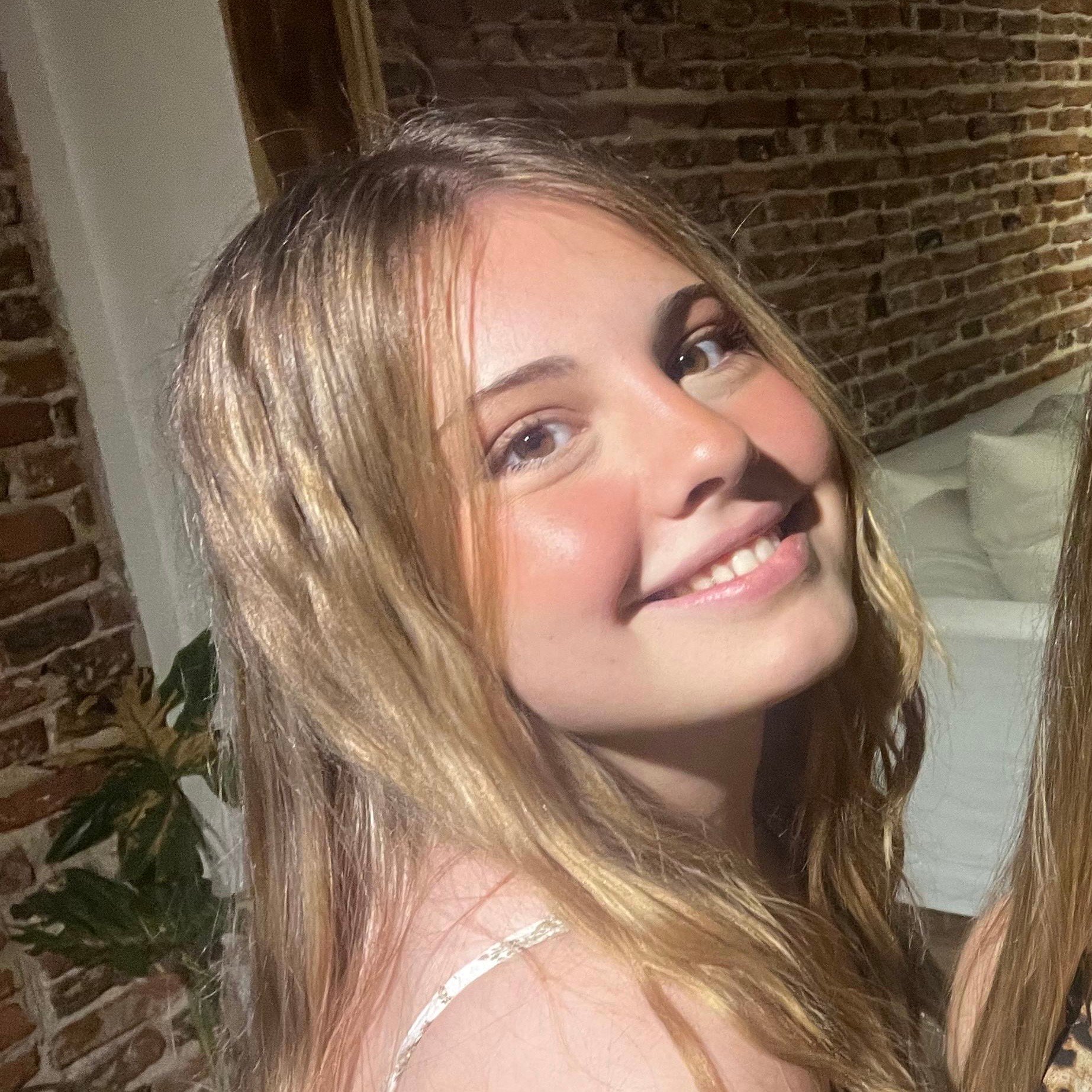
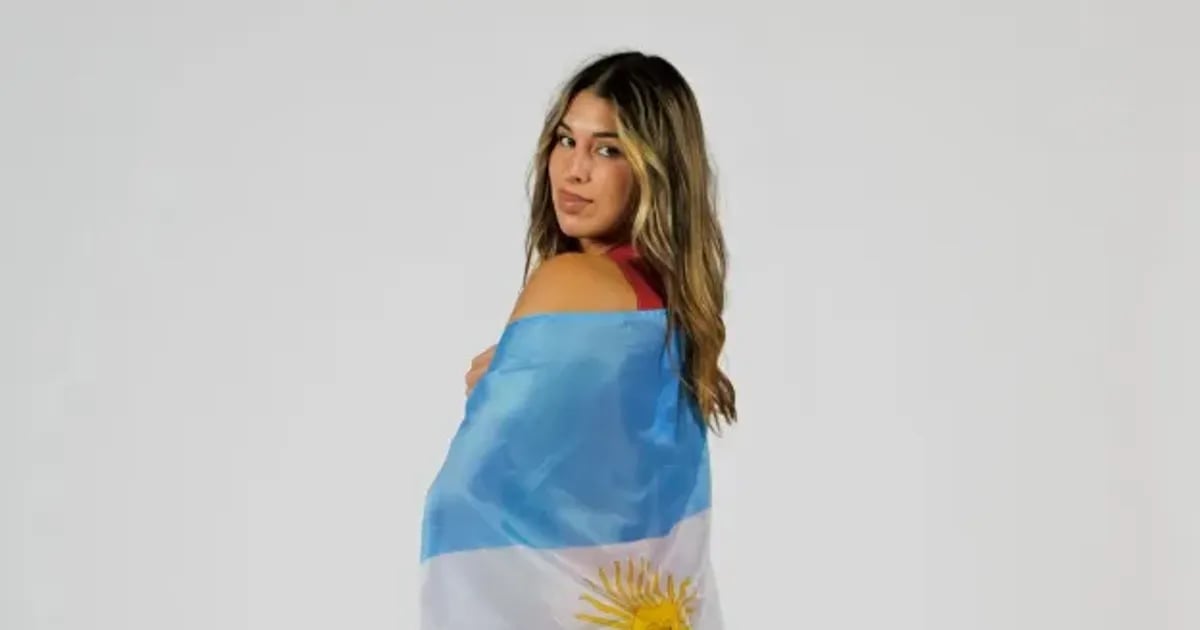
My name is Julieta, and I’m from a small town in the center of Buenos Aires, Argentina’s capital, called La Plata. The school I attended was a small, private Catholic high school located in the most rural area of the city, with a focus on social sciences, called Inmaculada. There, I was able to develop my love for volleyball, a sport I had enjoyed playing since early childhood, and I was fortunate to receive the school’s support to pursue this passion beyond the classroom. I played for Las Lobas, competing in the national tournament—the most important volleyball competition in Argentina. Coaches from Chicago State University were able to view these matches, as many of them follow South American leagues to recruit players. They were seeking an athlete in my position and contacted me to offer the opportunity to study abroad.

Why did I decide to study abroad?
Before going straight to Chicago State University, I had started a semester in a public university back home, but that resulted in multiple inconveniences, because being an athlete and studying in Argentina don’t go hand in hand. Classes don’t have flexible schedules. If you have training, classes have to be at night, which didn’t work for me. I also had problems with professors who didn’t understand when I had tournaments and weren't familiar with the rigorous schedule a professional athletic career requires. If I missed a few days of class because of training, I would immediately fail the class and have to retake it the following semester.
In contrast, collegiate sports in the United States are highly professionalized and designed to integrate athletics with academics. I was not choosing between studying and competing; rather, I could pursue both simultaneously. Learning that I could earn a degree in Business Administration while continuing to play volleyball made studying abroad feel like the ideal opportunity.
My scores
I took the TOEFL from Argentina. Because of COVID, it was done online, and I got 76 out of 100. I passed, but English wasn’t my strong suit. My GPA in high school was around 3.6 out of 4.0. Also, because it was 2020 and I was a recruited athlete, I didn't submit my SAT score, and I went test-optional.
For my essay, I was asked whether COVID had changed people’s lifestyles. I wrote a one-page response without much effort, as I had been told it was not necessary to invest heavily in it. Shortly afterward, I was accepted and received an email confirming my admission.
The scholarship and housing
I was lucky enough to receive a full scholarship that covered everything: classes, books, and materials, as well as training clothes, shoes, knee pads, socks—everything, even winter hats for the cold. They also provided me with a computer for classes that I could keep throughout my degree.
When there were no classes, we were not required to be on campus, but all meals were provided: breakfast, lunch, and dinner. Once classes started, instead of providing food, they gave us money so we could choose what to eat. The same applied to housing. If you lived on campus, you ate at the cafeteria. I never lived on campus; I lived in an apartment, and they gave me the money equivalent of the scholarship instead.
Outside the classroom
I arrived before classes had started because it was preseason, so we trained twice a day, which helped keep my mind busy. At night, however, it was hard to sleep because I kept thinking, "What did I do?" It was the first time I had been so far from home for such a long period. I didn't know anyone—my teammates were new, my coaches too, and they didn't speak my language. I couldn't communicate well or express myself clearly.
At the beginning, I wasn't used to going out alone to get coffee, and it felt isolating not having someone to do it with. I would ask my teammates if they wanted to go out, but they were often busy studying. So, I decided to start going out alone. If the weather was nice, I would go to the beach, relax, or drink mate by myself. I started organizing my schedule, getting to know the city, and visiting new places. I went to museums and explored on my own. I became more independent.
Classes in the U.S. were less demanding, so studying just a few hours was enough, and the rest of the day was free. Also, you learn in practice; classes are more hands-on and practical rather than just reading and memorizing. They teach you to grow and think differently.

Connecting in a different language
Making friends and socializing was easy because I was on a sports team, and we spent many hours together. We often did assignments and homework together around training sessions. At the beginning, connecting culturally was tough. Friendships felt much more structured than in Argentina. I was used to more spontaneous plans, but in the States, if you wanted to meet up, you had to plan it weeks in advance.
I also lived with a Colombian, a Turkish woman, and a Korean woman, all international students. We accompanied each other while doing everyday things. There weren’t big plans, but we shared daily errands, and knowing they were going through the same experience—and the same homesickness—helped a lot, which made the adaptation process easier.

After graduation
Once I get my diploma, I was thinking of continuing to play volleyball. I think it's an experience worth living—playing professionally in another country. I had in mind trying Peru or Brazil, which are leagues close to Argentina, so I can be closer to home. Ideally, I'd like to find a remote job, because I won't be in one place for more than six to eight months. I want to build my professional experience while playing volleyball, and then see if that's what I want to do long term. If it is, I'll look into going to Europe or other places to continue playing and working professionally.
Advice for international students
I think the most important thing for any student who is thinking of studying abroad is to research and contact as many people as possible. It’s important to start looking into universities. And if you practice a sport, watch out for important tournaments and work as hard as you can, because it’s an incredible experience.
Not only academically, but you also grow as a person—cooking, living alone, doing adult things that you maybe didn’t do before.
Also, send emails! It may not seem like it, but people actually read them. That way, you can connect with someone kind who helps you and puts you in touch with others. There are many scholarship opportunities—maybe not full ones, but for classes, materials, or transportation.
I would say the biggest advice of all would be to simply apply; you lose nothing by trying