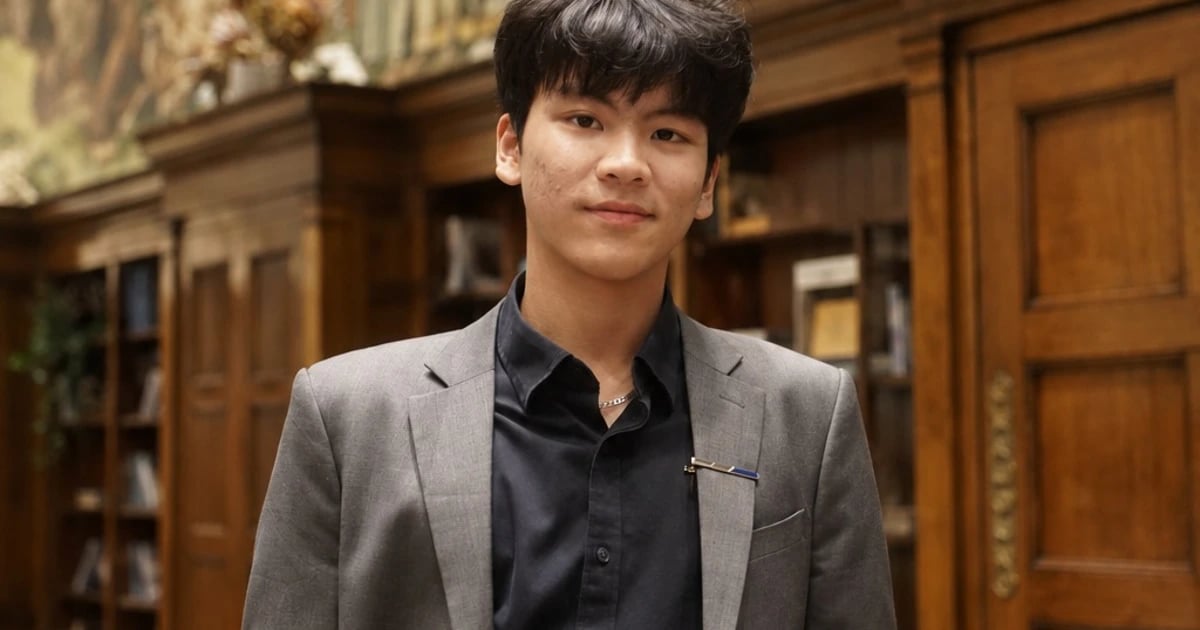
I’m Harry Vu, a Vietnamese student attending the University of Sydney on a full-tuition scholarship. I’m majoring in Marketing and Management in a Bachelor of Commerce.
Why Sydney?
When I first started thinking about studying abroad, I considered a lot of countries. Australia, the United States, and a few European countries were at the top of my list. I wanted a country that was mostly English-speaking, so that narrowed it down a lot. I also wanted somewhere that would let me build on my existing strengths and have a lot of opportunities for international students, especially in networking. Another requirement I had was also good career opportunities that would allow me to stay and build a career after graduation, while also being financially realistic. The United States was attractive academically, but it’s a lot further away from home, and it’s also expensive. Overall, it didn’t feel like an environment that I wanted long-term. Australia, on the other hand, satisfied more of my criteria. Sydney especially appealed to me because of the amount of professional opportunities and business connections. The people here are also very welcoming, and it’s an environment where everyone wants you to grow better. The diversity of Sydney is very much appreciated, and most people here are very receptive to new cultures, which definitely helped me feel more welcome here.
When I went through the application process, I applied to multiple schools in Australia. A notable few are the University of Melbourne, the University of Queensland, the University of Sydney, Deakin University, and many others among Australia’s top institutions. I got into most of them, but ultimately went with the University of Sydney. One of the main reasons I chose Sydney was because they offered the strongest scholarship, as it was the factor that made attendance financially possible. The scholarship covers the full tuition amount and student amenities fees. However, I have to pay for housing, groceries, and transportation. Without the scholarship, I could not afford to be here. Other than that, the University of Sydney is also a Top 8 school in Australia, and the city itself is a great environment to grow academically and also professionally.
The Application Process
I went to Nguyen Hue High School for the Gifted in Hanoi, Vietnam. I graduated from there with a GPA of 9.9/10. In terms of test scores, I received an overall IELTS score of 8.0 and a 1470 on the SAT. However, I don’t think my grades and test scores were the strongest part of my application. Personally, I think what got me my scholarship was my Statement of Purpose. The Statement of Purpose, or SOP, is the Australian version of an admissions essay. My extracurricular profile helped me a lot in my application as well, as it was the focus of my SOP. I was the Human Resources Manager for my school’s Science club, which was one of the largest science-related clubs at my high school. I was also the team leader of a Youth Volunteer team at my school. I helped out with administrative responsibilities, school activities, entrance exams, etc. Honestly, I did a lot of volunteering within my school. I worked on events to welcome incoming students, orientation, farewell events, and more. During these activities, I developed good relationships with my fellow peers and teachers. These experiences gave me hands-on experience with leadership, organization, and working with large groups of students.
The University asked me two questions in my Statement of Purpose. Question 1 was “What did you do during secondary school?” and question 2 was “Why did you choose the University of Sydney, and how would it help you achieve your goals?” For the first question, I went through my key extracurricular activities. But instead of just listing them out like a resume, I went into detail about what I learned from those experiences, especially my mistakes and how I overcame them. I made sure that they could understand the process of my professional and personal development. For the second question, I tackled it as a follow-up to the first question. I took all the lessons and experiences I gained from my extracurricular activities and framed it to shape what I wanted to study in the University of Sydney. Then, I went deeper into how the institution’s values aligned with my vision and goals. I looked into the University’s strategy reports and wrote about what I wanted to learn there and my expectations after graduation. To summarize, I structured the Statement of Purpose into why I wanted to get in, how the school was going to help me (while mentioning very specific details), and what I envisioned myself doing within that setting. If I were to give some advice to someone who’s trying to apply, I’d say to really look back into what you really want to do and to research in depth what the institution is going to do for you. Don’t just be generic and state everything that they have and all your accomplishments, and hope that it will somehow convince them. Try to have them see your experiences, not just your resume.
Resources and Support throughout the Application Process
Unlike many applicants who seek outside admissions support, I didn’t use a traditional college admissions agency. I wrote my entire application myself, including my SOPs, from start to finish. Of course, I had some outside advice from other people in my life. My high school’s headteacher, who is also my mentor, gave me a lot of advice. She has a lot of influence in helping me decide my educational direction, and the reason why I went this route in the first place. She knows how to guide people to discover their true potential, helping them develop themselves. She showed me how to let my statement of purpose actually reflect myself. I also let my parents review it, as they both studied abroad at my age. Their experience abroad gave me new perspectives in shaping my final application. In terms of college counseling, the resources offered at my school were limited. There was little to no guidance on writing essays or preparing for standardized tests, so most of that work and research was something I had to do myself. However, I do think my school environment had a significant impact on my application. My school helped me strengthen my English skills and develop a more global mindset, allowing me to see the bigger picture beyond my immediate surroundings. I also had great mentors within the school who helped me think about what I wanted to pursue as a career and how I could achieve those goals in an international setting. That guidance was essential to my college application and played a major role in helping me write my Statement of Purpose. The people and experiences at my school helped me develop the skills, perspective, and experience I needed to build a strong application.
My experience at the University of Sydney
Honestly, when I first got here, I kind of felt like an imposter. Other students here, especially other scholarship recipients, had amazing accomplishments and achievements that I couldn’t compare with. I felt that my resume looked “underwhelming” next to theirs. Sometimes, I questioned why I was chosen for this scholarship. Looking back now, I believe that they saw something in my application that I didn’t fully recognize myself. They saw my energy, determination and willingness to contribute. My extroverted personality and service-oriented mindset definitely played a part as well. Since arriving at Sydney, I’ve participated actively in societies and networked extensively. I’ve even started creating content and developing my personal brand, which has led to me building an audience and also contributing to the university community by advertising. In the end, the person I presented in my application became the same person I am now on campus.
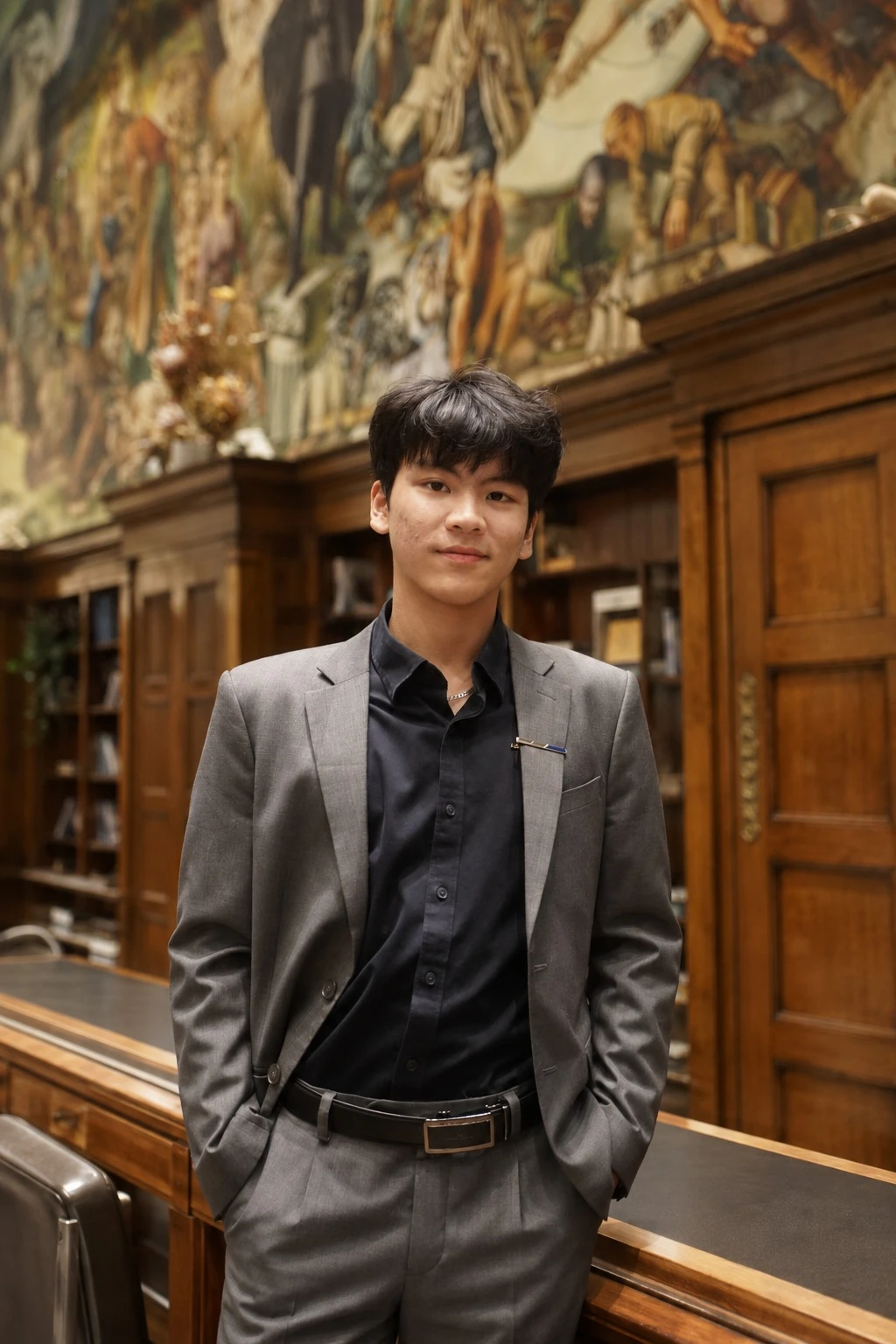
The program at the University of Sydney, I’d say personally, is pretty academically demanding. It’s quite framework-heavy, and requires significant effort for high marks. However, the classes aren’t purely theoretical. Assignments ask students to apply frameworks and think through real-world situations. We are required to adapt concepts that we’ve learnt and develop our own solutions. For me, grades are important, but they aren’t the only valuable part of university. Maximizing grades isn't my only goal. I personally think the most important things are networking, experience, and personal development. I’m not just trying to pass classes; I’m trying to build something for myself while I’m there.
One of my favorite things about the University of Sydney is the support they offer to build students’ professional careers. The Business School, for example, offers industry placement opportunities, where students can intern at real companies. This internship would last around 10 weeks and can count toward degree credit. Students who already have relevant internships or work can apply to have their experience recognized through coursework, although this requires reflection on what they learned and how it connects to their studies. The university's network and industry connections are much more extensive than what I believe I would have access to elsewhere. The University also has a Career and Employability Office, where there are mentors who support students in CV/resume preparation, interview and group assessment preparation, basically building students’ employability skills.
Finding Community & Future Plans
The University of Sydney is extremely diverse, but diversity doesn’t automatically mean friendship. Some international students make friends easily while others may struggle more. Just because you’re surrounded by international students doesn’t mean you can automatically create close friendships. My biggest recommendation is to try to talk to as many people as you can when you first get there, but don’t immediately decide who your close friends will be. Try to experience different perspectives, so don’t restrict yourself to just people from your country. When making conversation, look for shared interests and values, and you will gradually build your own community.
In the future, I hope to stay in Australia and build a career here. I could potentially work after graduation if I can secure a sponsorship. Otherwise, I’m going to try pursuing a Master’s degree and continue working towards establishing a career. It’s not as simple as just following a path related to my degree. I also have to consider employment opportunities, immigration/visa requirements, sponsorships, or whether it makes sense to pursue further education.