
My Background
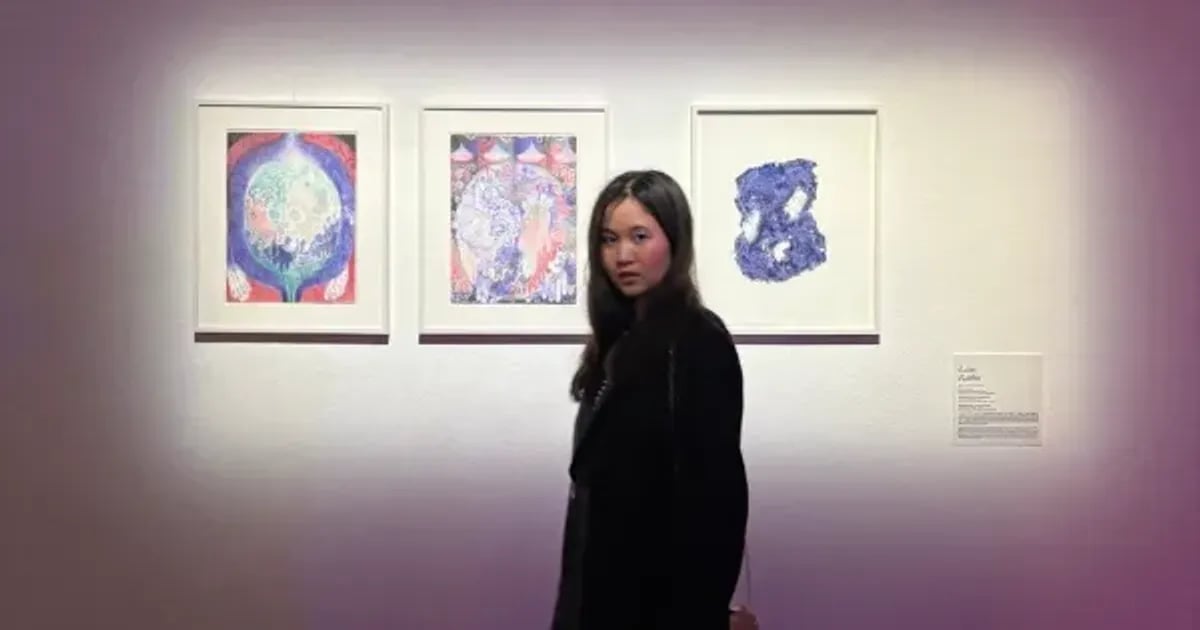
My name is Zhanel, and I’m originally from Almaty, Kazakhstan. I graduated from Nazarbayev Intellectual School in Almaty, and I’m currently a second-year student at NABA — Nuova Accademia di Belle Arti in Milan, where I study Fashion Marketing Management (BA).
Even though my high school was strongly science-oriented, my interest in fashion began early, to be more specific, around seventh grade. Throughout school, I kept creating small projects, and eventually I started organizing fashion shows. In my final year, I produced a larger fashion event at Esentai Gallery in Almaty, bringing together local Kazakh brands, emerging models, photographers, makeup artists, and performers. That project became one of the clearest turning points, because I realized that fashion was what I wanted to build my future around.

Why I Decided to Study Fashion Abroad
I always had the idea of studying abroad, mostly because my school environment encouraged international education. For a long time, I thought I would choose something more “standard” — business or science — and keep fashion as a hobby.
But with every fashion project I did throughout high school, I felt that the creative work was the only thing that consistently gave me energy and motivation. Over time, I realized that pursuing fashion seriously was a different path and required the right environment, so I decided to go for it.
When I asked people working in the field, the advice was very consistent: if you want to study fashion and actually enter the industry, it matters where you are. Cities like Milan, Paris, New York, and London are great places to study, but they are also places where you can attend industry events, meet professionals, and access real internships. That’s why I focused my applications on fashion capitals.
Why Milan and Why NABA?
Actually, Milan was not my first fantasy choice — I always loved the idea of Paris — but Milan became the most realistic and strong option when admissions and finances became clear. Looking back, Milan is an excellent place for an art student because it is both international and deeply Italian at the same time.
I chose NABA because it is an art academy, not a classic business university. My program, Fashion Marketing Management, is exactly the mix of creative work and business understanding I wanted.
What makes NABA different for me is the people teaching here. Many of my professors are not just theory-based lecturers, but they are active professionals: fashion journalists, brand consultants, creatives, and people working in the industry right now. So even when I study a business subject, it still feels connected to fashion and culture, not abstract theory.
What the Admission Process Looked Like
Applying to an art academy is very different from the application system that is widely known in the US. The standard documents were still there:
- Transcript
- Proof of graduation
- CV
- Motivation letter
But the most important part was the portfolio. A common misunderstanding is that a portfolio must be extremely professional. In reality, schools want to see your creative thinking, vision, and initiative. It can include many formats, for some people it’s sketches, for others photography, branding concepts, event production, or even curated creative boards. The key is that they want proof that you already created something.
Personally, I think that my strongest portfolio elements were:
- The fashion shows I organized
- creative direction/photo projects
- documentation of concepts and events
Eventually, I realized that portfolio work is also not a one-time thing. If you choose a creative field, you will keep updating its content,as well as the layout and design, forever.
Tuition & Living Costs in Milan
NABA is a private academy. Tuition is around €20,000 per year, and scholarships can reduce it (for example, bringing it closer to €13,000 depending on the award). Italy also has other options, such as public universities and government support programs (like DSU), which some international students use successfully.

Academic Life at NABA
My program combines business and creative disciplines. On the creative side, we study things like graphic design and media-related subjects, and in one course we explored magazine history — my exam for it was to create my own magazine concept, which honestly felt like a dream project. On the business side, we have economics, marketing, and brand management.
Another thing I personally value is that it’s easier to form real connections with professors. Since many of them teach as a side role while working professionally, you can learn not only content, but also how the industry actually works, as they can become direct links to some opportunities.
Adapting to Milan as a Student
Studying in Milan is very different from a classic campus life experience. In cities like Milan, your campus is the whole city. Your life is not automatically built around university events. You might have a class of 20–50 people, but outside that, meeting people is something you should actively initiate.
For me, the hardest part in the beginning was building a community. What helped me in particular was:
- having the courage to approach people
- starting conversations naturally (even something simple like complimenting someone’s style)
- joining local communities: creative events, workshops, clubs (book clubs, running clubs, etc.)
Internships & Career Development in Milan
Milan has a lot of opportunities, but it is also competitive. Many students complain about how hard it is to get internships, especially paid ones and that is true. Salaries can be low compared to rent, and many early opportunities are unpaid.
At the same time, I learned that you can’t wait for “perfect listings.” A lot of growth comes from building your own path through small steps.
My internship path looked like this:
- I applied continuously on LinkedIn just to understand the market (even when roles were unrealistic for a student).
- I sent a lot of cold emails, and for a long time, got only silence or rejection.
- Eventually, I started volunteering backstage at fashion shows. Even if it’s physical work, it gives you access to real environments and people.
- I got a remote internship with a small New York-based fashion magazine, editing content and attending events as a representative during Fashion Week periods.
- I asked a guest lecturer I connected with if I could assist her. She agreed, and I gained industry access through her work to events, publications, and networking opportunities.
- I also assisted a Paris-based fashion influencer during Milan Fashion Week, which later turned into a paid part-time role. That job expanded into content creation, event coverage, and eventually travel for work.
- Recently, I joined an internship at a Milan-based textile studio focused on events and marketing. I got it by consistently attending their events, building familiarity, and pitching my ideas directly.
The biggest lesson from all of this is that opportunities usually come after many “no’s.” Persistence matters, but so does learning to recognize chances in casual spaces and often unusual spaces.

What I Want to Do After Graduation
After graduation, my plan is to work in Milan to build stronger experience and professional grounding. Long-term, I would love to move to Paris at some point, and later also experience New York for a short period. My biggest goal is to create my own fashion show agency — producing shows for brands and independent designers.
Advice for Applicants Considering Milan
If you’re applying to creative programs in Italy, I would focus on:
- Start building your portfolio early (and treat it like a long-term project)
- Don’t wait for perfect opportunities; instead, create them
- Network consistently, even in small settings
- Learn the language if you want long-term career growth
- Choose the city intentionally, because Milan gives you proximity to industry, but you need initiative to benefit from it
Studying abroad in a creative field pushes you to grow quickly both professionally and personally. So the more proactive you are, the more value you gain from the experience of being here.