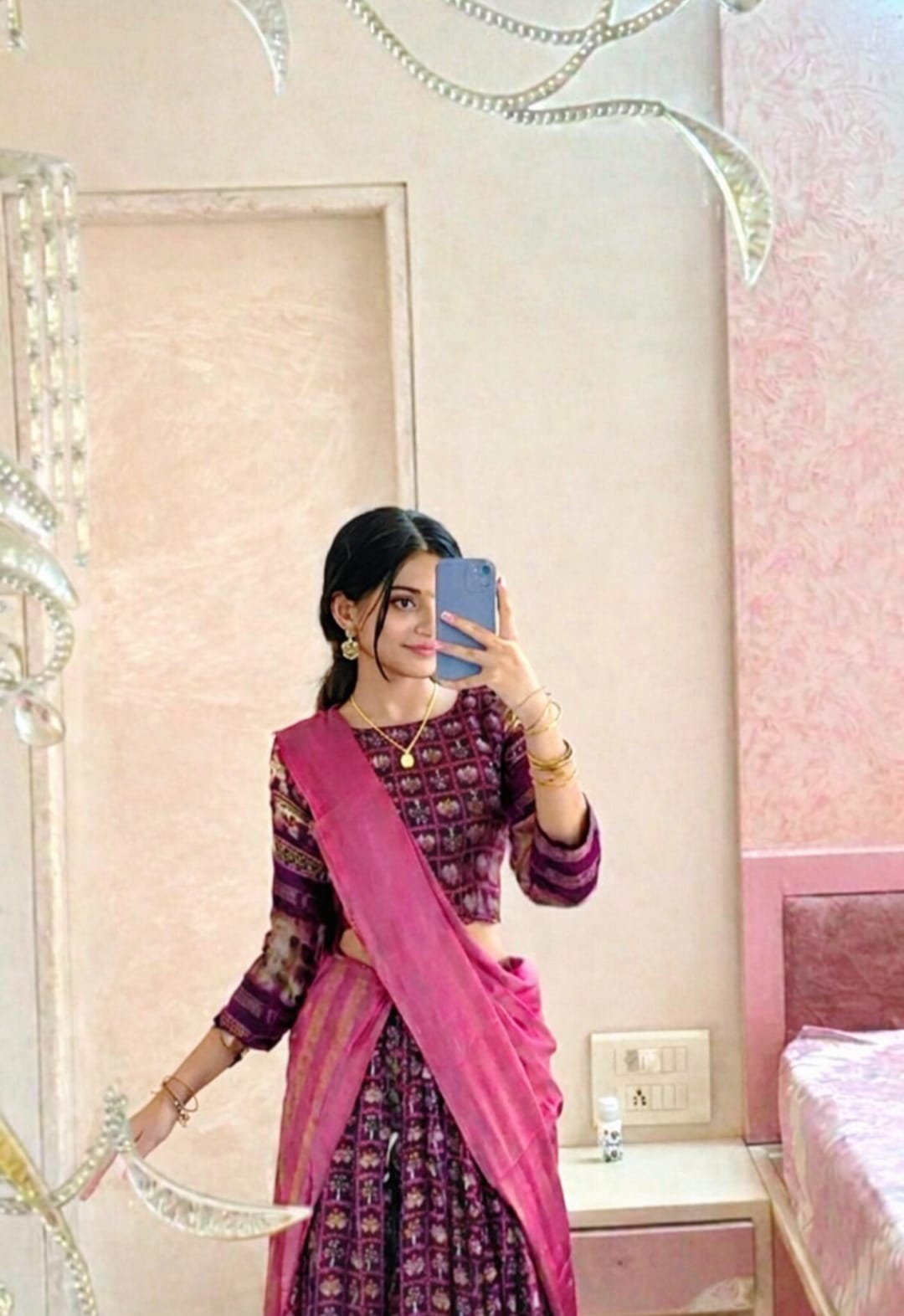
I am Swasthik, a student from Tamil Nadu, India. Raised in a middle-class family where education and discipline were my constant guiding forces. My father works as a technical consultant, and my mother is a teacher, so growing up, my life was structured and predictable. School, home, and routine defined most of my early years.
Until eighth grade, the shift began when I met my social science teacher, who encouraged me to step outside my comfort space. Through quizzes, programs, and external opportunities, he exposed me to experiences beyond textbooks. Eventually, I developed a quiet fascination with Japanese culture through anime and storytelling, which led me to explore basic Japanese vocabulary during my free time.
I was always interested in this Japanese culture. Anyone who visits Japan, returns as a whole different person. This simple curiosity eventually became the starting point of something much larger. And my fate eventually landed me to an exchange program in Japan, where I experienced their culture, and way of living closely - learning the way of living of the Japanese .
Discovering the Program
My introduction to the Asia Kakehashi Project happened through AFS Intercultural Programs, an organization that had partnered with my school.

This programme is called Asia Kakehashi project, initiated by the government of Japan, focusses on bringing students to Japan and like giving them a year of experience.
Although the duration has now been shortened, the purpose remains the same: building cultural bridges. The program’s vision resonated with me deeply because I did not just want to visit Japan; I wanted to understand it, feel it, and make it a part of my lifetime memory.
Application Journey
The application process consisted of three stages in particular.
The preliminary one focused on basic details along with a few responses about motivation and expectations. I wrote honestly about my curiosity in Japanese culture and language learning, and how I often explored Japan independently in my free time to understand the ideas and values that shape its society.
Moving to the main application stage meant completing more detailed questions, and essays were reviewed by the organizers and embassy officials. This part went beyond listing achievements as it encouraged deeper reflection on mindset, openness to new experiences, and adaptability.

The final stage of the process was the interview. Reaching the main application stage meant filling out more detailed forms and writing essays that were reviewed by the organizers and embassy officials. This part wasn’t just about highlighting achievements, but it pushed me to reflect on my mindset, how open I am to new experiences, and my ability to adapt.
Extracurricular Activities and My Personal Life
With my academics, I gradually started exploring entrepreneurship through innovation programs, and connected with communities and organisations that brought students together to build ideas and collaborate. Being part of these spaces exposed me to new perspectives, conversations, and creative thinking beyond the classroom. In spite of being an introvert, I enjoyed meeting people who would brainstorm, use their cognitive ability, and be actually passionate towards change-making. These experiences feel exciting and different from my regular school routine.
Despite this exposure, I was naturally someone who kept my social world small. I was most comfortable with familiarity and depth rather than large circles. Starting conversations with new people or stepping into unfamiliar social spaces had never been easy for me. It was this very hesitation to open up quickly that later made my exchange experience more impactful, as I gradually learned to move beyond and become more comfortable engaging with new people and environments.
Life in Japan
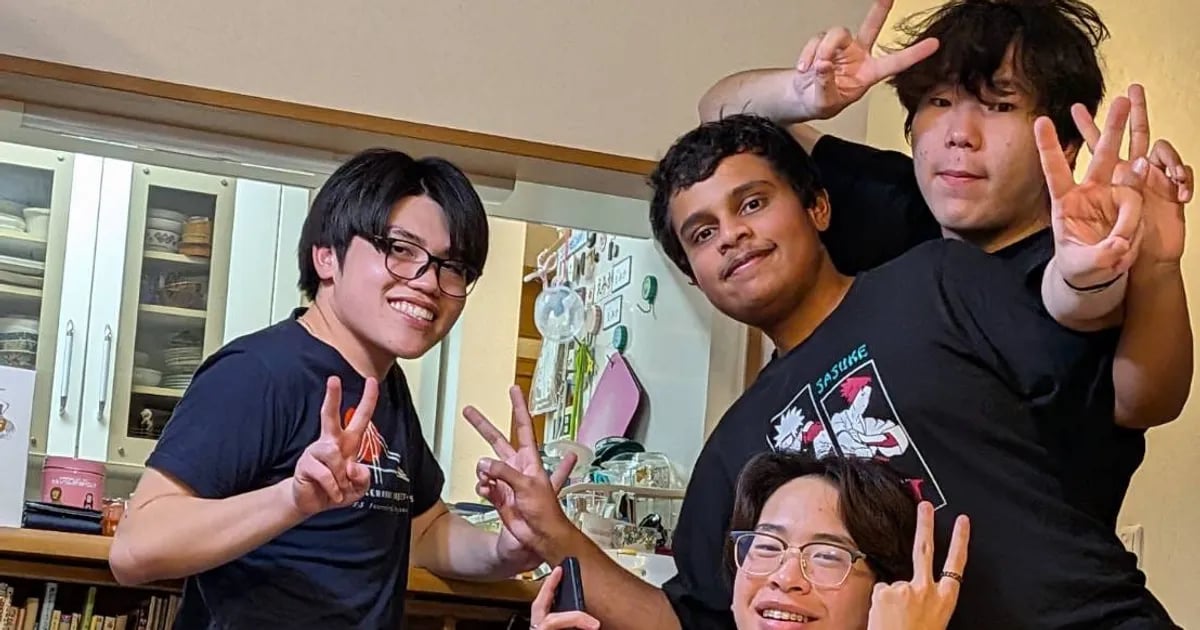
My daily routine involved waking up around 7:30 a.m., attending school, participating in Japanese classes, and joining the basketball club after school. Sports provided a communication space where gestures and sign language replaced vocabulary, making participation easier. Evenings were spent completing homework and interacting with friends.

Arrival and Adjustment
The program was fully funded by the Japanese government, with logistics managed through AFS. Financial support allowed me to focus entirely on experience rather than affordability.
Despite excitement, the initial phase was challenging. I experienced homesickness and difficulty connecting socially.
Due to homesickness, immediately going out of your home and getting out of all the comfort, I did not connect with people so well.
To cope, I created small emotional anchors. A 5-minute talk with my mother through a phone call instantly motivated me and calmed me down. Equally important were friendships with fellow exchange students. Shared vulnerability became the foundation of connection.

They were also facing a similar kind of experience and we were exploring new things together.
Cultural Learning and Observations
Cleanliness in public spaces caused reflection, leading me to question environmental practices at home. Conversational tone differences were noticeable too, with Japanese interactions feeling calmer in comparison.
A particularly meaningful learning moment happened through an interaction with a friend whose communication felt blunt, direct, and immensely rude at times. After discussion on the topic, I realized directness was culturally normal for him. That person would never sugar-coat their words or try to be kind unnecessarily. I was initially very skeptical about it, and refrained from indulging with such people, but gradually, I understood that they were not wrong on their part, either, and I needed to check both viewpoints. This was a major cultural learning for me, that how culture, way of living, and everyday routine can indeed shape a person’s whole personality, and influence others as well.
Conclusion
Returning home brought reflection and responsibility. Catching up academically after months away was challenging, yet I approached it with acceptance - because there was nothing else I could possibly do.The word “Kakehashi,” meaning bridge, gained personal significance.

Advice for Future Applicants
For students considering this opportunity, I would emphasize genuine curiosity. This program is not meant for someone seeking only international travel but for someone who truly wants to explore Japan’s culture, language, and everyday life.
You should have a keen interest in learning about Japanese and exploring the Japanese culture.
Authenticity also matters throughout the process. Whether writing essays or answering interview questions, presenting your real self allows organizers to understand and support you better.
Most importantly, be prepared for growth through challenge. Homesickness, language barriers, and adjustment difficulties are natural parts of the journey, but they are also what make the experience transformative.
For everyone who dreams of exploring Japan deeply, living within its culture rather than observing it, the Asia Kakehashi Project offers a powerful opportunity to learn, connect, and grow.