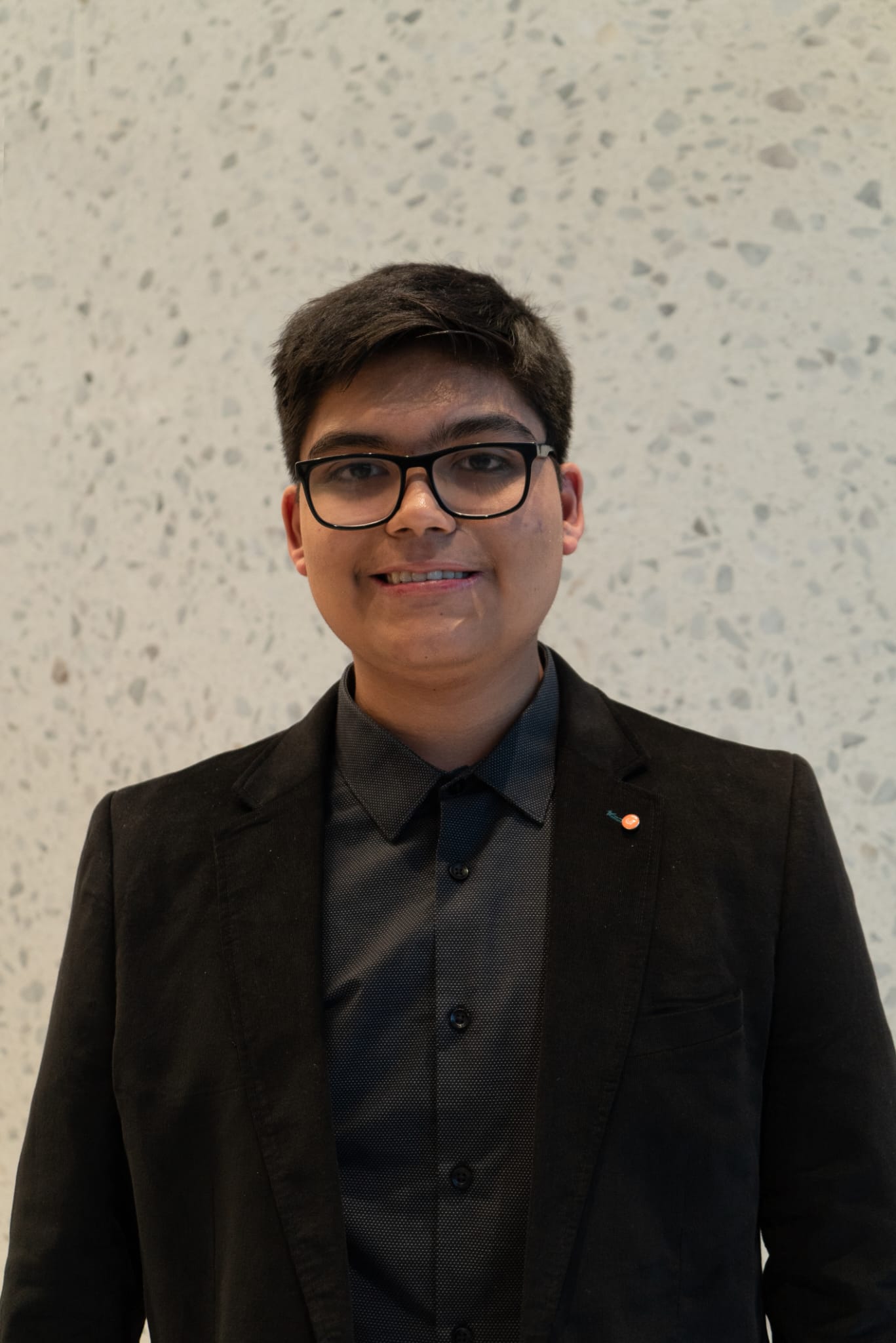
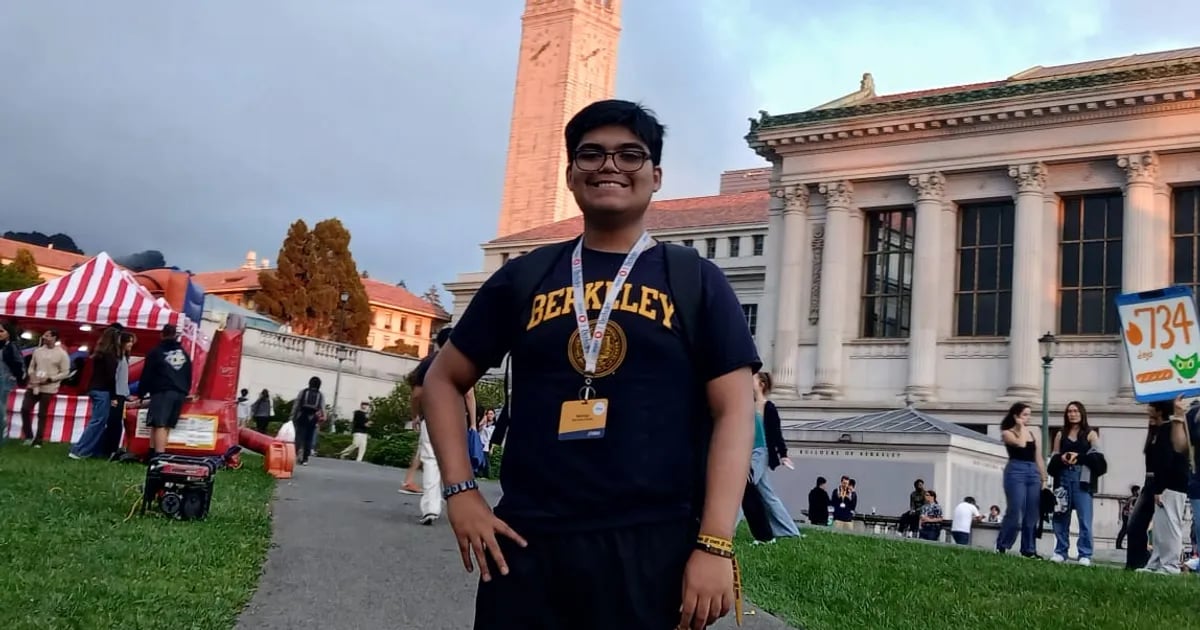
Rodrigo Martinez is an undergraduate Aerospace Engineering student at the University of California, Berkeley, originally from Lima, Peru. He is currently a member of the Propulsion Team at STAR (Space Technologies and Rocketry), where he contributes to the development and analysis of experimental rocketry systems. Additionally, Rodrigo is the Founder and Director of Space Connections, a bilingual initiative connecting students across Latin America to space science and engineering. His experience includes simulation and trade studies in high-altitude aerodynamics through Space Enterprise at Berkeley (SEB), as well as serving as Vice-Chair of the Research Committee at the American Institute of Aeronautics and Astronautics (AIAA) Berkeley Student Branch.
Background and Early Aspirations
I’m from Lima, Peru, though I have roots in the Andean region of Huánuco on my mother’s side. I studied at Colegio Mixto Santa Teresita, and my interest in studying abroad began with a very specific goal: pursuing a degree in Aerospace Engineering.
When I was in my first year of secondary school, I started researching options and realized that countries like Germany, the United States, and the Netherlands offered not only specialized programs in this field, but also access to leading agencies and companies such as NASA, Airbus, and SpaceX. There was an entire ecosystem abroad that simply didn’t exist back home.
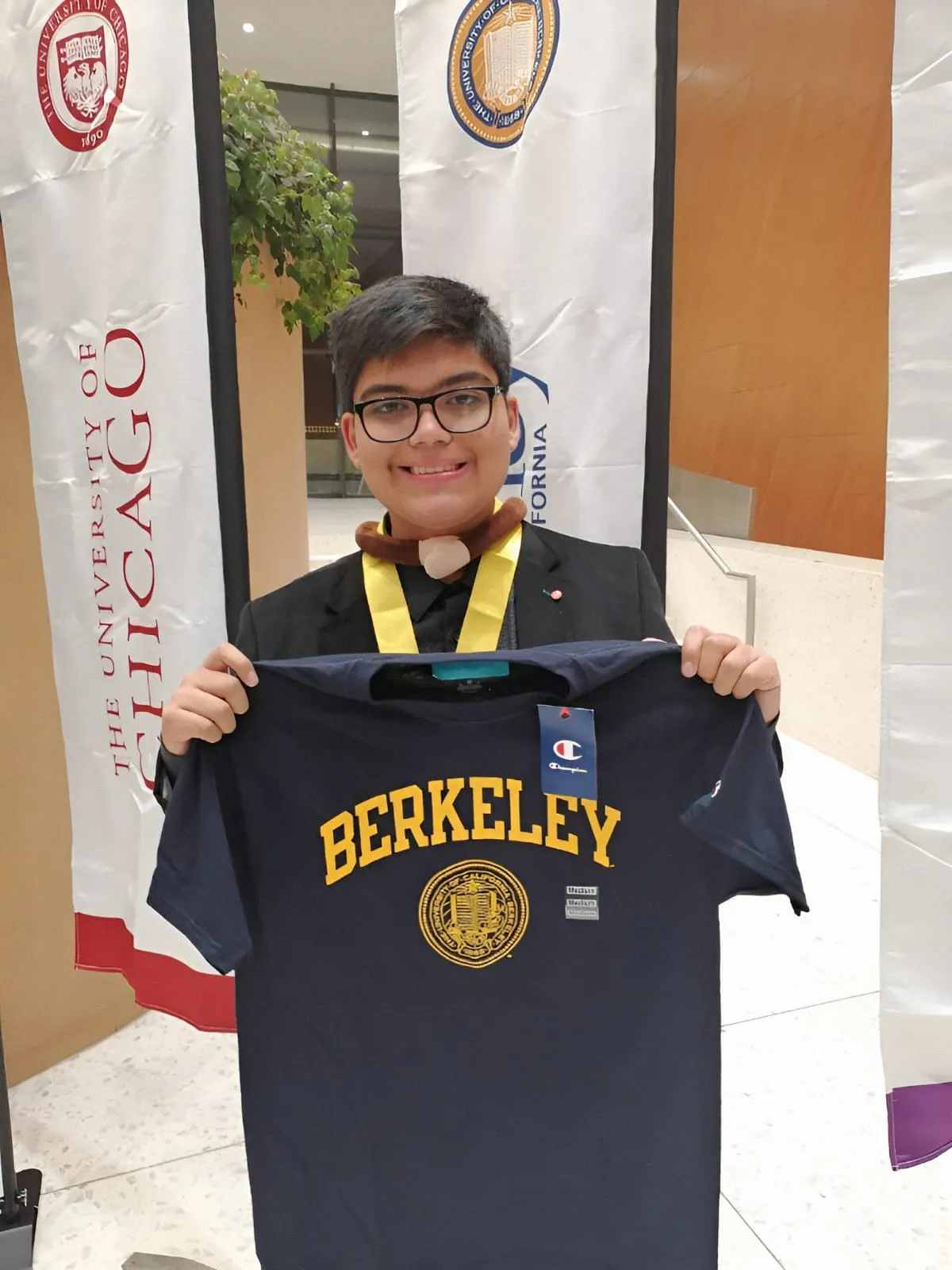
Motivated by that, I applied to Beca Cometa during my final year of high school in 2023. After graduating, I spent the end of December preparing for the next steps, and in 2024, I was accepted to UC Berkeley, where I began my studies in August. I’m now in my second year.
Navigating the College Application Process
For some universities, I applied to Mechanical Engineering; for others, Aerospace Engineering, mainly depending on whether they offered the major. At UC Berkeley, the program is relatively new, but it’s incredibly dynamic, with strong opportunities and close ties to organizations like NASA. Companies actively engage with students here, professors are genuinely supportive, and there are even visits to research centers such as NASA Ames in California. Overall, what the university offered felt both rigorous and well-rounded.
The application process itself is fairly standard. Many universities have moved to a test-optional policy, some have gone further. UC Berkeley, for instance, is test-blind, meaning they do not consider SAT or ACT scores at all during the admissions process, even if submitted. Academics are important, you really have to give your best, but extracurriculars also carry significant weight. They’re what show your passions and how you’ve pursued them beyond the classroom.
Essays, though, are where everything comes together. Telling your story—what you want to study, your long-term goals, and why that specific university—matters more than people sometimes realize. I had the opportunity to have a mentor who supported me throughout the process, and I ended up writing different essays tailored to each university. More than anything, it was a journey made up of many stages, each one shaping my path forward.
Academic Profile, Extracurriculars & Honors
My GPA, on the Peruvian 0–20 scale, was 19.65/20. Still, you don’t need a perfect score, what matters most is consistently doing your best throughout high school. I took the TOEFL and scored 104 out of 120; aiming above 100 is a solid benchmark, and anything over 105 is even stronger. My SAT score was a 1430 out of 1600. As I mentioned earlier, UC Berkeley doesn’t place heavy emphasis on the SAT, but if you’re applying to universities that do, aiming for 1500+ is a good goal.
Beyond grades, what really counts is the effort you put into everything you do. In terms of extracurriculars, many of mine happened outside of school. I participated in national-level competitions like the ADECOPA Math Festival in 2019. I also received a scholarship throughout high school, starting with 50% in my first year, 70% in my second, and then a full scholarship until graduation. That support meant a lot to me, and I’ll always be grateful for it!
I was involved in activities like chess and math, played soccer for a year, and often helped teach my classmates subjects like math, chemistry, and physics. After graduating, I became more involved in volunteering, joining international organizations such as Make The Difference. I also joined a Chilean-based program, Academy into Space, which operates across Latin America, and started a science outreach account.
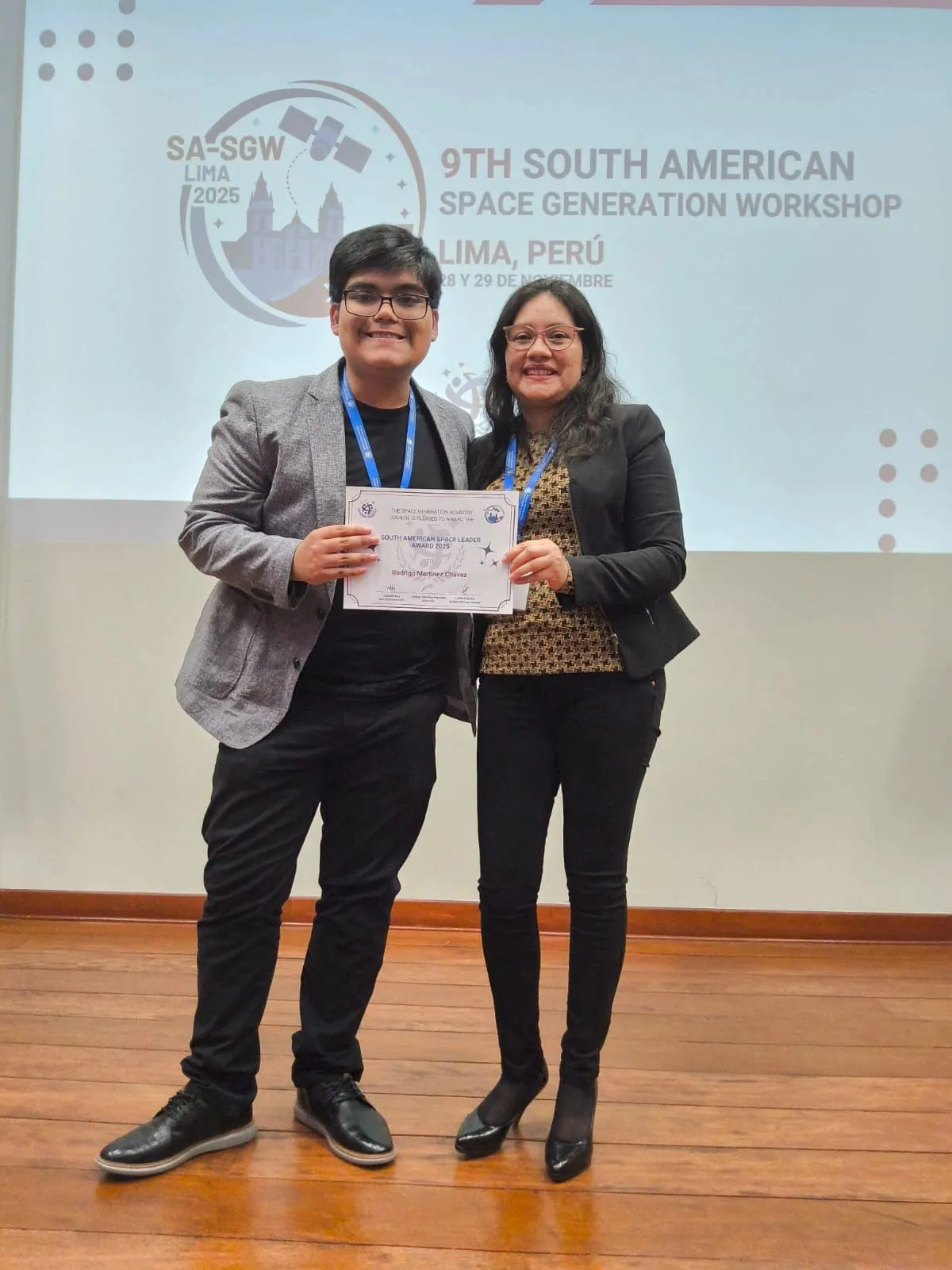
One thing I’ve learned is that it’s not just about starting projects, it’s about sustaining them. That outreach account eventually evolved into Space Connections. Once I began university, I expanded the initiative by recruiting volunteers from across Latin America. With support from the U.S. Embassy in Peru, we organized events featuring Peruvian professionals working at NASA, though that’s part of a more recent chapter.
I was also part of the Latin American Leadership Academy (LALA) and am currently involved with the Intinauta Research Center.
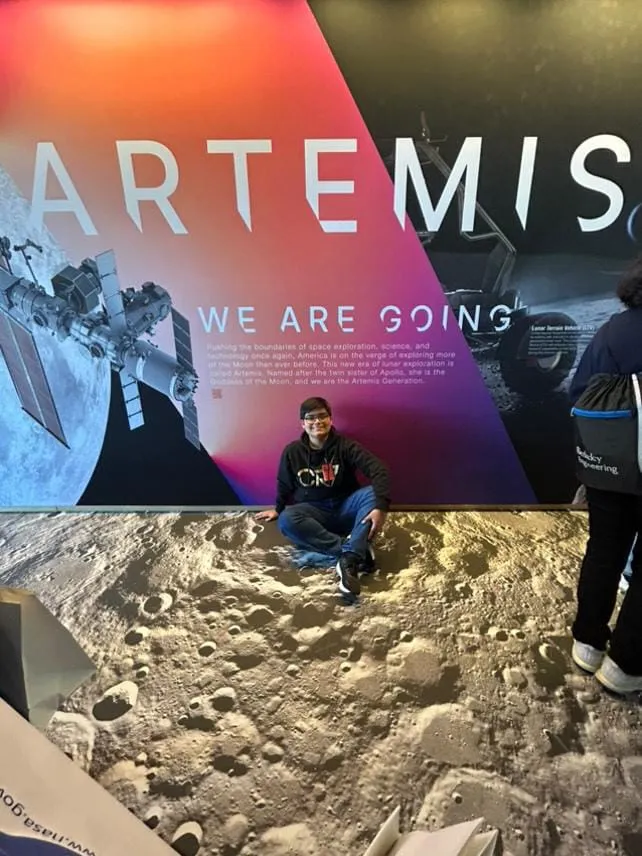


Personal Statement: The Stories Behind My Application
When applying to UC Berkeley, you’re given eight essay prompts and asked to choose four. I selected topics that genuinely reflected who I am. In one, I wrote about my decision to pursue aerospace engineering and the resilience it has required. In another, I shared my family background, my mother’s roots in the Andes, and how that has shaped my values, especially my desire to be a role model for my younger brother.
At the heart of my essays was a story of resilience. Growing up in a difficult home environment, I witnessed conflict and instability that affected my family. My mother faced financial hardship, and I stepped in wherever I could—helping with small jobs, supporting her work, and taking on responsibilities at home. There were moments when balancing school and these challenges felt overwhelming, but those experiences pushed me to grow. They became the reason I worked harder, eventually earning a full scholarship and graduating at the top of my class.
Another part of my story focused on teaching and leadership. What started as helping my younger brother with school turned into a deeper passion for sharing knowledge. Over time, that grew into involvement with youth organizations, where I contributed to workshops, projects, and initiatives that reached students across Latin America.
I also wrote about my fascination with space. Since I was young, I’ve been drawn to the stars, to questions about life beyond Earth, and to understanding how things work. Even though aerospace engineering isn’t widely available in Peru, I looked for ways to explore it on my own—through online courses, personal projects, and creating platforms to share what I was learning. From building small robotics projects to leading a team in the NASA Space Apps Challenge, I found ways to turn ideas into action.

The Support That Made It Possible
Beca Cometa was one of the most important parts of my application journey. Through the program, I received structured preparation that I wouldn’t have accessed otherwise. They covered classes at Instituto Cultural Peruano Norteamericano (IPCNA), not focused on learning English from scratch, but on mastering test strategies.
We also used a platform to prepare for the SAT, where I practiced with sample questions and learned techniques to improve my performance. Beyond the exams, I had the support of a counselor from Paraguay who guided me closely, especially when it came to extracurriculars. Many students know what they’ve done, but not how to present it in a way that resonates with admissions officers. That guidance made a real difference.
She also supported me through the essay-writing process, helping me shape my ideas and communicate my story clearly and authentically. Beyond the technical preparation, Beca Cometa connected me with incredibly talented students who are now studying abroad at universities like MIT, Brown, Dartmouth, and NYU. I also built a close circle of Peruvian friends, six of whom are now at Berkeley. More than anything, the program gave me both the tools and the community to navigate this path.
Adjusting to a New Environment
Adapting to life at Berkeley was, at first, a bit overwhelming. It was my first time leaving Peru, my first time being away from my family, and suddenly I was immersed in a completely new environment. Even though I spoke English, it wasn’t my first language, and understanding everyday slang, casual expressions, and natural conversation was something no classroom had fully prepared me for.
At the same time, there were cultural differences I hadn’t expected. There’s often this idea that Latin American cultures are more warm and expressive, and I did notice that social dynamics in California felt different in that sense. It wasn’t something negative, just new.
Over time, though, everything becomes part of the learning process. You adapt, little by little. You start to understand not just the language, but the environment, the people, and yourself within it. It’s not a single moment of adjustment, it’s an ongoing journey, and one that continues to shape you every day.
Building Beyond Berkeley
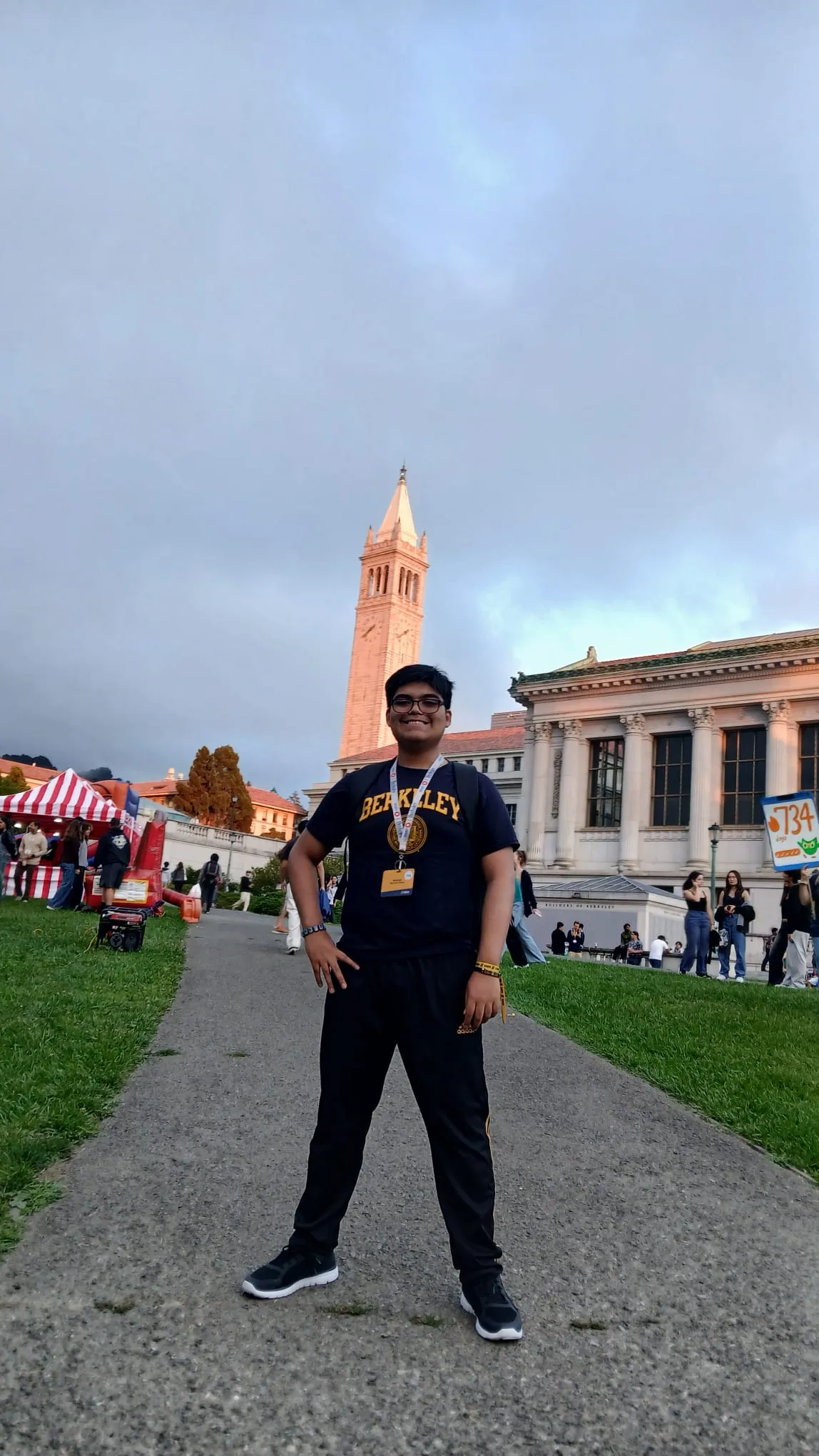
At UC Berkeley, my involvement goes far beyond academics. I am currently part of the American Institute of Aeronautics and Astronautics (AIAA), where I serve as Vice-Chair of the Research Committee. Through this role, I also contribute as a teaching assistant for a student-led course called DeCal. These sessions are designed and taught by students, focusing on topics such as how to conduct research in the aerospace field and engaging with industry conferences. I actually took this course during my first year, and it inspired me to return as an instructor in my second.
At the same time, I’ve stayed connected to opportunities in Peru. I am part of Intinauta, a research initiative I strongly recommend to anyone interested in the space sector back home. It’s a multidisciplinary space where students explore areas like aerospace engineering, astronomy, computer science, and even medicine. This program didn’t exist when I was applying, but it’s exciting to see how the ecosystem is growing.
I also lead a team within RocketLab, a lab focused on developing rocket prototypes. While I used to participate in person during my time in Peru, I now contribute remotely from Berkeley, continuing the work alongside the team. In addition, I was selected as Crew Engineer for Team Peru VI in The Mars Society, where I took part in a two-week Martian analog mission at the Mars Desert Research Station (MDRS) in Utah. The experience involves conducting experiments and simulating real space missions in a controlled environment.
Alongside these initiatives, I continue to lead Space Connections, working with a team of students from the United States to design and expand projects that bring aerospace closer to more students.
Outside of academics, I also make space for recreation. I’m part of a soccer team, which has been a way to reconnect with something familiar. I used to play soccer in primary school and basketball in high school, but when I arrived here, I quickly realized the level of competition was different. At 1.76 meters, I found myself at a disadvantage in basketball, so like many South Americans, I returned to soccer. It’s become a way to unwind and stay grounded amidst everything else.
Finding My People at Berkeley
When it comes to friendships, most of my close circle is Peruvian—friends I started this journey with, along with others I met once I arrived. I’ve also built connections within my major, especially with American students of Latin American background, as well as other U.S. students. We’re a relatively small group, around six or seven people, and those friendships formed early on through classes and shared experiences. Over time, I realized we had similar interests, goals, and ways of seeing things, which made those connections feel natural.
Networking is something I learned through Beca Cometa. Whether it’s at academic conferences or presentations, it’s about asking questions, listening, and being open in conversations. It’s not always easy. Although I consider myself introverted, I’ve learned that putting yourself out there truly pays off. I try to express my ideas, stay curious, and embrace the learning process.
There was a moment during my first year that really stayed with me. In a session at the Space Sciences Laboratory, a professor said that if you feel like the least knowledgeable person in the room, you’re probably in the right place. It means you’re surrounded by people you can learn from. If you’re always the one who knows the most, your growth becomes limited. That perspective changed the way I see challenges, not as something to avoid, but as proof that I’m exactly where I need to be.
Looking Ahead: Between Limits and Possibilities
As I look toward the future, I’m aware that building a career in the United States as an international student comes with real challenges. There are strict regulations that make it difficult to work in certain sectors, especially those related to aerospace and defense. As an aerospace engineer, the same knowledge used to design a rocket can also be applied to missile technology, which is why access to these industries is so heavily restricted. It’s a reality that doesn’t depend solely on effort or preparation, but also on policies beyond my control.
Still, that uncertainty hasn’t changed my direction, it has only made me think more strategically about it. I’m strongly considering pursuing a PhD, possibly at institutions like Berkeley, MIT, or Stanford, where there is a strong focus on astronautics and advanced research. I’m still exploring my options, but I know I want to keep pushing forward, learning, and finding ways to stay connected to the field.
At the end of the day, my journey has never been about following a straight path. It’s been about adapting, finding alternatives, and continuing despite the limits. And that’s exactly how I plan to approach what comes next.