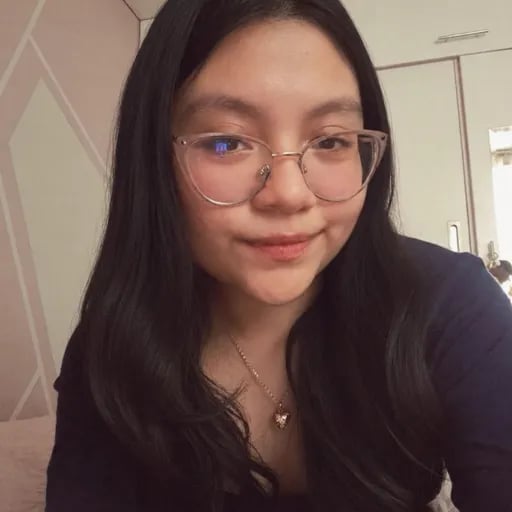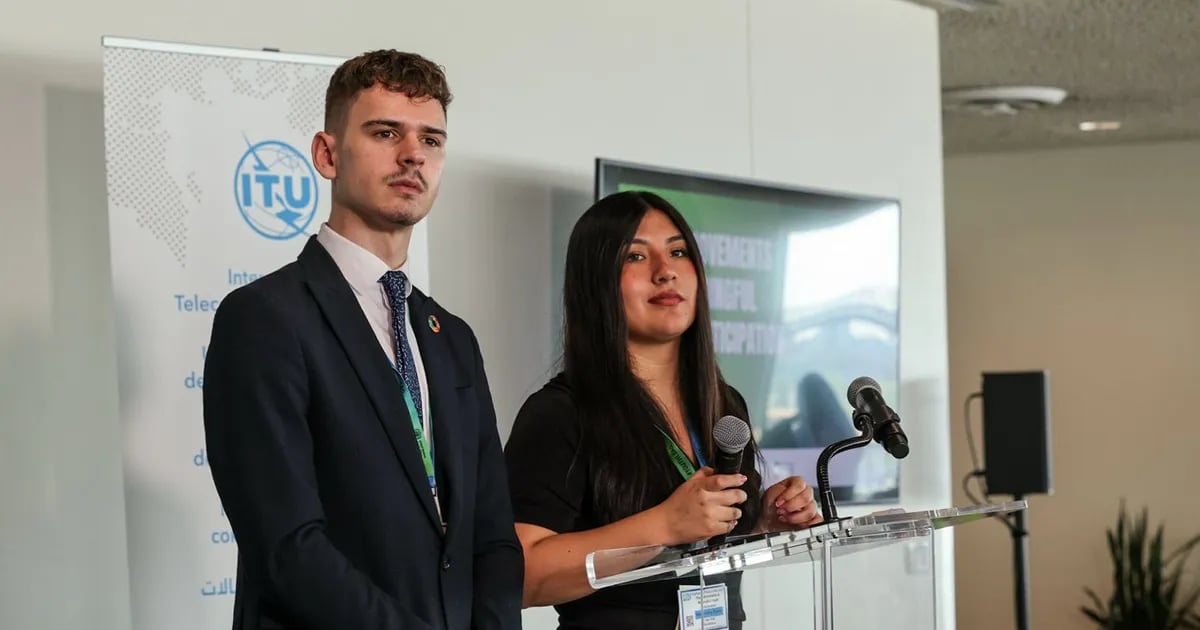
Lindsey is a first-year student at the University of Pennsylvania pursuing a double major in Philosophy, Politics, and Economics (PPE) and Political Science, with a concentration in Political Economy. Interested in applying economic analysis and policy insights to real-world challenges, with a focus on economic development, public policy and data-driven decision-making. Since the age of 15, she has advised and contributed to initiatives with global organizations including the United Nations Youth Office, the United Nations Foundation, the United Nations Local2030 Coalition and Teach For All, focusing on youth participation, education and global development. She also founded ImpactaYA, a youth-led initiative focused on social entrepreneurship, working to expand access to education and opportunity across Latin America.This summer, she will be conducting consulting and advising work with NGOs in Philadelphia and educational networks in Peru, supporting initiatives at the intersection of education, policy, strategy and social impact.
A Desire to See the World Beyond Borders
I grew up in Lima, Peru, and attended Innova Schools throughout my entire academic journey.
During Secondary School, I began hearing stories of students who had achieved their dream of studying at universities in the United States. I noticed the different opportunities they were exposed to—internships, new experiences, and diverse ways of learning—and over time, I started imagining myself pursuing a similar path.
From a young age, education became a central part of my life. I knew that in Peru I could still receive a quality education; however, I felt that studying in the U.S. would allow me to encounter perspectives that were more difficult to find at home. I was especially excited by the idea of learning alongside people from different backgrounds, understanding how other communities approach social challenges, and seeing how culture, leadership, and public policy can shape people’s lives in different ways.
More than anything, I wanted to better understand the world around me. The idea of being in an environment where I could constantly learn from others, explore new ideas, and challenge myself personally and academically felt incredibly valuable to me. At the same time, my greatest hope has always been to use everything I learn to someday contribute back to my country in a meaningful way.
Why the University of Pennsylvania Felt Like the Right Fit
The University of Pennsylvania was always my first choice. When I first started learning about studying in the United States, I constantly heard people mention the term “Ivy League,” and I became interested in understanding what made each university unique. I spent a lot of time researching every Ivy League school, watching student videos and day-in-the-life vlogs to get a better sense of their environments and cultures.
As I explored more about UPenn, I found myself drawn to its atmosphere. I really admired how pre-professional and driven the community was. Even things like applying to student clubs can be highly competitive, but to me, that kind of environment can also motivate people to keep growing and pushing themselves, both academically and personally.
I also loved the campus and the fact that UPenn is located in Philadelphia. Personally, I’ve always felt more connected to city environments, so that was an important factor for me as well. While researching other universities, I realized that some campuses simply did not match the kind of environment where I could truly see myself, I personally felt more comfortable in an urban setting.
Another reason UPenn stood out to me was its strong programs in Political Economy and Philosophy, Politics, and Economics (PPE), which closely aligned with the subjects I was most interested in studying.
Academic Profile and Standardized Testing
My GPA was 10/10. Instead of taking the TOEFL, I decided to take the Duolingo English Test because I applied during my final year of high school and did not take a gap year, so my schedule was very limited at the time.
Extracurriculars: Leadership & Global Learning Experiences
Most of my extracurricular activities took place outside of school, although two of the ten activities I included in my application were school-related. One of them was Student Council, where I served as Student Mayor. I also co-founded, alongside one of my teachers, an arts ensemble at my school that included different areas such as dance and theater, with annual performances organized each year.
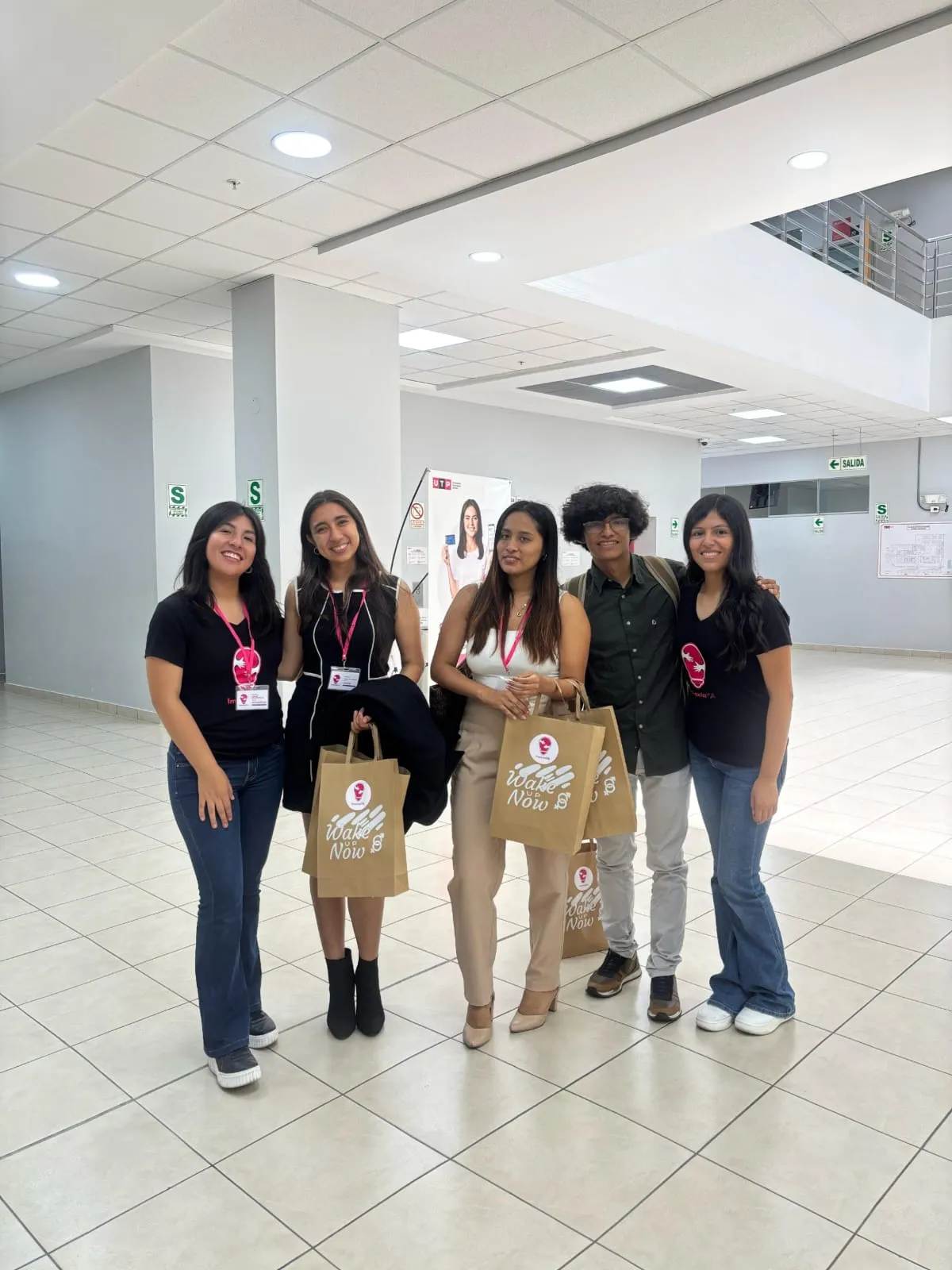
Outside of school, one of my main activities was leading a youth organization called Wake Up Now, where I served as CEO for three years. Through this initiative, we focused on empowering young people to develop the confidence to create social impact projects within their communities and strengthen their leadership skills. Together, we raised over 25,000 soles—more than $7,000 USD—in funding, and reached communities across Latin America. It became one of the most meaningful and impactful experiences in my application.
Another important experience was being selected as a Youth Ambassador, a fully funded scholarship program that brought me to the United States during my fourth year of high school. As part of the program, I took classes at the University of Virginia. Through Youth Ambassadors, participants were also required to create a community project, which led me to found ImpactaYA. The initiative focuses on supporting young people by connecting them with resources, mentorship, and opportunities for growth. We later applied for funding through the International Baccalaureate and received financial support, which allowed us to expand our mentorship network.
I was also involved with Enseña Perú, where I served as a youth guide, facilitator, and student reporter. Through the program, I had the opportunity to collaborate with TV Perú and participate in communication and reporting initiatives, which I included as part of a broader extracurricular commitment. In addition, I conducted academic research through the Alpha Scholars Program. My research paper focused on education, specifically examining the factors that influenced parental support for students during the pandemic.
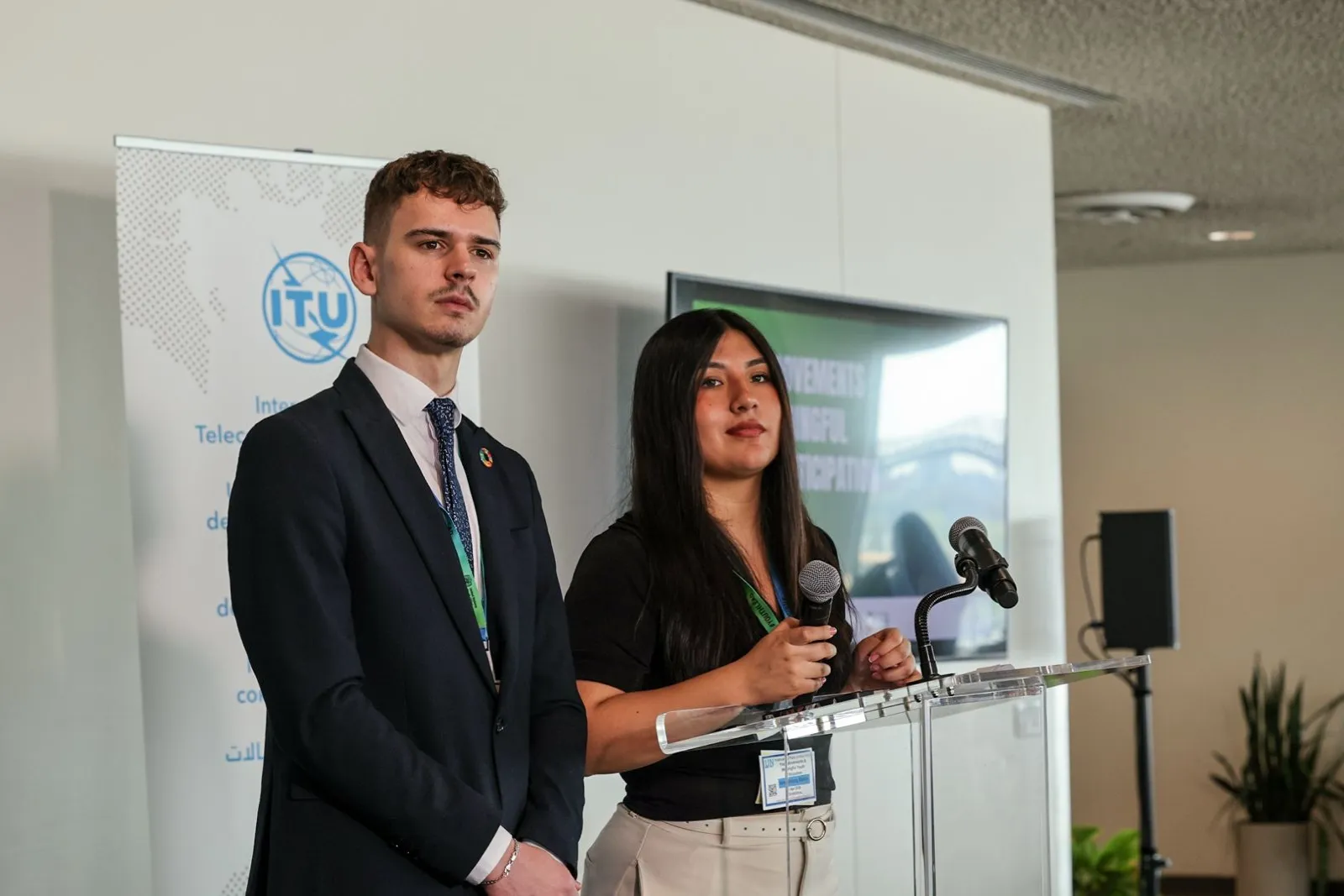
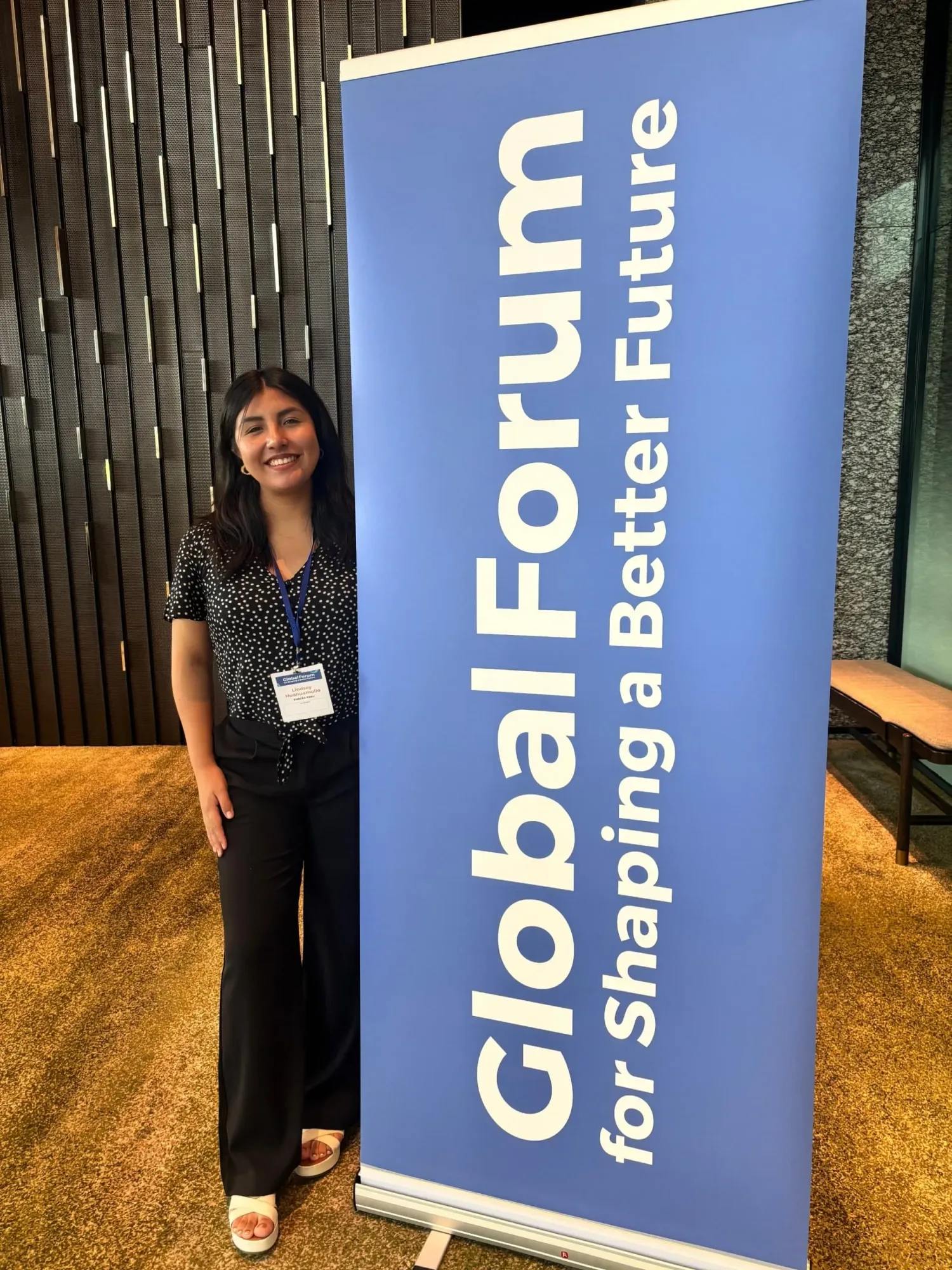
I also attended a forum in the United States that later gave me the opportunity to serve on the Advisory Council of the United Nations Foundation for two years. In that role, I participated in meetings, shared recommendations, and spoke about my experiences as a youth leader.
Another experience I highlighted in my application was the Yale International Relations Leadership Institute, a fully funded program at Yale University. There, I focused on research related to the Sudan crisis and strengthen my understanding of political science and international affairs.
Lastly, I participated in a summer program at Northeastern University focused on experiential entrepreneurship and business. I received a full scholarship for the program and included it as one of my extracurricular activities as well.


Awards & Recognitions
One of the recognitions I am most grateful for was being selected as a fully funded delegate for Teach For All conferences connected to the United Nations General Assembly (UNGA) and the Sustainable Development Goals framework. I was chosen from a global network of more than 14,000 students across Teach For All.
I was also awarded the Silver Medal by Alpha Scholars in recognition of my academic research paper focused on education during the pandemic.
In addition, I earned first place and a Gold Medal in the International Plan competition, which provided funding to continue developing my social impact projects. I also received a Gold Medal in Genios Académicos, a Latin American academic competition.
Another meaningful recognition was being selected and recognized by the U.S. Embassy as a Youth Ambassador in Peru.

How My Family’s Story Shaped My Purpose
My personal statement centered around my relationship with my father. He is originally from a province outside of Lima and, throughout his life, he did not have access to a quality education. In many regions of Peru, there are still challenges related to educational access and infrastructure, and those barriers limited many of the opportunities he could have pursued.
I reflected on how, even when someone tries to learn independently, the lack of access to formal primary and secondary education can still create obstacles. At the end of the day, education is not only about knowledge, but also about the opportunities, credentials, and interpersonal skills that come from being part of an academic environment. Those were opportunities my father never fully had.
What impacted me most was realizing that despite everything he went through, he always did his best to give me opportunities he never had himself. He constantly supported my goals, encouraged me, and made sure I felt cared for every step of the way.
Through that experience, I began valuing education even more and started imagining how I could contribute to changing that reality for others. I did not want more people to experience the same frustration my father once felt. That became one of the reasons why I decided to start Wake Up Now. In my essay, I connected that personal story to the belief that every action, no matter how small, can create meaningful change.
Programs That Supported My Application Journey
Throughout my application process, I was part of three programs that provided me with significant support and guidance. One of them was the Crimson Access Opportunity Program, which helped me during the college application journey.
I was also selected as an Opportunity Funds scholar through the U.S. Embassy in Peru, a program that supports high-achieving students applying to universities in the United States.
In addition, I participated in the University Placement program at the Latin American Leadership Academy (LALA), where I received mentorship and support throughout the admissions process.
Building a New Life at Penn
Before officially starting my first year at Penn, I was invited to join a special pre-orientation program that allows a small group of students—around 100—to arrive on campus a month earlier than the rest of the incoming class. Through this opportunity, I was able to experience Penn while the campus was still mostly empty, which made the transition feel much more personal and meaningful.
Having that extra time helped me adjust little by little. I explored the campus, became more familiar with Philadelphia, and slowly adapted to speaking English in my daily life. Looking back, my first weeks were a mixture of emotions: I missed Peru and my family, but at the same time, I felt excited to finally begin a dream I had worked toward for years. There was also a sense of peace in realizing that I would spend the next four years in a place where I genuinely loved the environment, the people, and the energy around me.
Academics and Classes
During my first semester, I took Intro to Microeconomics, a philosophy course called Markets and Morality, a mandatory writing seminar for first-year students, and a business course.
Currently, I am taking Intro to Macroeconomics, Latin American Literature, History, Mathematics, and Comparative Politics in Developing Areas. I’ve really enjoyed being able to explore classes across different disciplines while still connecting them to my broader interests in policy, economics, and social impact.
Campus Involvement and Community
Outside the classroom, I’ve become involved in several student organizations, especially consulting-focused clubs. I am also part of the board of the Assembly of International Students (AIS), the International Student Advisory Board, and the Education Consulting Club.
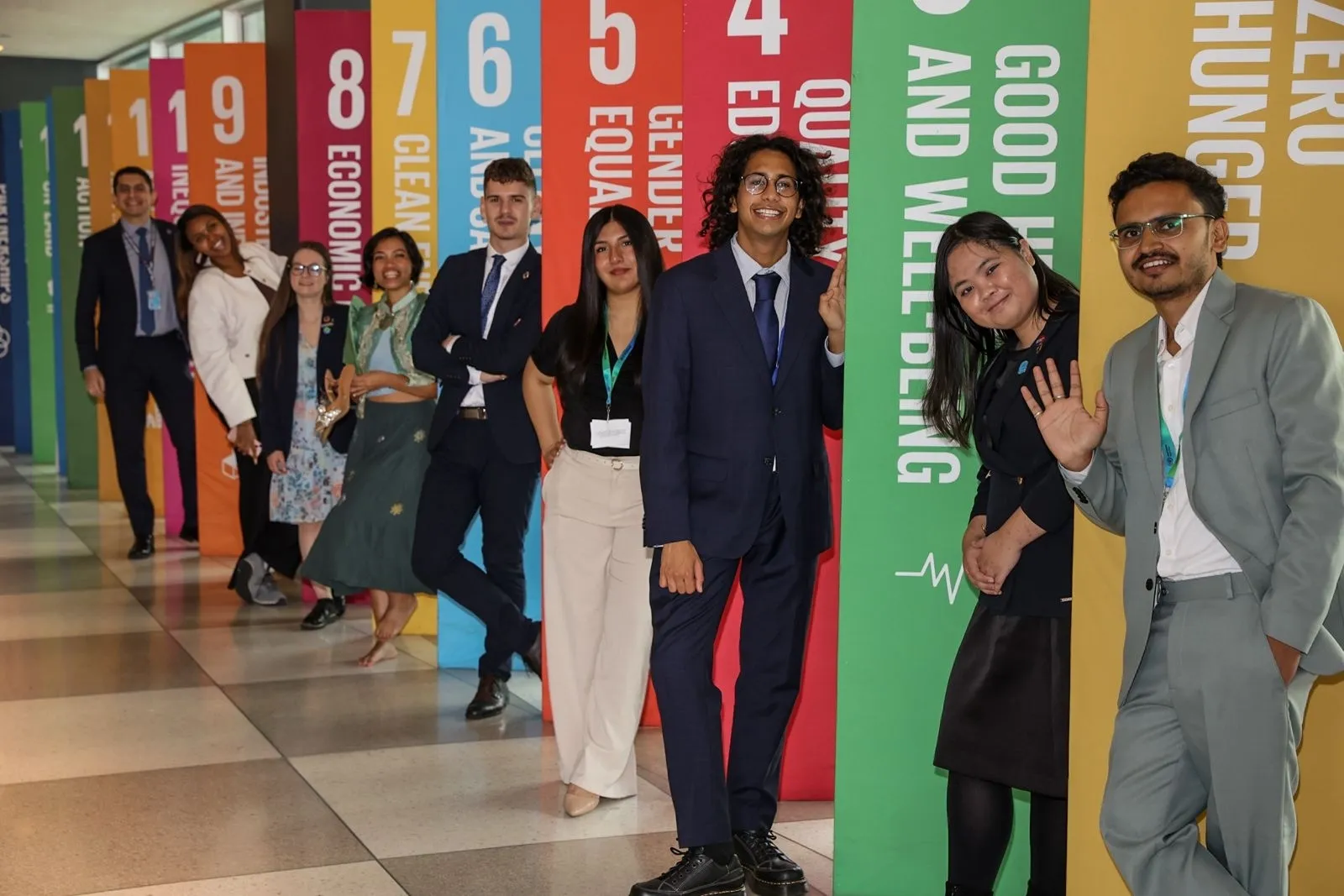
In addition, I was selected as a Penn World Scholar, a distinction awarded to one international student from each represented country. There are only around fifteen scholars from different parts of the world, and the program also provides scholarship support from the university.
I am also part of Penn’s Work-Study program through the Center for Community Partnerships, where I work as a Spanish and English tutor for elementary school students. That experience has been especially meaningful to me because it allows me to stay connected to education and community work even while studying abroad.
Balancing Academic Life in Philadelphia
The academic workload at Penn can definitely feel intense at times. There are moments when it becomes exhausting, but something that helps a lot is the sense of community around you. You can study with friends, have study sessions together, or simply take a break and relax for a while.
Whenever things become overwhelming, sometimes the best option is just taking a walk around campus or going into Center City Philadelphia. There’s always something to do—trying new food places, visiting museums, going to aquariums, or simply exploring the city. Even though the academic environment is very demanding, having supportive friends and access to so many experiences around the city helps create a healthier balance.
Future Goals and Aspirations
In the future, I would love to work in social consulting and support organizations or companies in developing projects with social impact. I’m also interested in working within public institutions, such as government ministries or even the Central Reserve Bank of Peru.
At the same time, I’m interested in pursuing a path in finance, although I always want community impact to remain part of my life. No matter where my career takes me, I hope to continue making time to mentor or support social initiatives and youth-led projects.
Right now, I’m especially interested in public policy, but I know the next four years will continue helping me explore and better define the direction I want to take.