
My Background
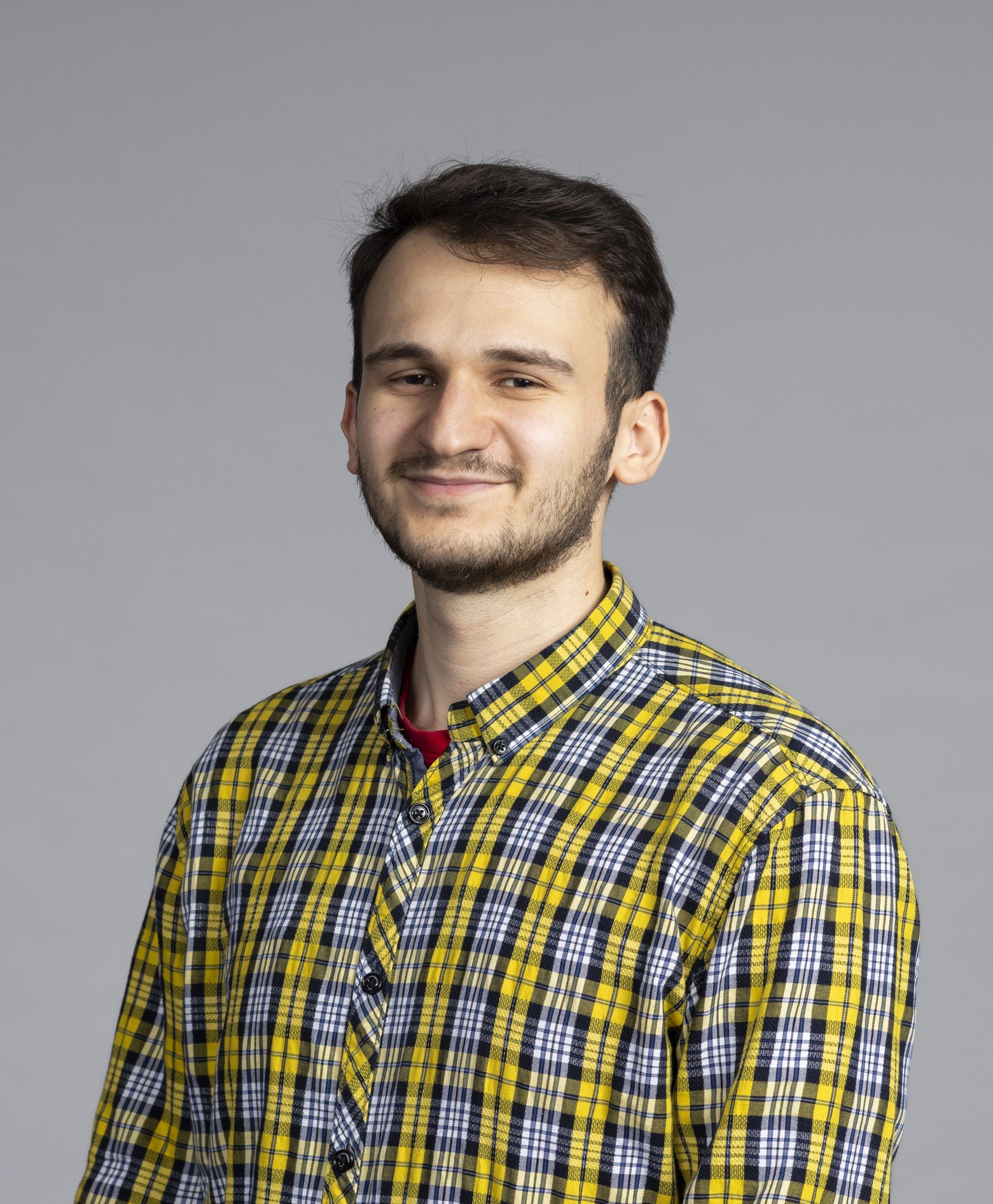
I’m Lir, and I graduated from high school in 2020. As most people remember, that wasn't exactly the best year for travel or big life changes. I had these grand plans to move to the US, Germany, or France, but the pandemic shifted everything. I ended up staying in Kosovo for my undergraduate degree at the University of Pristina.
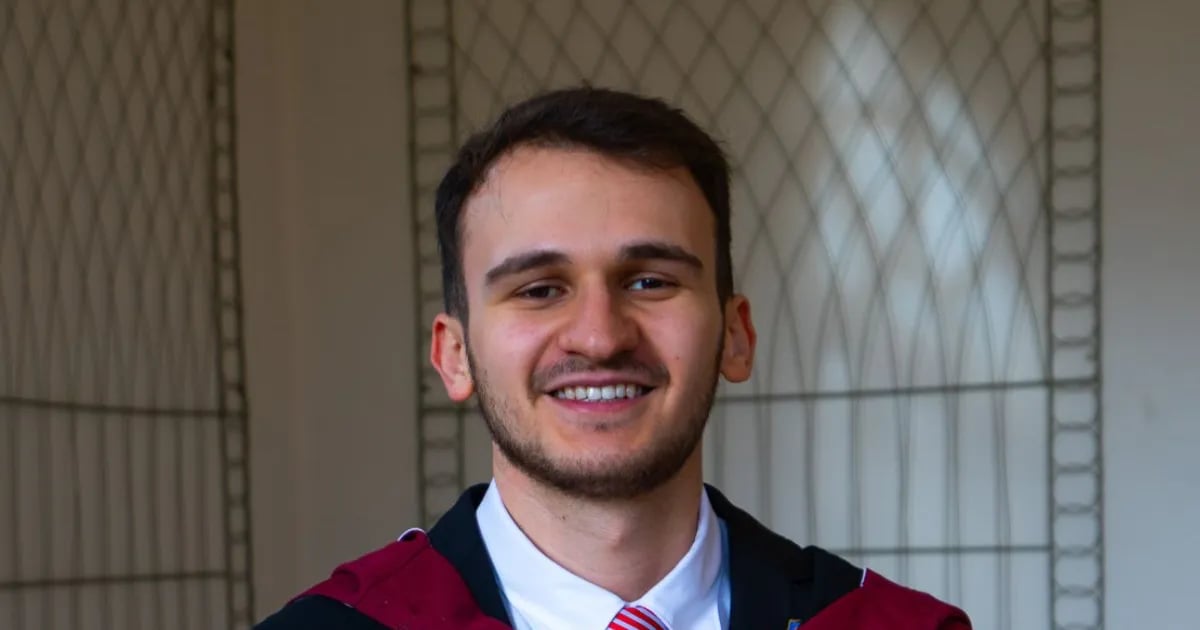
Looking back, that delay was actually a blessing. It allowed me to mature and understand the real challenges facing my own society before I jumped into a completely different culture. By the time I finished my bachelor's with top marks, I felt ready for the next step, which took me to the University of Bristol in the UK.
Finding the New Frontier of Economics
People often ask why I chose the specific path of Economics with Data Science. To me, it felt like the natural evolution of the field. The way we collect data and use AI has completely changed how we make decisions, whether in business or government. I wanted to be at that frontier.

At the time, Bristol offered a joint program that was quite rare in Europe. I wasn’t just studying theory anymore; now I was learning how to code and use statistical tools to solve real-world problems.
My interest was sparked during the second year of my undergraduate studies back home in Prishtina while I was following a data science course from CERGE-EI in Prague, in which mentors from my university and CERGE-EI showed me that data-driven decision-making is the future.
The Reality of Applying Abroad
I won't sugarcoat it: the application process is stressful. It’s probably the worst part of the whole journey because of the uncertainty. You’re preparing documents, sitting for standardized tests, and dealing with mountains of bureaucracy while trying to finish your current degree. I’m actually going through it all over again right now for my PhD applications, and it really brought back those old memories.
The personal statement is the most crucial piece. You have to be able to explain not just what you want to do, but why it matters and where it’s taking you. In the UK, they also care deeply about seeing that you’re a well- rounded person. Having good grades is a baseline, but your extracurriculars and your personality are what make you stand out from thousands of other international applicants.

Adjusting to a New System
When I finally got to the UK, the biggest shock wasn't the culture; I grew up listening to UK hip hop and grime music, so I felt somewhat at home. The real challenge was the academic shift. In Kosovo, we focus very heavily on theoretical frameworks. We’re good at understanding the "what."
In the UK, the bar for critical thinking is incredibly high. It’s not enough to know the theory; you have to be able to argue why a policy works or doesn't work. The marking system is also quite different, and it takes a semester or two to really find your footing. And of course, there’s the personal side. We Kosovans are very warm, family-oriented people. You definitely feel the absence of that closeness when you're abroad.
Crossing the Desk to Teaching and Research
While finishing my master's at Bristol, I started looking for ways to stay in the UK. I applied for a Research and Teaching Assistant role at Imperial Business School. It’s a very competitive spot; usually, only one or two people are hired for the whole department.

I remember my interview day clearly because an alarm went off in my dorm at 3 a.m. I went into that high-stakes interview on almost no sleep, feeling like I was completely messing up the technical questions about data science and programming. Somehow, I got the job.
Now, my life is a mix of two worlds. Half the time I’m supporting professors, leading seminars, and marking exams. The other half is pure research, collecting data and running statistical analyses for papers that eventually get published. It’s incredibly rewarding to see the other side of the podium.
My Advice to Students Back Home
If you're sitting in a classroom right now dreaming of studying abroad, my biggest piece of advice is to start early. Don't wait until the last minute to look for scholarships. I was able to fund my studies through a combination of savings and the Think Big Scholarship at Bristol, but those opportunities have early deadlines.
I also think many students struggle with a bit of an inferiority complex. We see these prestigious global institutions and think we don't belong there. But having worked at Imperial, I can tell you that our students are just as capable as anyone else.
The boundaries are mostly in our minds. If you have the drive to learn the tools, especially now with AI making information so accessible, there is no reason you can’t succeed in London, New York, or anywhere else. My plan is to eventually take everything I've learned here and bring it back home to help educate the next generation in Kosovo. That’s the ultimate goal.