Introduction and Background
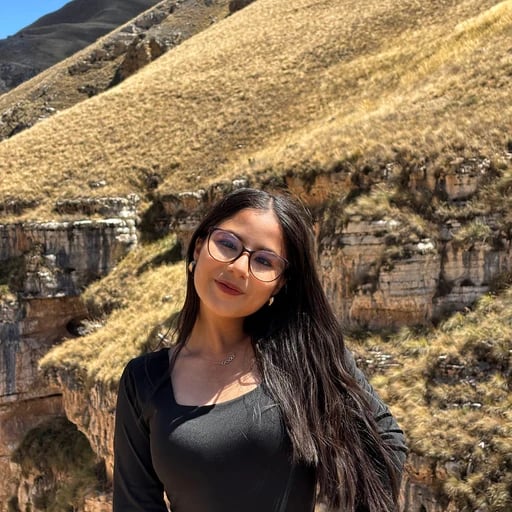
My name is Gabriela Pizarro, and I come from Pucará, a rural community in the Junín region. It's a place where people still greet each other with "hello, aunt," even if there's no family relation. In this place, among gardens, mountains, and the sound of animals, I learned that opportunities exist, but you need to seek them out and pursue them even if they seem distant.
I consider myself a curious, passionate, and persevering person. I saw other young people traveling, leading projects, and representing their communities, until I asked myself: Why not me? It was a desire born from ideas that matured through conversations, examples, and the certainty that I could make an impact in my environment. During this process, I heard about scholarships and projects supported by institutions such as embassies; that was the beginning, as it led me to discover a world beyond what I knew.

What are Youth Ambassadors?
Youth Ambassadors is a U.S. Department of State exchange program that brings together high school students ages 15 to 17 and adult mentors from Latin America and the Caribbean. It lasts three to four weeks and takes place in the United States. Participants take part in leadership workshops, community service projects, homestays with American families, and visits to cultural and educational institutions. When the program ends, each participant returns home to design and implement a community service project that creates a local impact.
Why Did I Apply?
Honestly, I didn't trust myself, I was afraid or lazy; in any case, I didn't aspire to apply to the program. I saw the posts promoting the program, and when I saw the thousands of likes, I thought I didn't have anything that set me apart from them. The idea of competing with thousands of people who might be better than me terrified me. My decision to apply was the result of many things. First, I had seen how a young woman had been part of a project that had taken her to the United States. I also remembered my brother's experience, who encouraged me to apply, and that of one of his friends who had been part of the Youth Ambassador program. All these close experiences wove a network that eventually reached me and led me to apply. When I convinced myself to apply, I filled out the form, wrote the essays, and sent everything. It was an impulse between doubt and hope, a move inspired by the fact that I wouldn't know what could happen if I didn't try.
The Process and the News
Going through the phases was quite a journey. I stayed alert to every notification, aware that although I was hoping for acceptance, there was also the possibility of rejection. I checked my inbox every day after leaving school, in a process that made me anxious. The day the news arrived, I was having lunch in front of a statue of the Virgin, to whom, it's worth mentioning, I had been praying to pass. When I checked my notifications and read the word "Congratulations" on the screen, I felt as if the world stopped for a second. I cried because it wasn't just an achievement; it was the affirmation that I was going to be part of an experience that, due to my background, I could never have afforded. The teacher who had written my letter of recommendation was right behind me. All these elements gave way to such a vibrant moment that still means a lot to me today.
Financial Aspect
Regarding costs, the embassy covered most of them: from the passport to accommodation and meals. So the financial aspect should not be a limitation for you to apply.
Preparation and Initial Shock
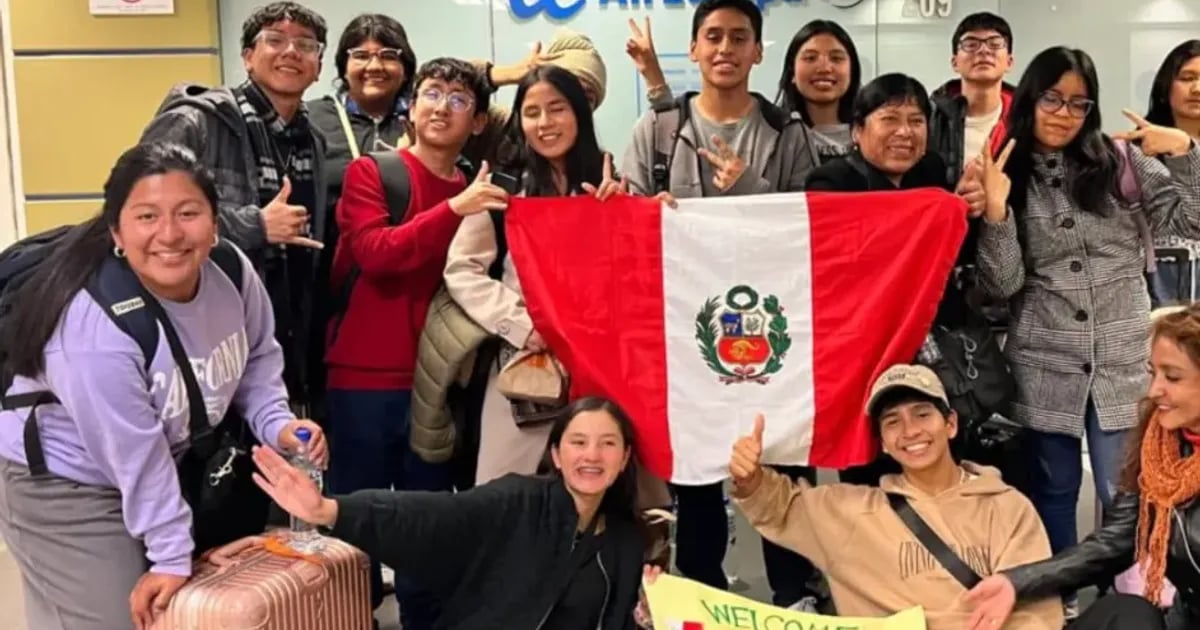
Before the trip, we had a week of preparation in Lima. It was a space that was shared entirely in English, with many new activities for those coming to the capital for the first time, for example, simulations of the American metro with the Metropolitano. During that week, all the selected participants would wake up, have breakfast, and engage in activities such as interviewing tourists, visiting historical centers, and explaining their importance. Everything was designed to confront us with cultural change. That week was fundamental to getting to know the other selected participants, because at the end of the day we had recreational spaces where we took advantage of and explored our tastes, perspectives, and previous experiences, which clearly shaped people. It was a moment when I realized that being a leader varies, because based on their own identity, each of the participants had a way of being an agent of change.
The Experience in the United States
The trip, usually, should be taken as a perfect moment, full of illusions and aspirations, and of course, it was. However, the exchange wasn't just that, as I had many limitations that led me to develop resilience. My main barrier was English, because when I went to the program, my level was B sub 5; it wasn't basic, but to some extent it was limiting. I still remember how one Wednesday, I broke down crying because I felt very limited. Being honest, I reached the point of not wanting to attend the workshops. However, the host families were a refuge. In the family that hosted me, Spanish was also spoken, which sometimes facilitated communication, but the program's purpose was to develop language skills, so I still had to make an effort to use English.
The exchange consisted of visits to centers related to my interests and leadership workshops. I learned to design initiatives with structure, to lead in a team, and above all, to understand that local problems have global echoes.
The Message I Leave
If I could say something to those who want to apply to Youth Ambassador, it would be: don't compare yourself. You don't need to have a resume full of achievements. Your experiences, no matter how small they seem, count. Don't try to impress the jury; try to show who you are, talk about your anecdotes, your community, and what you really live. When your essays reflect your story, the jury will know they're yours. Don't memorize your answers for the interview. Speak with your own words, even if they're not perfect. The important thing is not to sound professional, but authentic. And, above all, believe in yourself, because no one will do it if you don't do it first.
Aspirations
Saying that Youth Ambassador changed my life would be an easy phrase, but it would be true. Not just because of the trip itself, but because of what it awakened. It taught me that believing in oneself is not arrogance, it's courage. That coming from a rural community is not a disadvantage, but a different perspective on the world. If I had to sum it up, I'd say that trip didn't take me far: it brought me back to myself, to what I can do, to what I can build from where I am. And if someone reading me now doubts whether to apply, I'd tell them the same thing I told myself before sending my application: do it anyway. Because sometimes it takes just one click, one minute before the deadline, to change the entire course of your story.