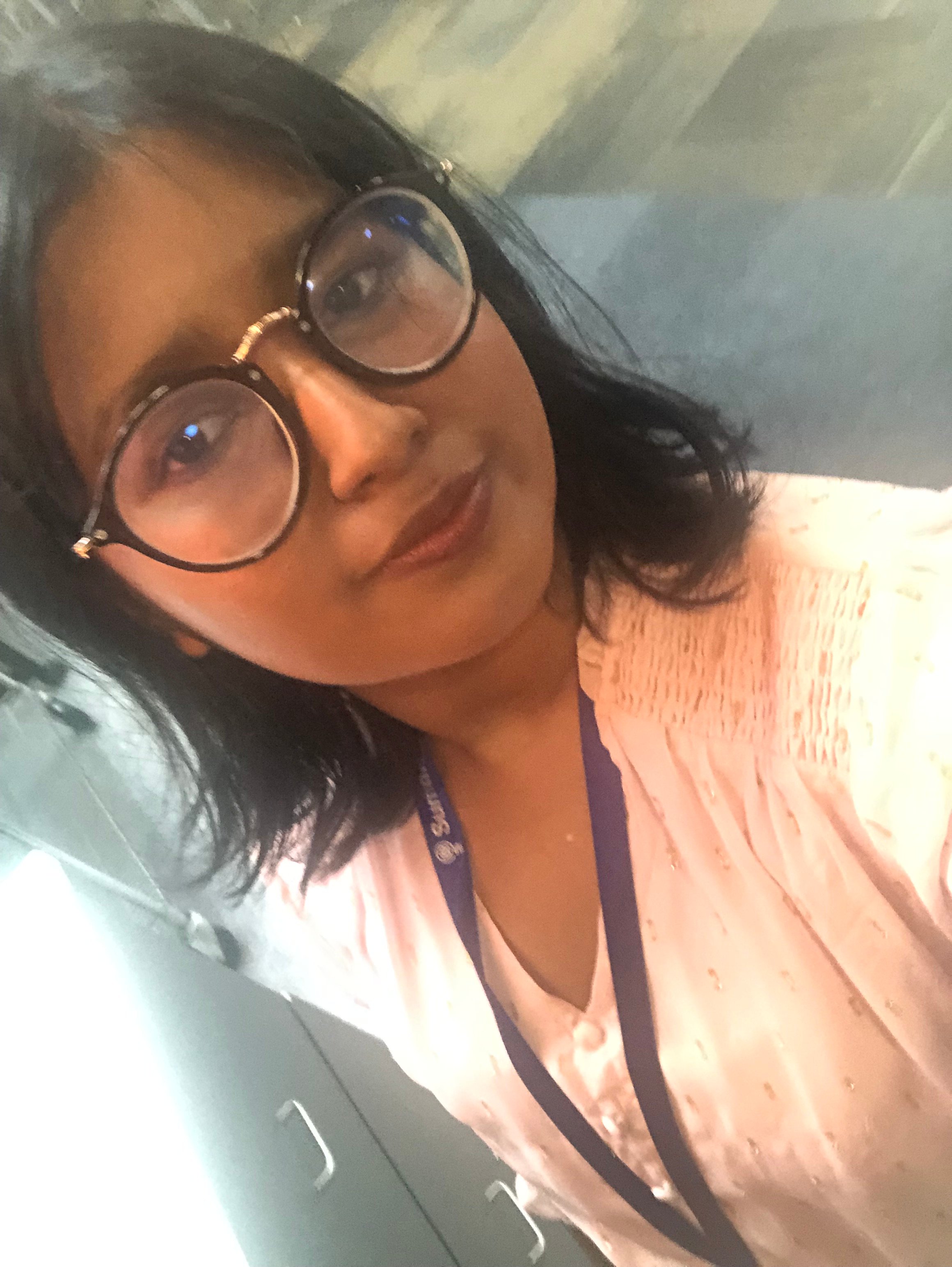

Naboni is a Bangladeshi high school student in the Philippines who has flown to the United States for the Summer Science Program. Over the summer, she underwent a journey of science, self-discovery, and friendship, making for an unforgettable experience that changed the trajectory of her life.
My Background
Hey! I’m Naboni. I’m from Bangladesh –– so my citizenship status is Bangladeshi –– and I’ve been there my whole life, right up until 8th grade when we moved into the Philippines, where I did my high school. Moving from Bangladesh to the Philippines was very tough for me during the first year. I didn’t quite feel like I fit in there because I saw myself as a different person from them. When I was attending an international school in Bangladesh, its student body was still mostly made up of Bangladeshi students –– but here, in the Philippines, there were people from all over Asia, even some from Europe. It was a little difficult to get along with such a diverse group of people at first, but later on, I feel like I ended up making a lot of meaningful connections with a lot of different people. To this day, I appreciate the fact that I got to have such an experience.
I am an active follower of Borderless. In fact, I found out about SSP from the Borderless App, from the documents they sent me — the link that changed my life.
Extracurriculars
The thing about extracurricular activities is that they weren’t really available to us at our school. My high school didn’t even have any clubs until I was in eleventh grade –– so, I tried to be as active as I could be and to take advantage of every opportunity that would come my way. As soon as my school opened a club, I joined it –– which was how I became the editorial head of the journalism club. I was also a part of the photo-journalism club, where I used to take photos of different events that would then get posted on our social media account or used for our school magazine. In addition to these, I would look for volunteering opportunities online, though I wasn’t allowed to go out that much. I would take advantage of remote opportunities as much as possible. When searching online, on iVolunteers (a non-profit organization “dreaming of every Filipino volunteering towards a better Philippines”), I discovered ‘Hands in Inclusion.’ I became their youth inclusive leader and would host different programs. I had my own project, and I said I would host different webinars at different high schools to raise awareness about mental health hygiene. We’re still working on that one. Other than that, I would work at my family’s business during my free time, schools breaks, and holidays, and in 10th grade I tutored two Bangladeshi students online for about three months (with pay). I also pursued to take Coursera courses online and just explore my passions –– neuroscience, psychology, et cetera. As you can see, helping people with their mental health was one of my passions. These were my highlights in my application to the Summer Science Program, as well.
Why the SSP Program?
When I applied to SSP, it was kind of like a short in the dark. I never expected I would get in. Since I was younger, I would always look up exchange program opportunities online, wanting that experience for myself. I used to watch videos on YouTube about students going to study abroad, knowing I never had those resources and that my parents couldn’t afford it even if I could apply online. The first I heard of SSP was from Borderless. There was a link to prestigious programs for international students, so I clicked on it, saw SSP, went to their website and found that the applications were open. What caught my eye was that there was no application fee, which was why I applied –– but another reason for my application was because one of the offered programs was about genomics, which was one of my interests.

The Application Process
The application process was quite simple, I would say. I had to write six short different essays, each with a maximum word limit of about 1000; so, just a few paragraphs. Some of the prompts were as follows: one asked me about my interests and what excites me, another about something I do to relax, the standard “why SSP?”, a community service essay (in which I wrote about my work at Hands in Inclusion and other volunteering experiences in the Philippines); a challenge that I faced in real life, in my family, and in my community — what ideas or opinions challenged your bias? (I quite liked this last prompt.) There was a whole other section where they asked if I did any STEM-related internships and/or other residential programs. They gave me a survey and I answered yes or no, whether I did or did not, and then they’d tell me to expand on it (what exactly did I do, why couldn’t I do those things?). One thing I emphasized is that these resources were not available to me, and I think that this has helped me a lot with getting accepted. When I researched SSP, I found out that it wants people who don’t have the resources or the capacity to get into other programs like it and couldn’t have those experiences otherwise — so, it was the perfect place for me.
It didn’t take me long to apply, either, as the essays were quite short. The most challenging part of it was to generate those ideas and sort of collect them all together. And the essays being short meant that I had to fit everything within the word limit — which was hard, as I like to talk a lot. I wrote most of it in two or three days, but it also took me an additional two days to refine and shorten them; so, a little less than a week overall. Additionally, I found out about SSP quite early —as in months before the deadline — which gave me time to prepare for it. But as I’m a last-minute crammer, I was doing the refinement like two days before the deadline and submitted my application on the last day. However, as I’d already been brainstorming ideas beforehand, which as I’ve mentioned was the more difficult part of the application, the writing process didn’t take nearly as long as it could have.
I mentioned in my essay that I’m also kind of interested in philosophy; how genes are related to all the neurological problems and diseases, that I love biology itself; and that neuroscience is like all my interests combined together in a general mix. In my first essay specifically, I wrote about my interest in neuroscience (because it asked me to talk about an academic interest) and tried to connect it with my interest in astronomy, presenting them together. So, this was one of the things I did.
On applying to SSP or other programs like it… one thing about applying to SSP is that they value diversity and want to know who you are at your core. They want to know that they can offer you something. Some people try to make their application very science-y; as in, just because it’s a STEM program, everything they write would be about STEM. If the question asks “What do you do in your free time?”, they would write something along the lines of “Oh, I do this kind of [insert science stuff].” Some of these are just not believable, so I would say to stick to something realistic because, as I said, SSP values that, and be honest. I was very honest about everything I put into my application: I didn’t exaggerate anything and told them that I didn’t have the opportunity to do certain things. If you don’t have it, just say it in the application — you have the space for it.
External Help
When I applied, no-one actually knew about it other than the writer of my letter of recommendation. I basically had to do the whole thing on my own. After I got accepted, there were financial documents I had to sort out, and my dad provided me with his documents and helped fill out the financial application form.
Campus Life
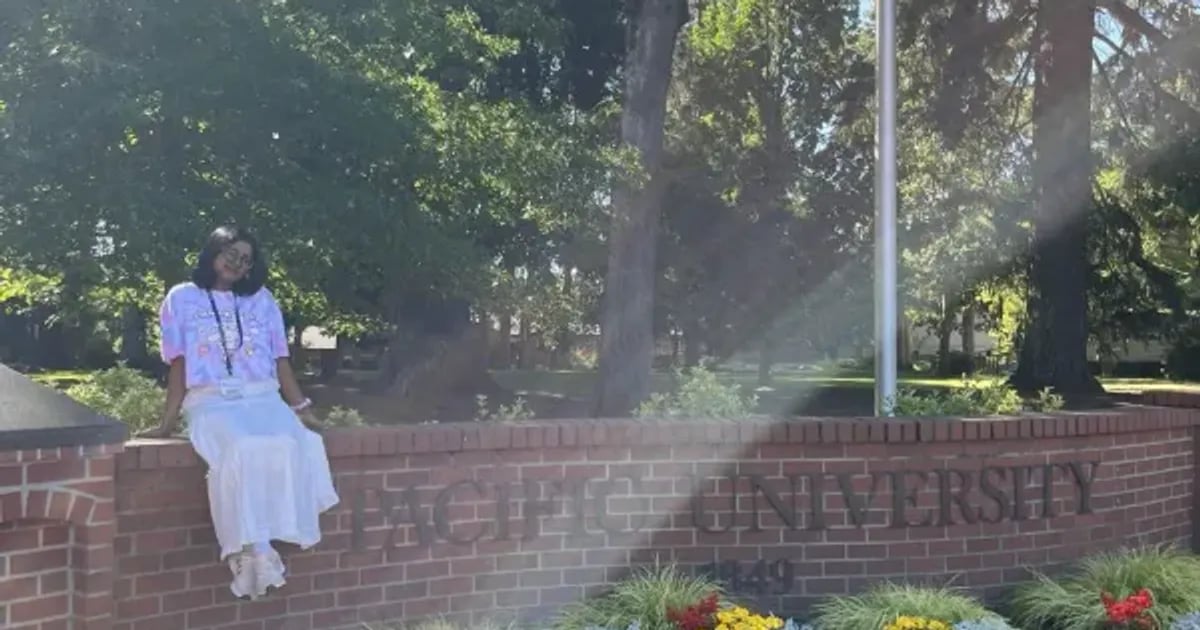
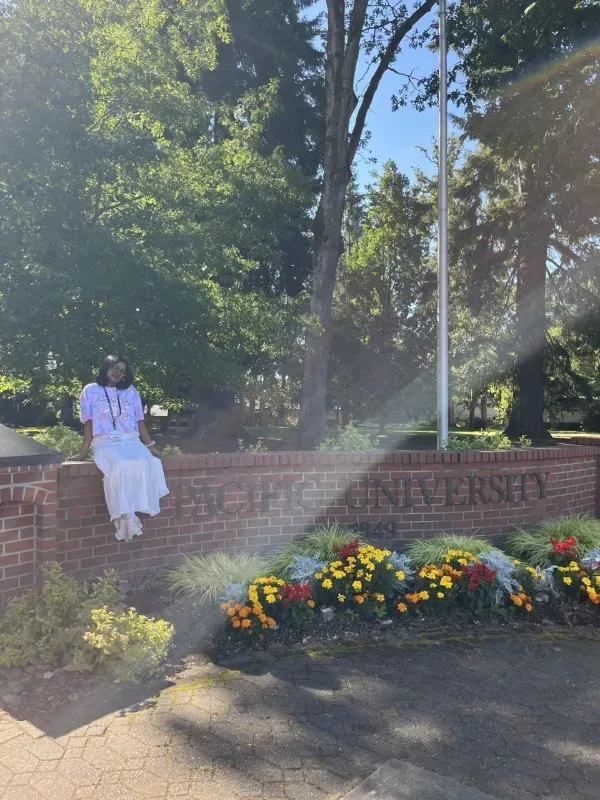
SSP lasted for 39 days — or 5 weeks — from June to July. We lived on campus at Pacific University located in Oregon, in their freshman dorms. There were 36 students, and all of us were in the same dormitory — although there were two different paths separating us by gender — and everyone had a roommate. In that way, staying at SSP gave me some campus living experience.
Meaningful Connections
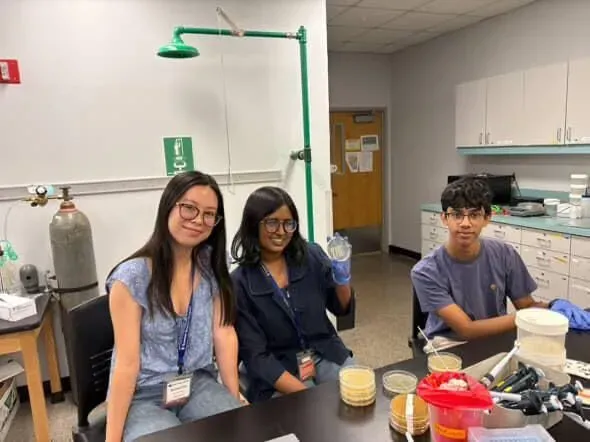
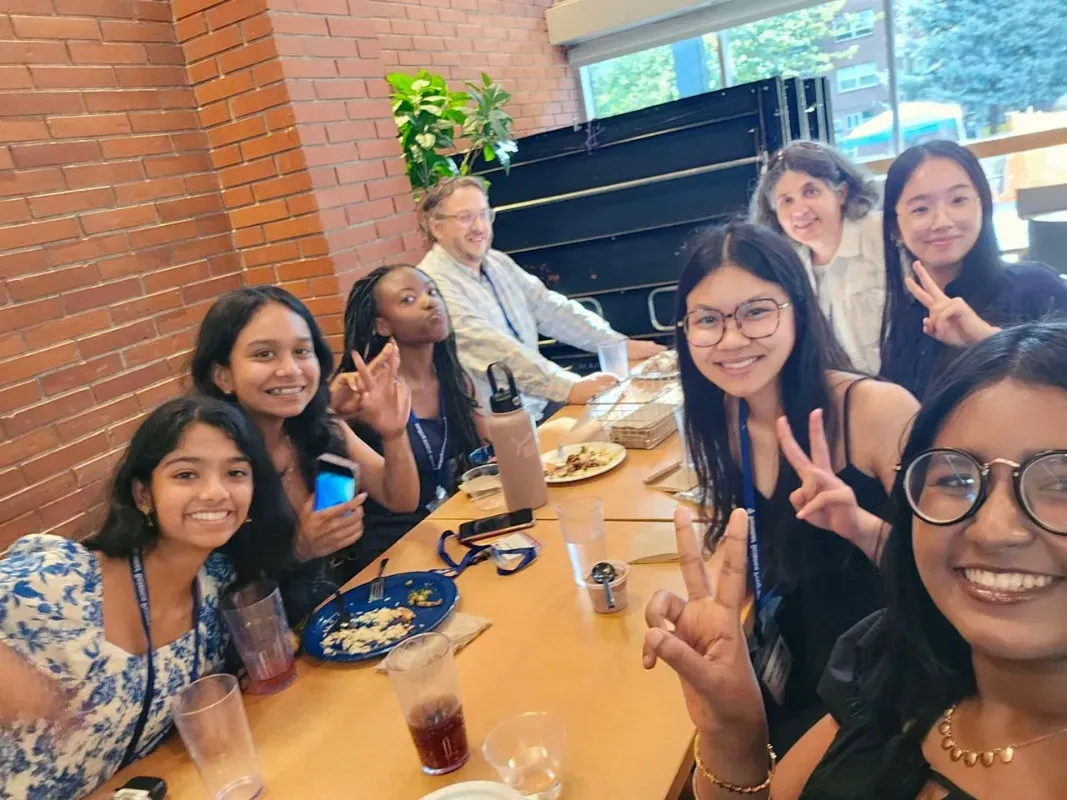
I made a lot of meaningful connections at SSP. I had a great connection with my roommate, who was really nice and so sweet. I had a whole lunch table of friends; as soon as we sat, we all just vibed and became a friend group, and we always sat together since then. We still talk on a daily basis, though not as much as we used to. We also got to spend time with the TAs (Teaching Assistants) and RAs (Research Assistants), who helped us with everything that we needed and whom we could always approach with anything that we wanted. I also had my group mates, in the lab. Finally, every week, we had assigned seats for our formal dinner with professors and sometimes guest lecturers. We used to talk about different things — about ourselves, our interests — and got to know each other. Every connection that I built there, with everyone, is really meaningful to me.
A difference in culture
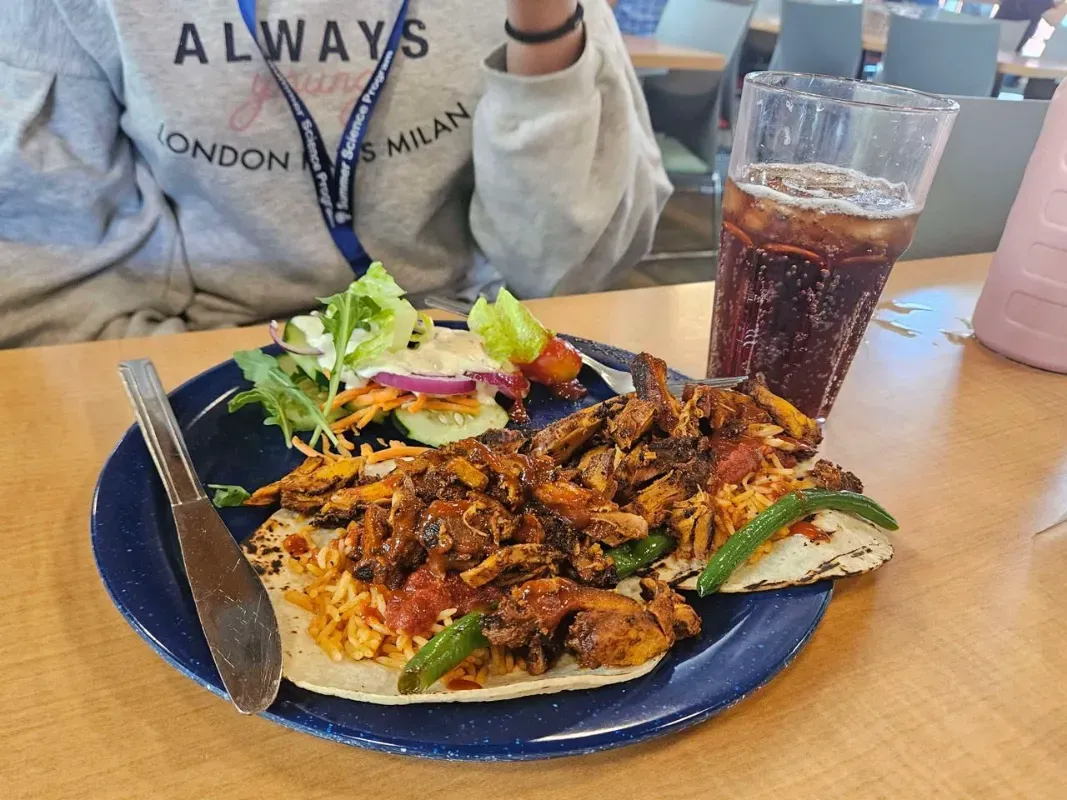
Moving to the Philippines helped me with adjusting to different countries and international settings, so I wasn’t new to the diversity of people. I was already getting along with everyone there, and I didn’t feel that I didn’t ‘fit in’ because I had already had that problem in the Philippines. But one of the culture shocks that I experienced was that even when it was 9 PM, it was still light outside. The sun used to set at around 9:10 in Oregon. It’s so crazy, because in Bangladesh and in the Philippines the sun used to set at around six and as late as 7 — but in the west coast, the sun sets at around 9 or 10. Another thing is that as soon as I landed in Seattle (I had three connecting rides, one of which was a domestic flight from Seattle to Oregon), there were random strangers talking to me in the airport. They were really nice, but it still surprised me. It had never happened to me anywhere else, but it’s a very common occurrence in America — people just talk to each other. When we were on campus, for example, the other students taking classes there would start a conversation with us, even though they didn’t know us at all. [Interviewer talks about hearing that receiving compliments from strangers on the street is a common occurrence in the States] …Yeah, and it isn’t just compliments — people would strike up random conversations while you’re walking past them. Once, we went hiking from SSP as a sort of field trip, and every time we passed a stranger, they would say things like “Oh, it’s so hot! Such sunny weather!”, and that was– crazy, actually. One more culture shock, I’d say, was the campus food. We were having lunch in the dining hall, and the food was insane — like, it was so good. Everything. There were so many varieties of food that I gained so many pounds from the 39 days, because we all ate a lot. And it was for free.
I didn’t really know much about the US — you only see the bad sides of it online. People always say the Americans are dumb, but when I went to SSP, I saw that people there are really smart. Well, to be fair, it is a prestigious program, but there are still a lot of misconceptions about this place online that you wouldn’t know about if you didn’t speak to Americans.
Visa
I didn’t have to go through the Visa process, thankfully — my parents had applied to the US earlier and gotten one already.
Interacting with people from all over the world
Interacting with people from all over the world is definitely one of the most significant aspects of international exchange programs like SSP. The purpose of SSP is to give students a campus experience. Universities are always diverse, so I suppose that for people who aren’t familiar with that kind of diversity around them, and as not all of the students were from international schools, it would’ve been the first time that they’re interacting with such a diverse group of people. It also helps you with moving onto US universities and getting used to how things work around there. And about how I personally felt about the people there… well, they were amazing. I got to know about so many people’s cultures. Six of us were international students and 30 of them were American, but even so they were often immigrants or children of immigrants, so we all came from really diverse backgrounds. And as they were also from parts of the United States, I got to know about the different states and their high schools and their dreams and about American news and everything — it was so insightful.
A typical day at SSP
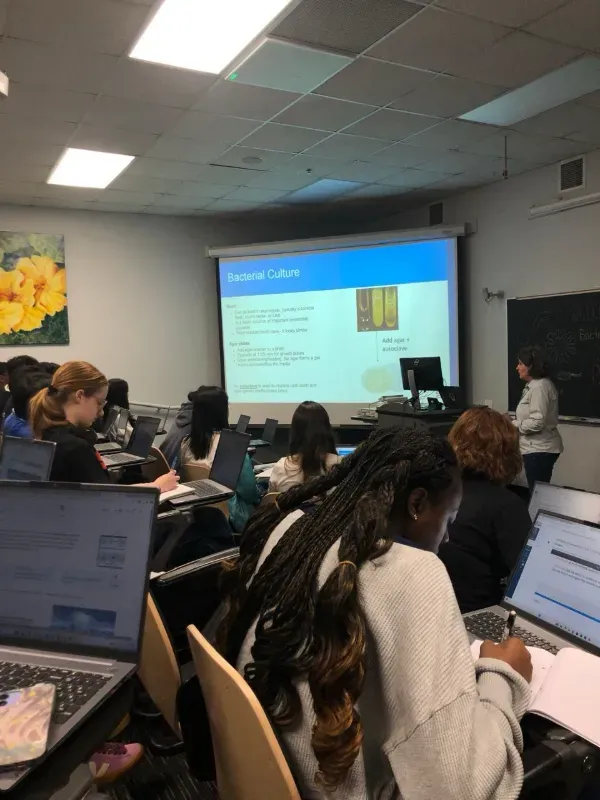
We used to work more than 10 hours a day. We were loaded with work mostly on the first few days, so we could relax a bit more near the end since most of the work was done. But, basically, we used to wake up at 8 in the morning and head down for breakfast before class at 9. Everyone used to be present for breakfast in the beginning, but later on we got lazy and nobody really went to breakfast anymore, save for a few people. Then, we had lectures in lab classes until a short break, after which were more classes. We had another small break to change into our formal clothes before going down to dinner. After dinner, we had an hour-long break to let us rest, though sometimes there would be a house meeting where the site director would talk to us, give us advice, or tell us about responsibility and stuff like that. Following this, we had more classes until 9 or 10 p.m. (depending on when they ended). On the first day, we worked until 11 p.m., which was pretty much insane to all of us: we were wondering, “how can we do this for a whole 40 days?!”, but eventually the workload got lighter. So, that’s about what a typical day was like.
The Project
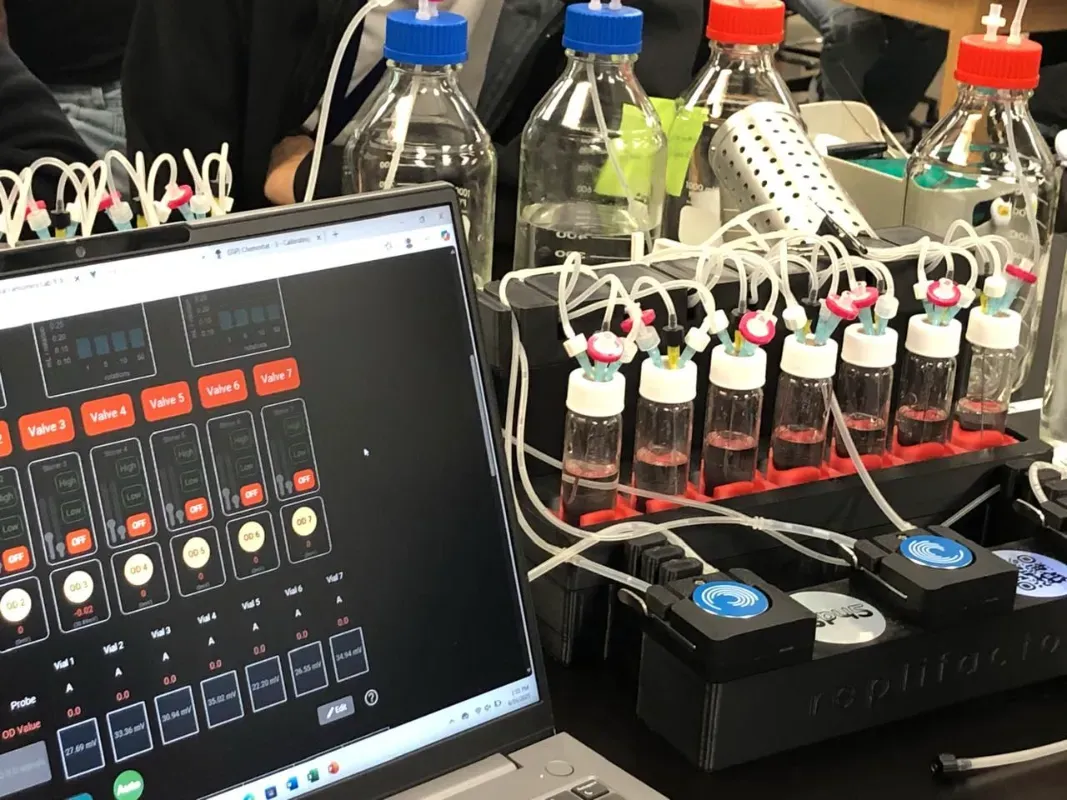
I was in the bacterial genomics program — so, what we did was that we grew a bacterial culture using a chemostat system, after which we had to put in the respective antibiotics. There were four different antibiotics and each group was assigned with a specific one. We had to put pressure on our bacteria using those antibiotics and grow our culture after putting the antibiotics in it. After that, we ascertained the bacterial growth using a spectrometer — so, we observed the growth that was happening and measured the optical density. After we observed a sudden increase, we would know that the bacteria had died, but there would then be an increase after that which demonstrated that some of the bacteria had mutated and started to grow again. Every time there was a rise, we had to run to the lab and collect samples, no matter the time — even if it was late at night or early in the morning. These samples were then frozen and later sent out for our primer design. We had our DNA, and, basically, we used our bioinformatics to compare our mutated sample with the wild type. This was an amazing project to me because I’m actually interested in genomics –– and now, I’m more familiar with how things work in this field.
One of the struggles that I personally faced was getting along with my group mates. We had a lot of problems in communicating; at times, some of us felt like we weren’t doing enough and other times that somebody was too smart and doing too much. This was eventually solved because we would get group counseling every once in a while. Our group had a lot of problems, some of us even cried because of them, but we had our talks and eventually we all came together to create a wonderful result.
This one is something that was felt by most of the people there — a sort of imposter syndrome. No-one felt like they belonged there; everyone thought they weren’t smart enough to be in the program. So, for that, we had a cultural capital almost every single week, where the professor would give us a lecture about belonging and reassure us that SSP “chose you for who you are and because we had something to offer to you.” Some of us still felt really dumb, and we would cry to our TAs every once in a while — myself included — especially since there were so many smart people around us. But, see, even the smartest people felt this way. We had a professor come to our program as a guest lecturer and even he said he feels that imposter syndrome sometimes. It’s always going to follow you around, but I hope that it eventually fades away and that I feel fulfilled with the things I do instead of thinking that I could be doing it so much better or that I am dumb. I should be looking at things positively, basically.
Major takeaways
During my time at SSP, I learned to live on my own. I’m an only child, and so I learned to live away from my parents and to live with other people and stay connected with them. I had my own room since I was four years old, so I was anxious about having a roommate, but it turned out that she was really nice and was so helpful in every way possible. Other than that, I also appreciate all the connections that I built there. I saw so much good in people, and it made me emotional in some ways because– _could people be that nice? _We all came from different backgrounds but we all somehow connected. These were the best days ever to me.
During a trip, we went to a biotech company, where we listened to a scientist’s speech. She said something that really stuck to me. It was that she always felt grateful that she wasn’t the smartest person in the room, because she could learn a lot from other people. There’s always a bright side to things, you know.
Another thing about SSP is that they teach you how to ask for help. This is one of the things they mention in their website because they make the curriculum so difficult. Like I mentioned, literally everyone cried there: some people were crying almost every single day because of how hard the study material was. And so, we were forced to ask for help from our group mates or our professors. During the SSP webinar they also told us that if we never learn how to ask for help, we were never going to make progress because science — and any type of job, really — is about collaboration, and you will always have to seek help from other people.
After the SSP
I was always interested in an exchange program and studying abroad, and after going to SSP and talking to so many people I also learned that I can do study abroad programs in my university years — so, I’m really looking forward to those, because I really want to meet and get to know all these people and their cultures. SSP made me want to travel in some ways, so I want to see more of the world. Along with that, I’m really excited to start my university as I already had a taste of university life at SSP, where we were living on campus and having lectures from professors, and it seems so much more fun than usual your usual high school settings because we’re all passionate about the topic we were studying. I’m really interested in neuroscience, and it’s a pretty niche topic, and I never thought I’d get to know people just as into it as I am. Same thing with astronomy: when I went to SSP, there people who were as interested in it as I am, and we got to talk about it and nerd out a lot. We generally talked about a lot of nerdy topics, something I’d never seen happening in high school. One of my friends, for example, told us she loved taking tests and that people thought she was crazy for that — and, admittedly, some of us thought she was crazy for that, too. But her explanation for that was so valid: she loves the adrenaline that you feel when you sense that you know the answer to every single question in the test. My friends, they’re, like, really insane people (I say this positively, of course). I met so many intelligent and interesting people there with insane hobbies. It was amazing.
I also like universities more than high schools in the sense that if something is focused on a particular subject, like a really specific subject, I love that. If I’m focusing on biology, for example, and I just want to study biology, I don’t want to study other subjects — and even if I have to, I still want to focus on one subject more than the others.
After graduating university, I have two paths that I think I might take: either doing a PhD or going to a medical school. I might also end up not taking either of these paths. I was always interested in medical school, but after doing SSP, I realized that “yeah, research is also cool,” so now I’m considering doing my PhD instead. I also found out that there is a program available called an MD-PhD program, which is a dual program where you can get a medical certificate — as in, you can finish medical school — at the same time that you work on a PhD program, so this is also an option I can decide to take after graduating university. Learning is fun, what else can I say? And, you know, success is not really measurable. As long as I feel fulfilled, I’ll be happy.
Parting Advice
One advice I can give you is to do your research, because unless you actually know the program — say, if you just know that it’s an exchange program and that you’re applying to it, but later find out that it’s something that does not align with your interests — then it doesn’t really matter what you do. If you do enough research, you can also always make a good impression that can really help you get accepted. During my application process, I was able to include so many details about the program because I would always check their YouTube channels and other platforms that I found. Every resources that they had available were online, and I made sure to make use of it. So, I’d suggest that you be like me and kind of be a stalker — a good one — and find out everything you can about the program that you’re applying to.
My final advice is: just send out the application. That’s my advice. If you never try, you will never know. I never thought I would get into SSP, but I applied anyways, because, as I told you, I always tried to seek out opportunities; I didn’t have many, but if there was anything I could apply to, if there was anything I could do, I always sent in an application. I think that that is one of the things people should do, always — take advantage of the resources provided to you. Even if you don’t feel like you aren’t smart or qualified enough, it doesn’t hurt to apply to things that are free, such as SSP. Sending out an application can be hard — in fact, I almost didn’t want to apply to SSP because of the fear of failure. I mentioned earlier that I always try to remotely apply to volunteering jobs; so, there was an internship for an organization, and I ended up having my first ever interview when applying to it. I thought that I did pretty well as I had really prepared for it, but then I got rejected. After that, I felt really demotivated; after all, it was just a silly interview, a silly little volunteering job that wasn’t even a high impact sort of thing, so why would they reject me? And so, when applying to SSP, I couldn’t help but think, Oh my God, I’m going to get rejected again and that’s going to demotivate me even more. I was thinking to back out at the very last moment because I was being really lazy refining my essays and just doubting myself, but, in the end, just for the sake of sending out the application, I ended up applying. And that turned out to be one of the best things that ever happened to me. That’s why I mean it when I say, send out the application. You never know until you try. Failure is part of everything. It should not demotivate you — and, yes, it demotivated me and I’m saying it, but it should not. I’m also working on learning these things; to not get upset by failure, and to keep in mind that we can always learn from our mistakes and try again.