


Why the US Over Canada
My name is Victoria, and I'm a computer science student at Georgia Tech. But a few years ago, I was just another student at Havergal College, a private all-girls school in Toronto.
My parents have relatives in the States, and they'd always heard about the opportunities there - especially in tech. That's why they chose Havergal for me. As a CS major, Silicon Valley is the dream. The tech industry there is huge, and I wanted to be part of it.
I still applied to Canadian schools - Waterloo, Western Ivey, and Queens - and got into all of them. I also threw in a few Ivy League applications as a shot in the dark. But my final decision came down to Georgia Tech versus UMichigan.
Georgia Tech won for two reasons: the CS program is ranked #5 nationally for undergraduates (UMichigan is #7), and it was half the tuition of UMichigan for arguably the same quality of education. My mom also factored in Michigan's brutal winters - she wasn't about to let me freeze for four years.
Choosing Georgia Tech over Waterloo wasn't easy. But I wanted something different - a campus with frisbees on the quad, Greek life, the whole American college experience. Georgia Tech gave me that.
The Marathon Application Season
Right at the start of summer after grade 11, I started drafting essay responses and organizing my activities. I applied early action in November and heard back in February - pretty early compared to most people.
When that acceptance email came through, I literally screamed. It was my first big US school acceptance, and suddenly, everything felt real. I'm so glad I applied early - having that security blanket made the rest of the application season way less stressful.
I also heard early action was slightly easier to get into. Plus, I just wanted to get it over with.
The application fees added up fast. Each Common App school costs at least $70-90 USD, and I applied to almost 20 US schools. Combining that with SAT costs, the total came to over $1,500.
I prepared hard for the SAT the summer before grade 11, focusing on my weaker reading and writing sections. My first try produced a 1530, but I thought I could do better. The second time? 1570 (800 math, 770 reading). Don't be afraid of that retake!
My school didn't use GPA, but my average was around 95-96%. Since Havergal is English-based, I didn't need to take the TOEFL.
Building a Robotics Empire
For extracurriculars, I listed 10 activities on my Common App, but I focused on my top 5. Robotics was number one, and has been since I was 7.
I did robotics outside of school with a community FTC team, and we went to Worlds twice. I was a programmer on the team - it was an incredible experience.
The world was surreal. You're in this massive arena with teams from all over the globe, everyone's robot is doing something cool, and you're trying not to completely malfunction on stage. I learned more in those two competitions than I did in years of classroom CS.
At Havergal, I was also the robotics club head. I highlighted how I brought engagement to the club, raised the budget through a proposal, and recruited new members. As an all-girls school, we didn't focus much on STEM - Model UN and DECA dominated. So building up the robotics program felt like a real accomplishment.
I started coding in grade 2 because of my dad. He used to work in IT but hated it and left. Wanting to see if I'd be interested, he introduced me to Scratch. I wasn't sold, but after a year, I picked it up again for fun and realized I actually enjoyed it. It made way more sense when I was older. Since then, I've been in love with robotics and coding.
Last summer, I volunteered to teach kids Scratch and 3D CAD. Beyond academics, I also swam for my school and worked as a swim instructor and lifeguard. I think that made me seem more well-rounded, showing both volunteer work and paid job experience.
The Essays Grind
The infamous US application essays nearly killed me. Writing is not my strong suit, so putting words together was difficult. But I researched each school thoroughly and genuinely tried to find things I'd actually enjoy when I got there.
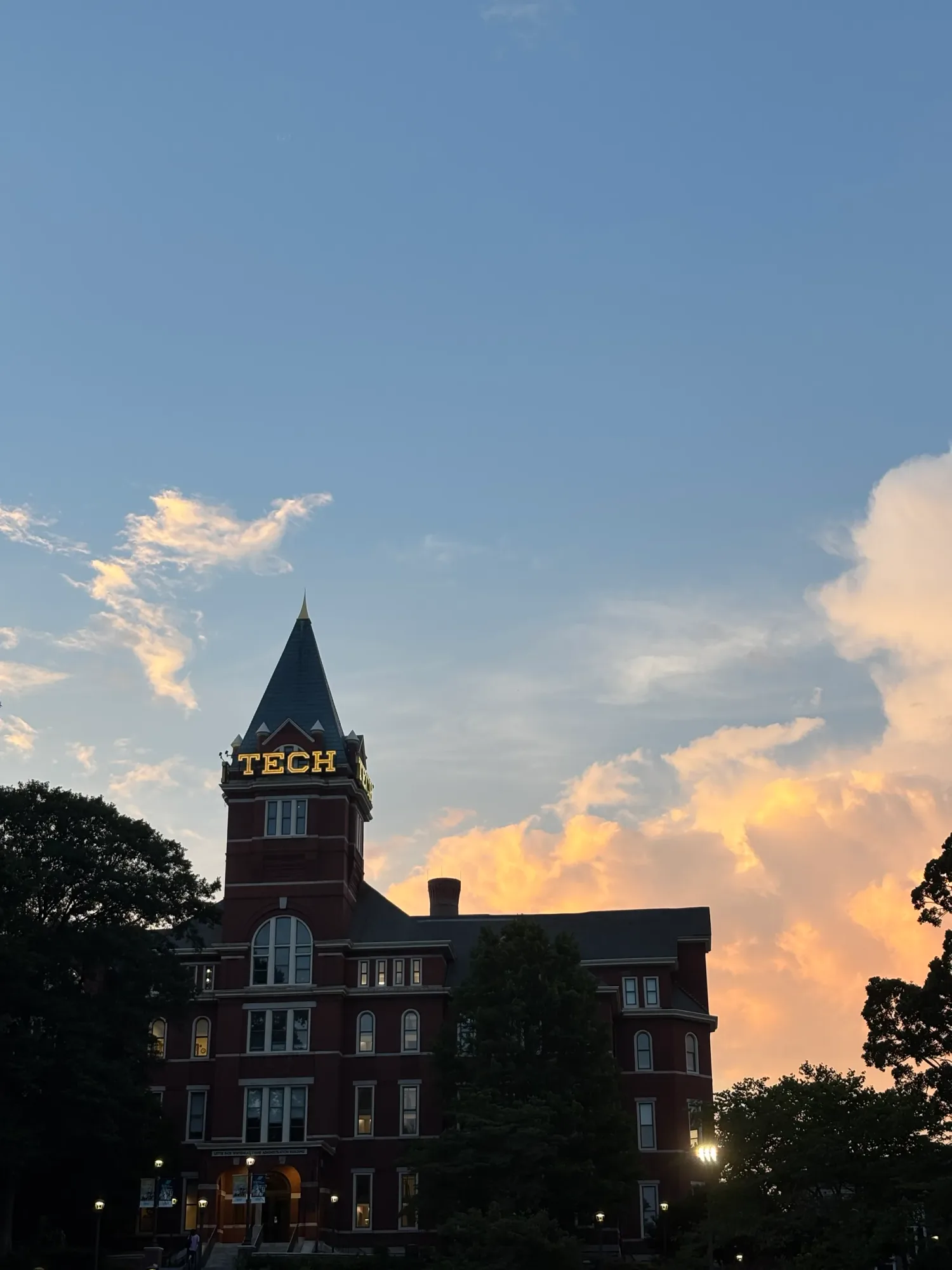
For Georgia Tech's "why us" essay, I wrote about RoboJackets, their competitive robotics team. I researched them, wrote from genuine passion, and actually ended up joining RoboJackets once I got to campus!
At Havergal, almost everyone goes to the States. But when it came time to actually apply, the guidance counselors weren't super helpful.
They focused almost entirely on Canadian schools. They'd help me talk through essay topics, but unfortunately, they didn't know much about the US application process. I had to find resources online and reach out to alumni - people who'd graduated the year before and gone to US schools.
My advice: Look at lots of essay examples for inspiration. Start early! Plan out what you want to say, and use specific examples of real things you'd enjoy about the school. Admissions officers can tell when you're being generic.


The Canadian Visa Advantage (And the Restrictions That Come With It)
The I-20 Process
As a Canadian, I got lucky with the visa process. I just had to apply for the I-20 through Georgia Tech, which took about 1-2 weeks and came with a small fee. My friends from China had to do full F-1 visa interviews - I skipped all that.
When I realized I wouldn't have to do an interview, I was so relieved. Being Canadian meant one less thing to stress about.
But I still have to carry my visa documents every time I travel. Going home to Toronto for breaks means bringing my I-20, my passport, and all the paperwork. It's a whole thing.
Work Restrictions: The Fine Print
Despite getting the visa, it can get complicated. In the first year, I can only work on-campus. No off-campus jobs, no remote internships, nothing paid outside of Georgia Tech.
Even for summer internships, I have to go through a long process to get a CPT (Curricular Practical Training) permit from the school. It's bureaucratic and very confusing.
The school's international student portal is honestly quite overwhelming. There's so much information, and I felt completely lost when I was trying to apply for my Social Security number a few weeks ago.
On-Campus Work
Not a huge percentage of students work on campus, but some do - I know someone with a paid research position.
I saw a job posting at the gym and applied to be a lifeguard at the campus pool. I work 10-12 hours a week, but it's not about the money (although that helps). I mostly wanted to get a Social Security number and to feel more integrated into the US.
In high school, I juggled multiple jobs and volunteer work, so I'm used to balancing everything. I came into college knowing I'd have to make time for activities, work, and classes.
What Studying in the US Actually Costs
My first-year total cost was around $50,000 USD - that included tuition, housing, meal plan, and other fees.
For 2024-2025, Georgia Tech's out-of-state undergraduate tuition is $34,484 per year (in-state is just $12,058).
Georgia Tech gives tons of financial aid to in-state students. Some of my Georgia friends are paying almost nothing because it's such a big public school. Compared to them, international students are definitely paying a lot.
But compared to other US schools? It's way less. And that's why I chose Georgia Tech over UMichigan - literally half the cost.
Georgia Tech doesn't offer financial aid to international students. Almost all the schools I applied to were the same. I got merit scholarships from a few smaller colleges like UMass Amherst, but in general, scholarships for internationals are rare. My family pays my tuition.
The Exchange Rate Tax
Budgeting is critical. I shop at Publix and groceries are pretty standard prices, but the exchange rate is a constant reminder that I'm spending way more than it looks.
I'll see something for $12 and think "oh, that's not too bad," and then I convert it to Canadian dollars and I'm like... okay, never mind. Every purchase feels 30% more expensive than it should.
When I got to Georgia, I had to switch from TD Bank to Bank of America and open a whole new account. I didn't even know how to transfer money at first - my dad handles all that now and gets better exchange rates than I could.
The Housing Lottery
First-year students all live on campus in designated freshman dorms. But after that, it's a gamble.
It used to be almost guaranteed for second-years, but Georgia Tech recently changed their policy. They're distributing housing more evenly across second, third, and fourth years now. I applied to live on campus for my second year, but I didn't get it. A lot of my friends didn't either.
Finding out I didn't get housing was stressful. I had like two months to figure out where I'd live, tour apartments, compare prices - all while finishing finals. Fortunately, there are tons of student apartments right outside campus, so it worked out.
I toured a few places, compared rent and amenities, and ended up with an apartment for $1,150 USD per month.
How AP Let Me Graduate a Year Early
The Self-Study Grind
Havergal offered 4-5 AP courses, but I self-studied way more. At school, I took AP Calculus AB, but I studied for and took the BC exam (got a 5). I also took AP Stats and AP French (got a 3).
Outside of school, I self-studied AP Computer Science A (5), AP Microeconomics (4), AP Macroeconomics (4), AP World History (4), and AP Physics C (4).
Self-studying APs while keeping up with regular schoolwork was brutal. April and May turned into a constant cycle of textbooks, practice tests, and outside tutoring classes. I was exhausted, but I knew it'd pay off.
And it did.
Because of my AP scores, I came into Georgia Tech with 28 out of 126 required credits. That's more than a semester's worth of work I didn't have to do.
Georgia Tech didn't take my AP Stats credits, but they took Calculus BC. For Physics C, they normally only give credit for a 5, but I took a placement test and got the credit anyway.
I'm also studying abroad this summer, so I'm on track to graduate in Spring 2028 - a full year early.
Alumni Advice
I learned about graduating early from another Toronto student. He went to a school close to Havergal, graduated from Georgia Tech in three years, and is now doing a 3+1 bachelor 's-to-master's program.
Before meeting him, I had no idea that was even possible. But after he explained his path, I realized I had the same opportunity. My family loved the idea - one year less of tuition, and I'd enter the industry faster.
The Journey Across the Border
My family decided to drive to Georgia instead of flying. Fifteen hours total, but it meant I could bring way more stuff - like my huge whiteboard, which wouldn't have fit on a plane.
The drive itself wasn't bad. My mom, dad, and I took turns behind the wheel, and my sister kept us entertained from the back seat.
But the border crossing? That was intense.
We went through the Detroit border, which I'd never used before - we usually go through Niagara. It's smaller, but I didn't realize how much more serious it'd be because I was on a student visa.
Every other time my family's traveled to the US, we just show our passports and wave through. But this time, we had to go into an office. The atmosphere was tense. You could feel it.
They took our car keys and searched the entire vehicle - opened every door, checked every bag. Inside the office, we had to sign forms and answer questions. It felt like we were under investigation.
I kept wondering, "What are they even looking for?" My parents stayed calm, and eventually they let us go. But it was way more intense than I'd expected.
Welcome to Georgia Tech
Move-In Day Chaos
My first week at Georgia Tech was overwhelming, hot, and exhausting. My dorm didn't have an elevator, and I will never forget hauling suitcases up three flights of stairs in 90-degree heat, absolutely drenched in sweat.
I'd met some people online through unaffiliated student Instagram pages before arriving, so I went to grab food with them my first night. Getting to know people beforehand was clutch - it made those first few days way less lonely.
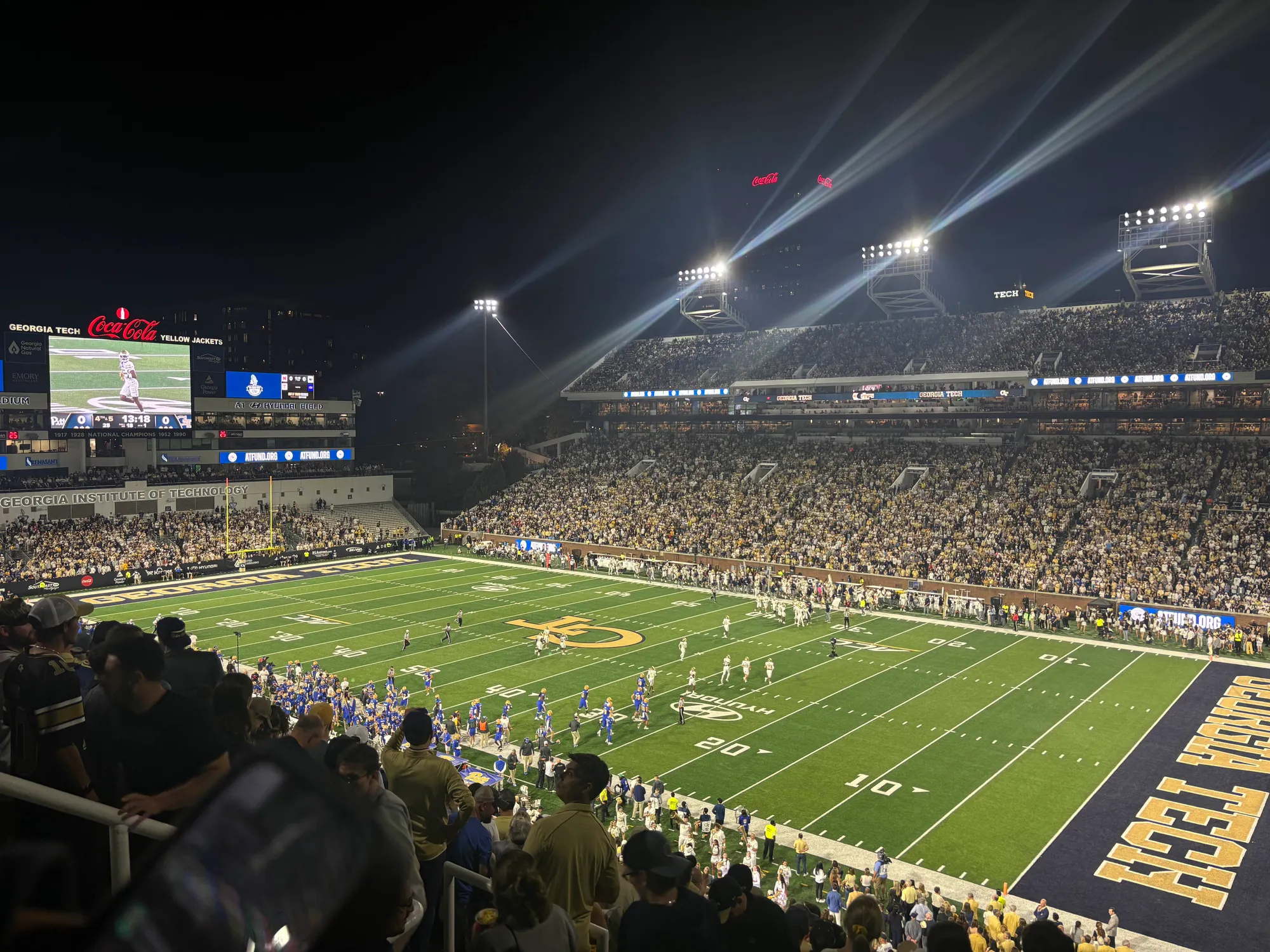
I explored campus, attended convocation (where they teach you about Georgia Tech traditions), and went to a massive freshman mixer on a field.
Culture Shock? Not Really
Coming from Toronto, I didn't experience much culture shock. Georgia felt pretty similar, honestly.
People did point out my Canadian accent, which I didn't even realize I had. Certain words apparently sound "Canadian" - I still don't hear it.
I was surprised by some food chains (Waffle House is everywhere), and I also expected people to be more "Southern"...but they weren't really.
The biggest adjustment was realizing I wouldn't see snow for months. Toronto winters are brutal, but they're also... familiar? It felt strange walking around in January wearing a T-shirt.
How YYGS Prepared Me
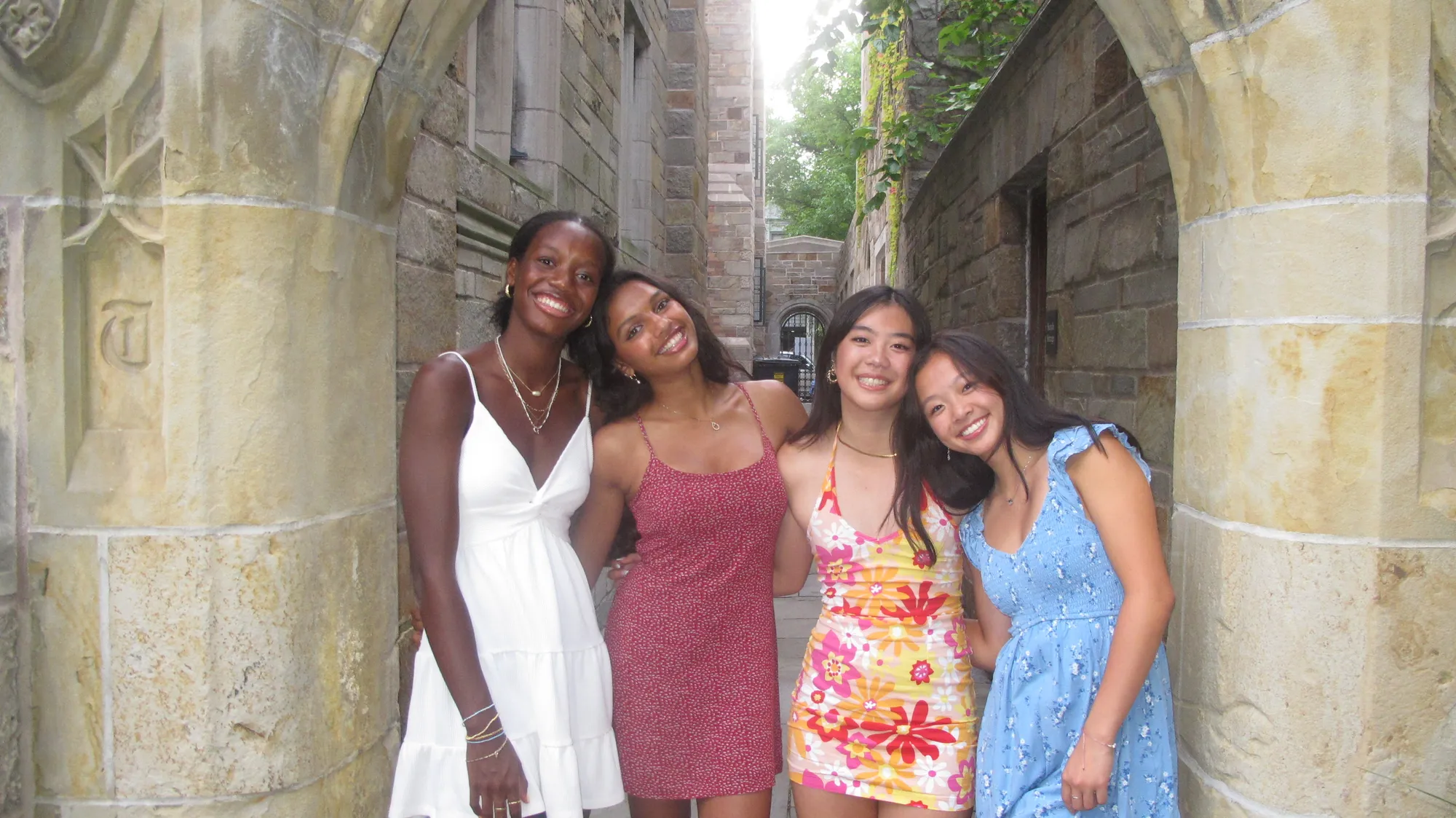
I'm more of an introvert, but I've done summer programs like YYGS (Yale Young Global Scholars) before. That taught me how to talk to strangers and put myself out there - skills I definitely used during my first week.
Meeting people before I stepped on campus helped too. We'd already spoken online, so when we met in person, it felt less awkward.
If you keep seeing someone on campus, just walk up and say hi! Georgia Tech had so many events - mixers, welcome sessions, club fairs. Just show up and talk to people. Opportunities are everywhere if you're looking for them.
Finding My People
The Campus Vibe
Georgia Tech definitely has a strong campus culture. There's this place called Tech Green where you see the classic college scene - people throwing frisbees, studying on blankets.
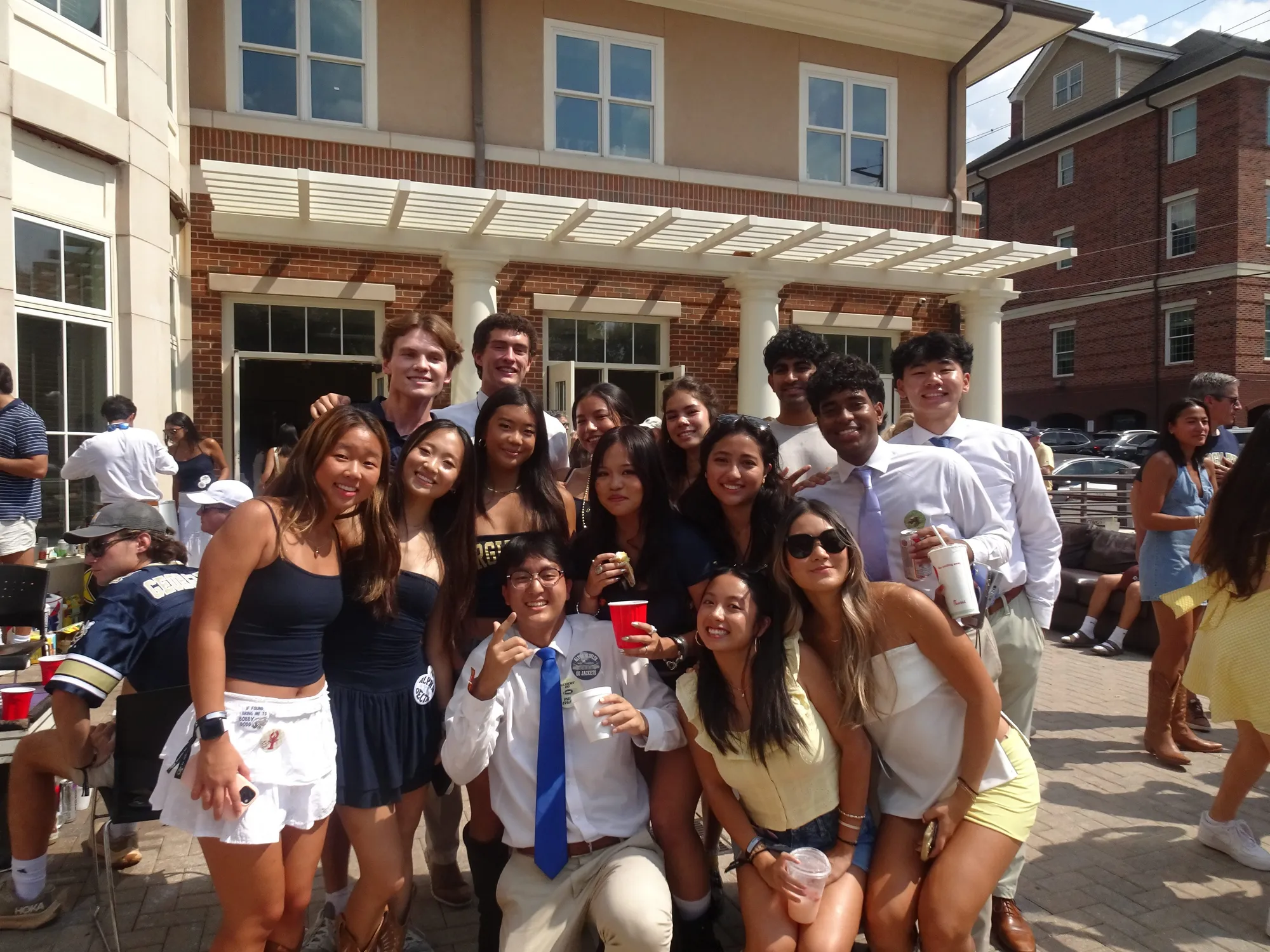
Walking past the frat houses for the first time, I was like, "Wow, this stuff actually happens." Growing up in Canada, where Greek life barely exists, seeing real-life fraternities felt surreal - like I'd walked into a movie.
The freshman dorms are all close together, which is amazing for meeting people. I live on East Campus, which is known for being more social. That's partly location, but also partly self-selection - people who want a social experience choose East.
West Campus is on the opposite side and is way quieter. Different vibe entirely.
Greek Life & Dorm Life
Greek life is huge here - about 25% of male students and 32% of female students are involved. There are 30 fraternities but only 8 sororities, so the sororities are way bigger. And honestly, that's why I didn't join.
I rushed, went through the whole process, but ultimately decided against it. The fees were expensive, and because the sororities are so massive, it didn't feel like I'd get much out of it. If I were a guy, I'd probably rush a frat - they're smaller and seem more worth it. But for sororities? I passed.
You can pick your roommate at Georgia Tech, which is great. I met mine on Instagram. While living with someone I'd only met online was a gamble, it's common and it worked out.
The living spaces are small and a little cramped, but at least we have a single-gender communal bathroom. I'm used to sharing space - my sister and I are only two years apart, so I've always had someone around.
Clubs: iOS, RoboJackets, and Hackathons
I'm in the iOS Club, where I'm on a project team building an app with Xcode. I also did a hackathon a few months ago, which was a blast.
Work-life balance for CS here is solid. I have plenty of time outside of class to work on side projects, which is rare for a STEM major.
Getting into clubs isn't super competitive. Some have dues, but not all. I'm also in Women in College of Computing, which provides tons of opportunities and is free.
And of course, I joined RoboJackets - the team I wrote about in my Georgia Tech application essay. I'm on the RoboWrestling sub-team as a programmer.
There was an onboarding process where I had to learn new languages and tools, but it's been amazing working closely with hardware people in a smaller team.
The Ontario Curriculum
Havergal followed the Ontario curriculum, which... isn't great for math. It's not very in-depth. Our school, especially, wasn't good at preparing students for university-level math - a lot of people struggled.
I knew this going in, so all four years of high school I took classes ahead outside of school. Extra tutoring, online courses, whatever I could find. It was exhausting, but it meant I wasn't blindsided when I got to Georgia Tech.
My first semester was a breeze because of my AP credits. I didn't have to take many classes, which gave me time to adjust.
A lot of in-state students had the opportunity to do courses like linear algebra with dual enrollment, so they already had the credit. But most students actually in my class were also seeing the content for the first time, so I don't think I was at too much of a disadvantage, honestly.
Academics: What It's Actually Like
My Current Classes
This spring semester, I'm taking:
- CS: Discrete math, data structures & algorithms
- Physics 2 (not required, but I'm taking it since I have Physics 1 credit)
- English (still required - I'll explain)
- Health (another requirement)
Georgia Tech actually has a lot of core requirements, even for STEM majors. My Canadian friends in CS are totally done with English and history. But I had to take both last semester, and I'm still taking another English class this semester.
At first, I was annoyed - I came here to code, not write essays. But honestly? It's a good balance. I didn't have STEM courses in high school solely either. I took world history in grades 11 and 12, and I think it's a different way of thinking. Writing skills matter, no matter the industry.
The Workload
Most weeks, the workload is pretty chill. But when midterms hit? It's chaos.
My two CS courses and physics all have midterms that line up within the same week. Those periods are brutal - you can feel the stress radiating across campus. The library is absolutely packed. Everyone looks like they haven't slept in days. Because they haven't.
But between those peaks, it's manageable.
As a first-year student, most of my STEM classes are huge - at least 100 people. But as you get into more advanced courses, class sizes shrink. My English class only has 20 people, which is nice.
There is tons of academic support. For CS classes, we have optional recitations run by TAs. My big classes have 10+ TAs, which is wild. There are also "plus sessions" for extra practice problems and office hours if you need one-on-one help.
Why I Know I Made the Right Choice
The Culture That Sold Me
I know I made the right choice every time I think about the opportunities here.
The hackathon I mentioned earlier was a turning point. It wasn't just about building something cool. It was about being surrounded by passionate people who geek out over the same problems as me.
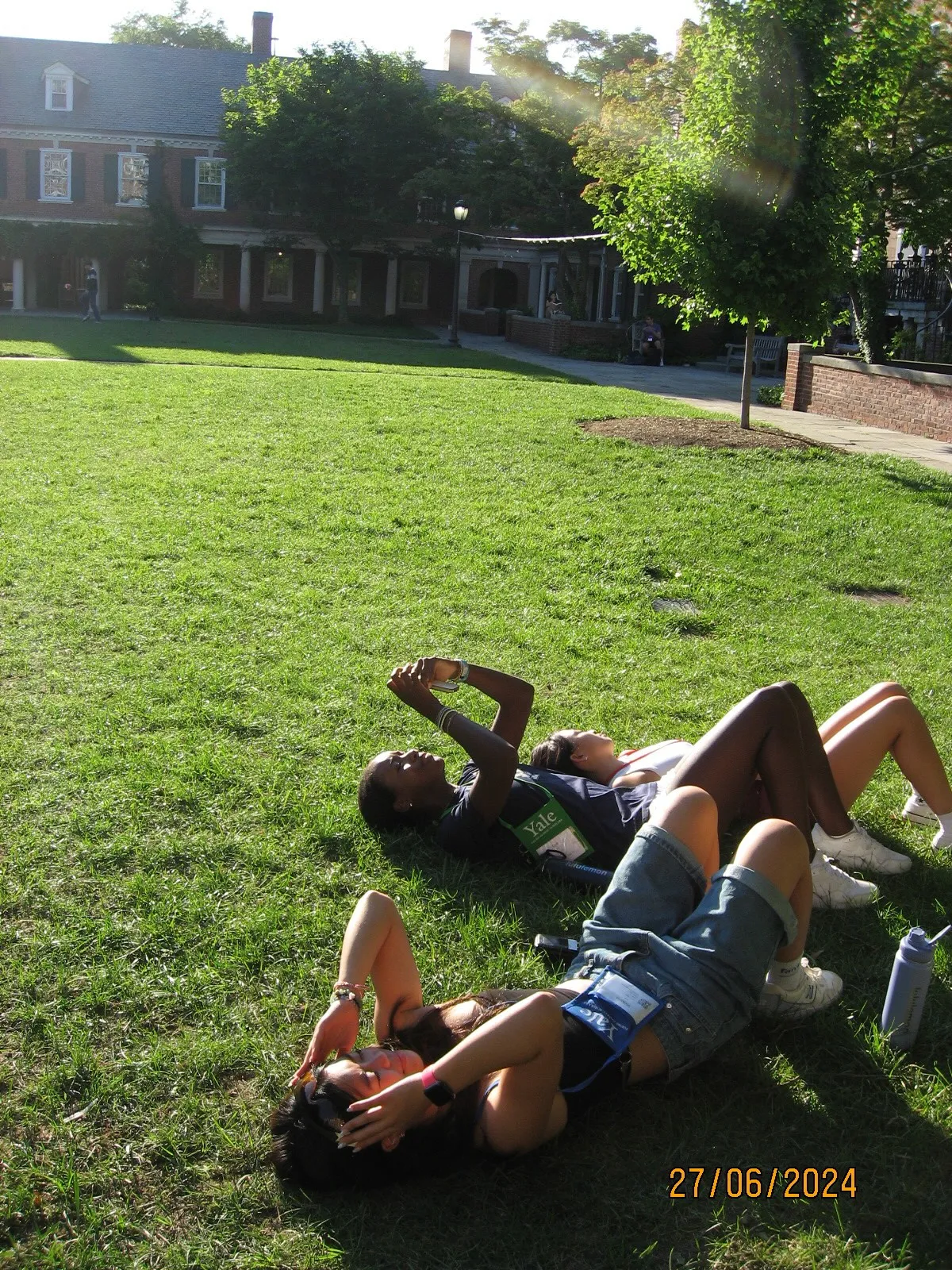
I have a friend who's pitching their hackathon project to Y Combinator. Y Combinator. That's insane. And it's not even that unusual here - people are constantly working on side projects that could turn into real companies.
Career Support That Actually Delivers
In my intro to CS class, one of the first things my professor said was: "My job is to get you a job. I promise you guys are going to get jobs."
Hearing that was such a relief. CS unemployment rates are high right now, and everyone's stressed about it. But Georgia Tech has our backs.
There are so many resources here - career fairs, mock interviews, resume reviews. The career center is incredibly helpful. And the fall and spring career fairs bring tons of companies, especially from Atlanta's growing tech scene.
This summer, I'm studying abroad in Berlin, Germany. I'm so excited I could scream. The program is CS-specific - I'll take four CS courses for 12 credits, which is huge for staying on track to graduate early. But beyond that, Berlin has this insane startup culture that I can't wait to experience.
I chose to study abroad partly because getting a freshman internship is nearly impossible. Companies won't even take your resume at career fairs if you're a first-year. So instead of mourning that, I'm going to Berlin to learn, explore, and be surrounded by other CS students doing cool things.
What's Next
My Path: Industry Over Research
I've decided to go into industry rather than research. Probably software engineering, maybe something design-related.
Georgia Tech's CS program has "threads" - basically concentrations. There are nine total, and most people choose Intelligence because...you basically have to. It's where all the AI/ML content is.
I also chose the People thread because I'm interested in human-computer interaction (HCI). That's the app development side - designing interfaces, thinking about user experience. I've always wanted to build solutions that help people, apps that actually make a difference.
Post-Grad: The H-1B Gamble
My goal is to stay in the US after graduation.
But it's a lot harder now.
Companies have to sponsor H-1B visas for international students, and a lot of them just... don't. It's expensive, it's bureaucratic, and they'd rather hire someone who doesn't need sponsorship. For FY 2025, there were over 470,000 H-1B registrations competing for just 85,000 available visas - roughly a 20% selection rate in the lottery.
It's frustrating. I've spent four years here, paid out-of-state tuition, built my entire network in the US - and there's still a chance I'll have to leave because of visa issues. That's the reality of being an international student in the US.
To Every Student Wondering If It's Worth It
If I could give one piece of advice: do your research. But more importantly, talk to real people.
Everyone's experience is different, but most people I know love it here.
The application process is a nightmare - I won't lie about that. The essays, the fees, the uncertainty. But once you're here? It's worth it.
The college culture in America is just different. Greek life, campus events, the whole "college experience" thing - it's real, and it's fun.
The US application process is also way more holistic. They don't just look at your grades - they see you as a whole person. Your extracurriculars matter. Your essays matter. Your story matters.
My final word: Go for it. Don't let the fear of leaving home, the visa complications, or the cost scare you off. If you want it, make it happen.
I did. And I'm so glad I did.