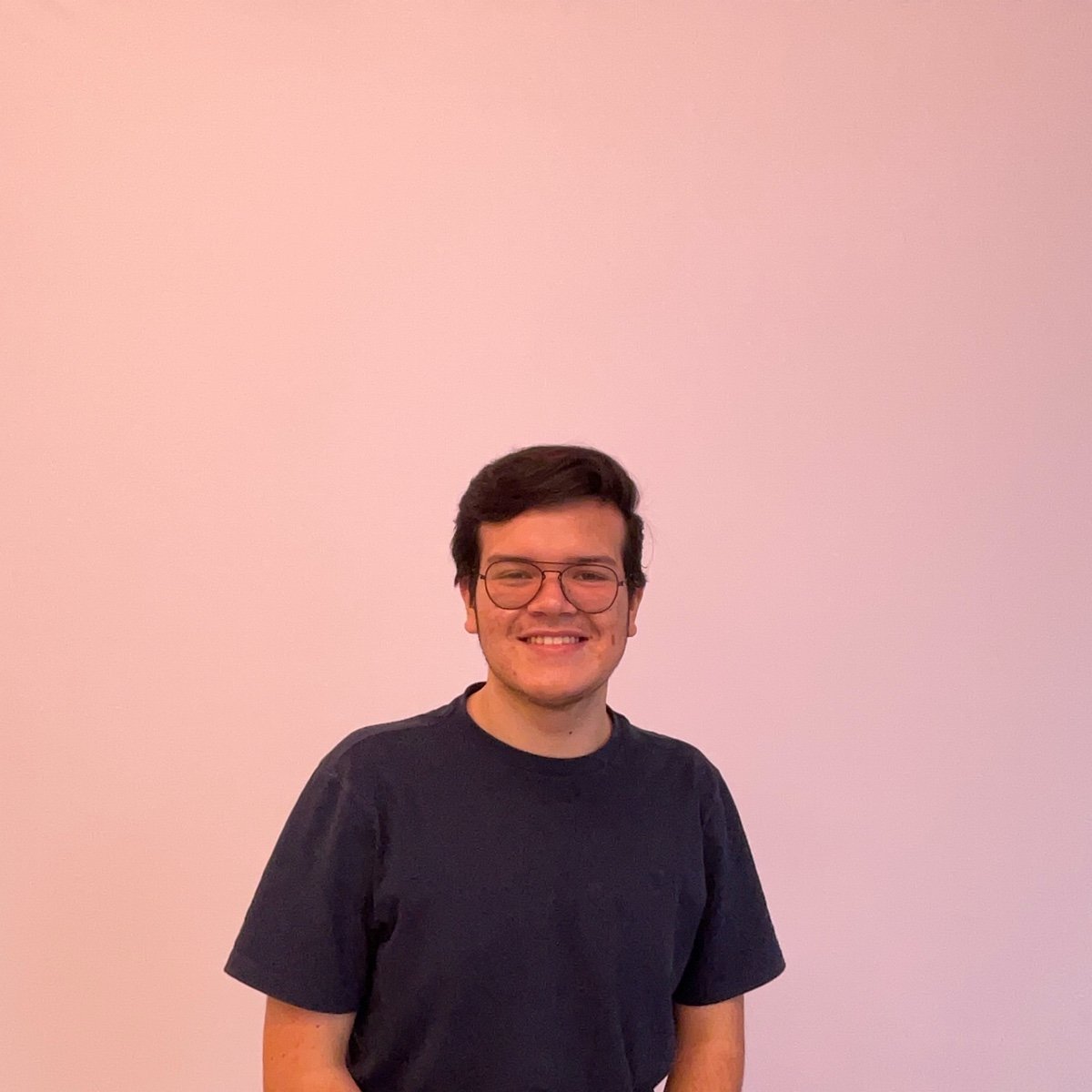


There are moments in life when a single decision carries the weight of multiple futures. For me, that moment came when I had to choose not only where to study, but who I wanted to become.
My name is César Alejandro Santos, I am 19 years old, and I am currently pursuing a degree in Business Administration at Hult International Business School in London. While this path may now appear clear, the process of arriving here was marked by uncertainty, careful deliberation, and significant personal reflection.
The Lasting Impact of the IB
Prior to university, I completed the International Baccalaureate, an experience that proved both demanding and formative. The program challenged me academically and personally, requiring a high level of organization, critical thinking, and self-awareness. While my final results did not fully meet my initial expectations, the experience itself was invaluable. It taught me that setbacks do not define one’s trajectory; rather, the ability to reflect, adapt, and continue forward is what ultimately shapes success.

Between Two Distinct Futures
At the conclusion of my secondary education, I was presented with two remarkable opportunities. I had been admitted to the University of Navarra in Pamplona to study Philosophy, Politics, and Economics (PPE), a program closely aligned with my longstanding academic interests. Simultaneously, I received a full tuition scholarship to attend Hult, where I would pursue Business Administration in a global, practice-oriented environment.

Each option offered clear advantages, yet they represented fundamentally different trajectories. The University of Navarra is widely recognized for its academic rigor, particularly within the humanities and social sciences. Its environment would have allowed me to deepen my understanding of disciplines I was already passionate about, within a structured and intellectually demanding setting.
In contrast, Hult offered something less traditional but equally compelling: a global educational model, exposure to multiple international campuses, and direct access to major economic centers. It represented not only a different field of study, but also a different pace of life and a broader professional horizon.
Choosing Growth Over Familiarity
Although my natural inclination leaned toward PPE, I ultimately chose Hult. This decision was not based solely on academic preference, but rather on a broader evaluation of long-term opportunities and personal development.

I recognized that studying Business Administration in London would allow me to build a foundation in areas where I had less prior experience, particularly in finance and global business. At the same time, it would position me within one of the world’s leading financial centers, alongside cities such as New York City, thereby expanding my professional prospects.
Equally important was the opportunity for personal growth. Remaining within a familiar academic framework would have been intellectually rewarding, but stepping into an unfamiliar environment required adaptability, resilience, and independence, qualities I considered essential for my development.

My application process
From my experience, the application process was quite straightforward at the beginning. I only needed to submit my academic transcripts, specifically my predicted and final grades from the International Baccalaureate, along with two letters of recommendation and a personal component, which could be either an essay or a video. However, the process became much more demanding when it came to applying for the full scholarship. The first stage involved writing an essay in which I reflected on my experiences as a student and demonstrated how I embodied the program’s values. Even though I knew my essay had technical flaws, I was confident in its core message, and that’s what helped me move forward. After that, I advanced to the interview stage, which was all about expanding on my essay through my personal experiences. I prepared by practicing potential questions, but what truly made a difference was being completely honest and answering with genuine passion. I didn’t try to say what I thought they wanted to hear. I focused on expressing what I truly believed and had lived. In the end, the decision was communicated to me directly, and while the scholarship covers full tuition, I also learned that it does not include living expenses, so being financially prepared for that aspect is essential.
Life in a Global City
Relocating to London marked my first experience living independently. The transition was both challenging and transformative. London is a city defined by its scale, diversity, and pace; it demands initiative and constant adaptation. The cost of living is notably high, with expenses such as housing, transportation, and daily life requiring careful financial management. However, these challenges are accompanied by unparalleled opportunities. Through my university, I have engaged with professionals, visited institutions such as Bloomberg, and begun to establish a network within an international context.
In such an environment, however, opportunities are abundant, but they are not passively received. Success depends largely on one’s ability to actively seek them out, utilize available resources, and remain persistent in the face of competition.

Professional Development and Responsibility
During my time in London, I have come to understand the importance of balancing long-term career development with immediate responsibilities. On one hand, I have taken advantage of academic and networking opportunities that contribute to my future professional path. On the other, I have actively pursued part-time employment to support myself financially, navigating a competitive job market that demands persistence and adaptability. This dual responsibility has reinforced the importance of discipline and initiative. It has also provided practical insight into the realities of living and working in a global city.
Conclusion
In retrospect, my decision was not simply between two universities, but between familiarity and growth. I chose the latter, fully aware of the challenges it would entail. This experience has affirmed a fundamental principle: meaningful progress often requires stepping beyond one’s comfort zone. It demands both self-knowledge and the willingness to embrace uncertainty. Although the journey is ongoing, I remain confident that this decision has placed me on a path not only of professional opportunity, but of continuous personal development.