
Jhair Ventocilla made history as the first Peruvian male student admitted to Haverford College with a full scholarship. Beyond academics, he is the founder of Develop A Future, a youth-led initiative that transforms classic Peruvian literary works into interactive video games to make reading more engaging for younger generations. He also serves on the Student Leader Advisory Council at Teach For All, a global organization focused on educational equity, and earned a Gold Medal after publishing his research paper in the Harvard International Review.
Where It All Started
I was born and raised in Lima, Peru, although my family comes from Chanchamayo, a beautiful town in the Peruvian jungle. I spent part of my childhood visiting my relatives there, but Lima has always been the place I call home. I attended Innova Schools Santa Clara, and although I knew studying abroad existed, it always felt like something that happened to other people, not someone like me.
The first spark came from YouTube. Many of the creators I followed would casually talk about their experiences at American universities, and I found myself fascinated by those stories. One creator in particular, TheOdd1sOut, shared how he had applied for scholarships in the United States. Hearing someone explain the process in such a simple way made it feel a little more attainable. That was the first time I seriously imagined myself studying abroad.
As time went on, I started joining competitions, leadership programs, and different opportunities, encouraged by the people around me. The moment that truly changed everything, though, was when one of my friends, Lindsey Huahuamullo, was admitted to the University of Pennsylvania. Seeing someone from my own age accomplish something I once thought was impossible completely changed my perspective. If she could do it, maybe I could too. That was the moment I stopped seeing studying abroad as a distant dream and started treating it as a goal I was willing to work toward.
Why Haverford College: Finding a Community
One of the things that immediately stood out to me was its liberal arts education. I’ve always been someone with a wide range of interests, and I never wanted to limit myself to a single field. I loved the idea of being able to explore different disciplines while still building a strong academic foundation. Haverford’s small class sizes and close student-faculty relationships also appealed to me because they create a much more personal learning environment, where professors truly get to know their students.
Financial aid was another important factor. As an international student, I knew affordability would play a huge role in my college decision, and Haverford has a long-standing commitment to supporting students based on their financial need. Knowing that the college was willing to invest in talented students regardless of where they came from made me feel that international applicants were genuinely welcomed.
What ultimately convinced me was the culture. Haverford’s Honor Code creates an environment built on trust, respect, and shared responsibility. Students aren’t constantly competing against one another; instead, they’re encouraged to collaborate, participate in campus life, and help shape the community together. The more I learned about Haverford, the more I realized it reflected the kind of environment where I knew I would grow—not only as a student, but also as a person.
Applying Without a Perfect Formula
I applied to Haverford College as a test-optional applicant. From what I understood during the admissions process, standardized tests were never a requirement, so I decided to focus on presenting the strongest version of the rest of my application.
Explaining my academic record was probably one of the most unusual parts of my application. During my years at Innova Schools, the grading system changed from numerical scores to letter grades such as AD, A, B, and C, which made calculating a traditional GPA difficult. Overall, my transcript consistently reflected strong academic performance. Nearly all of my grades were AD, with the remaining ones being A. However, this grading system could not easily be translated into the GPA scale that many U.S. universities are familiar with.
Class rank was also complicated. Our ranking was weighted, meaning that students who had attended the school for a longer period naturally accumulated higher averages over time. Even my Crimson mentor found it difficult to explain the system, so we decided not to emphasize the numerical ranking itself. Instead, I highlighted that I graduated in the top 20% of my class, which better represented my academic performance within my school.
For English proficiency, I took the Duolingo English Test and earned a score of 135.
Extracurriculars & Projects
The project that means the most to me is Develop A Future, an organization I founded that combines literature, education, and technology. I often felt that literature classes focused too much on memorization instead of helping students connect with stories. That inspired me to explore a different approach: adapting Peruvian literary works into interactive video games. By turning books into immersive experiences, we hope to make reading more engaging for younger generations. Today, the organization is officially recognized by Peru’s Ministry of Education, which has been incredibly rewarding to see.
School Projects
I also launched Concursarte Innova, an initiative that encouraged students from different grade levels to participate in academic competitions. Beyond simply preparing them for contests, we wanted students to discover their interests, explore possible career paths, and begin building their academic profiles from an early age. Sometimes all someone needs is another student telling them, “You should give this a try.”
Another project that became especially meaningful to me was Tiny Friends. Through this initiative, we worked alongside kindergarten teachers to better support students with diverse learning needs, including children on the autism spectrum and those with ADHD. We developed classroom materials, shared practical strategies with teachers, and helped create a more inclusive environment where every student could participate and feel supported.

Research Experience & Organizations
Research also became an important part of my journey. Through the Alpha Scholars Program, I conducted research on Peru’s informal economy, focusing on why so many microentrepreneurs choose to remain informal and how the country’s tax structure contributes to that reality. My paper was later published in the Harvard International Review, where it received a Gold Medal.
Outside of education and research, I also explored entrepreneurship. I co-founded Sinka Estudios, a branding and marketing agency that provided graphic design, digital marketing, brand identity, and communication support to youth organizations and small businesses. It was an opportunity to help mission-driven organizations strengthen their impact while learning practical skills in design and entrepreneurship.
More recently, I’ve been part of AbleTo, an organization where I collaborate with students from universities such as Dartmouth, MIT, and UC Berkeley to develop assistive technologies powered by artificial intelligence. We’re currently working on a device designed to support people with certain visual impairments. It’s one of those projects that reminds me how powerful technology can be when it’s built with accessibility and inclusion at its core.


Supplemental Essays: Who I Am
When it came to my supplemental essay for Haverford, I wrote about an experience that genuinely changed the way I see leadership and community.
I focused on my work with Enseña Peru, where I served as a staff member and had the opportunity to work alongside students from incredibly different backgrounds. Some came from rural communities, others from large cities. They had different economic realities, personal goals, and ways of leading. Spending time with people whose experiences were so different from my own taught me that leadership doesn’t have a single definition, it can look completely different depending on the person and the community.
That experience also helped me realize the kind of environment where I wanted to continue growing. I wanted to be surrounded by people who valued collaboration over competition, who were willing to learn from one another, and who believed that different perspectives make a community stronger. The more I learned about Haverford, the more I felt that its culture reflected exactly that. My essay was about discovering the type of community I wanted to be part of.


A Journey That Took Years
If I had to estimate how long this entire journey took, I’d say around five years, especially if I include the time it took me to learn English.
My school helped me reach roughly a B2 level, but everything after that came from my own initiative. I never attended a private language academy. Instead, I spent countless hours watching videos online, expanding my vocabulary, practicing with mock Duolingo English Test exams, and speaking with American friends whenever I had the chance. Progress wasn’t always fast, but consistency made the difference.
At the same time, I was balancing competitions, volunteer work, research, and personal projects. People often ask me how I found enough time to do everything, and honestly, I don’t think there was a perfect system. There were many moments when my schedule felt impossible.
The biggest reason I kept going was because I genuinely enjoyed what I was doing.
While many people relaxed by watching movies, playing video games, or going out with friends, I often found that same sense of enjoyment in my extracurricular activities. Working on a new project, organizing an initiative, or preparing for a competition never felt like an obligation. In many ways, those experiences became my way of taking a break. I wasn’t forcing myself to build a college application, I was spending time doing things that excited me!
Looking back, I think passion was my best time-management strategy. When you truly care about something, you naturally find ways to make room for it.
The Mentors Who Made a Difference
Although applying to college requires a lot of independent work, I don’t think anyone gets through the process completely alone.
One of the biggest sources of support I had was Crimson Education, after being selected for the Crimson Access Opportunity (CAO) program. I was incredibly fortunate to work with mentors who believed in me from the very beginning and were always willing to help, no matter how many questions I had.
Together, we revised essay after essay—sometimes going through as many as twelve different drafts before feeling satisfied with the final version. They also helped me organize my extracurricular activities, narrow down my college list, and navigate the financial aid process, which was particularly complicated because my parents are separated.
Beyond the technical aspects of the application, what I appreciated most was the way they approached mentorship. They listened, respected my ideas, and encouraged me to tell my own story instead of trying to shape it into someone else’s. Looking back, that kind of guidance was just as valuable as any editing or admissions advice they gave me. It reminded me that the strongest applications are the ones that honestly reflect who you are.
Receiving a Full-Ride Scholarship
One of the reasons I felt confident applying to Haverford College was its commitment to meeting the demonstrated financial need of its students, including international applicants. As someone who knew finances would play a decisive role in my college search, that made a huge difference from the very beginning.
As part of the application process, I completed Haverford’s financial aid requirements by submitting information about my family’s financial situation, including our expenses and the amount we would realistically be able to contribute toward my education. The goal was to give the college a clear picture of my family’s circumstances.
I applied through Early Decision, so on December 12, I received both my admission letter and my financial aid package at the same time. Opening that decision was a moment I’ll never forget. Along with my acceptance came the news that Haverford had awarded me a full-ride scholarship, making it possible for me to attend without financial barriers.
Although I won’t officially declare my major until later in my college career—as is common at liberal arts colleges—I currently plan to major in Economics with a minor in Statistics.
Looking Ahead
Right now, I’m preparing for the next chapter of this journey. I’m working through my visa process and completing all of the paperwork required before arriving on campus, including my I-20 documentation.
At the same time, I’m continuing to work on the projects that have been part of my life for years. They’ve grown alongside me, and I hope to keep developing them even while I’m in college. I also want to continue participating in international programs that allow me to collaborate with people from different backgrounds and learn from new perspectives.
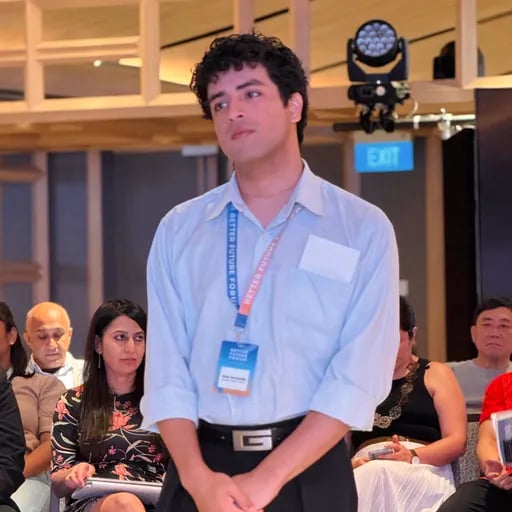
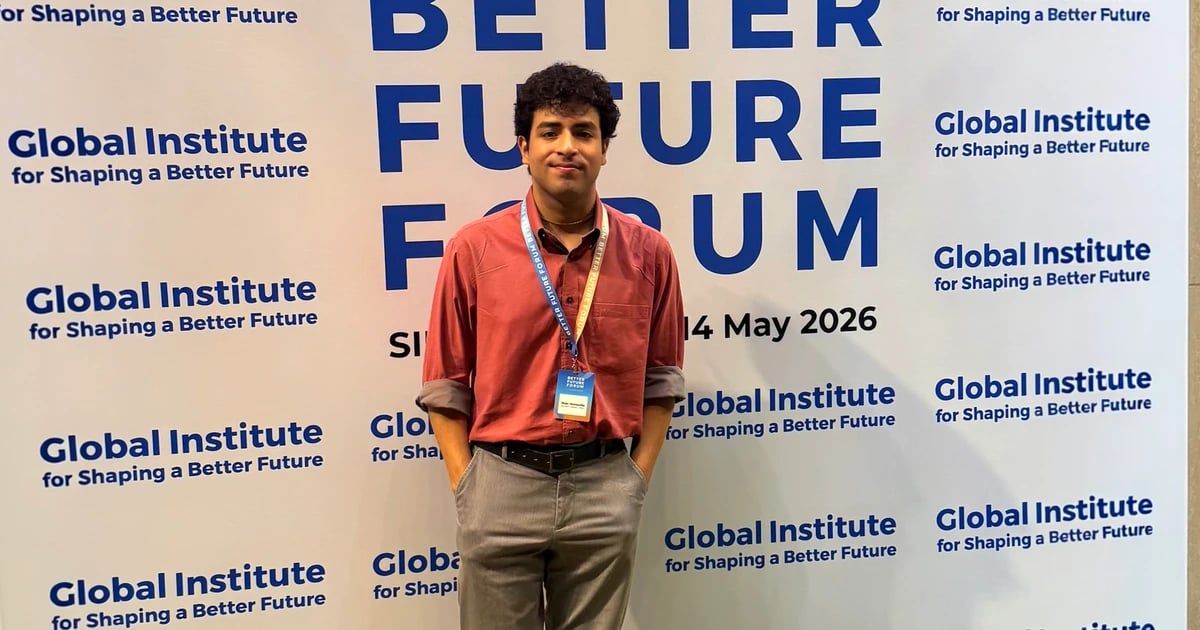
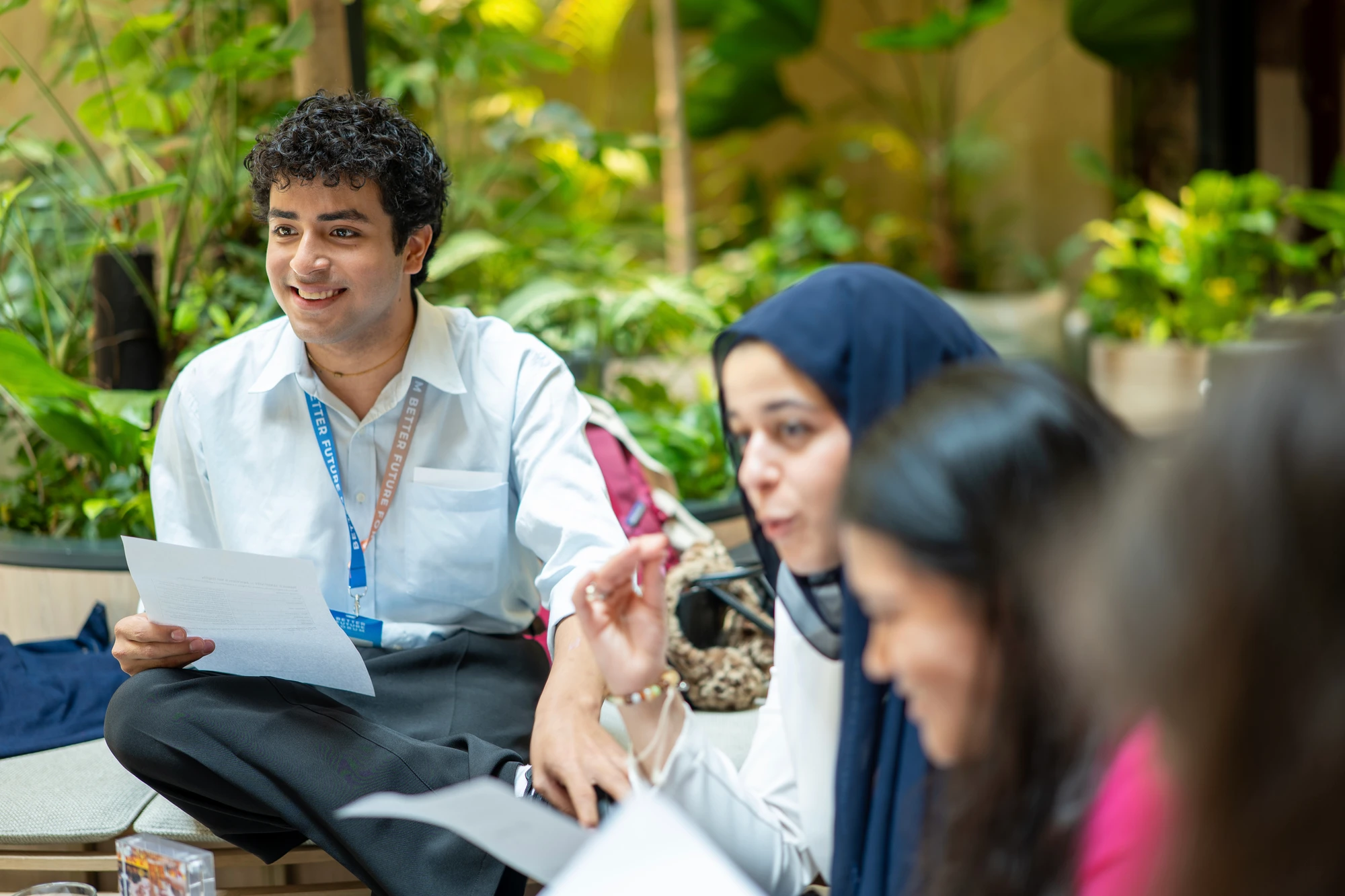
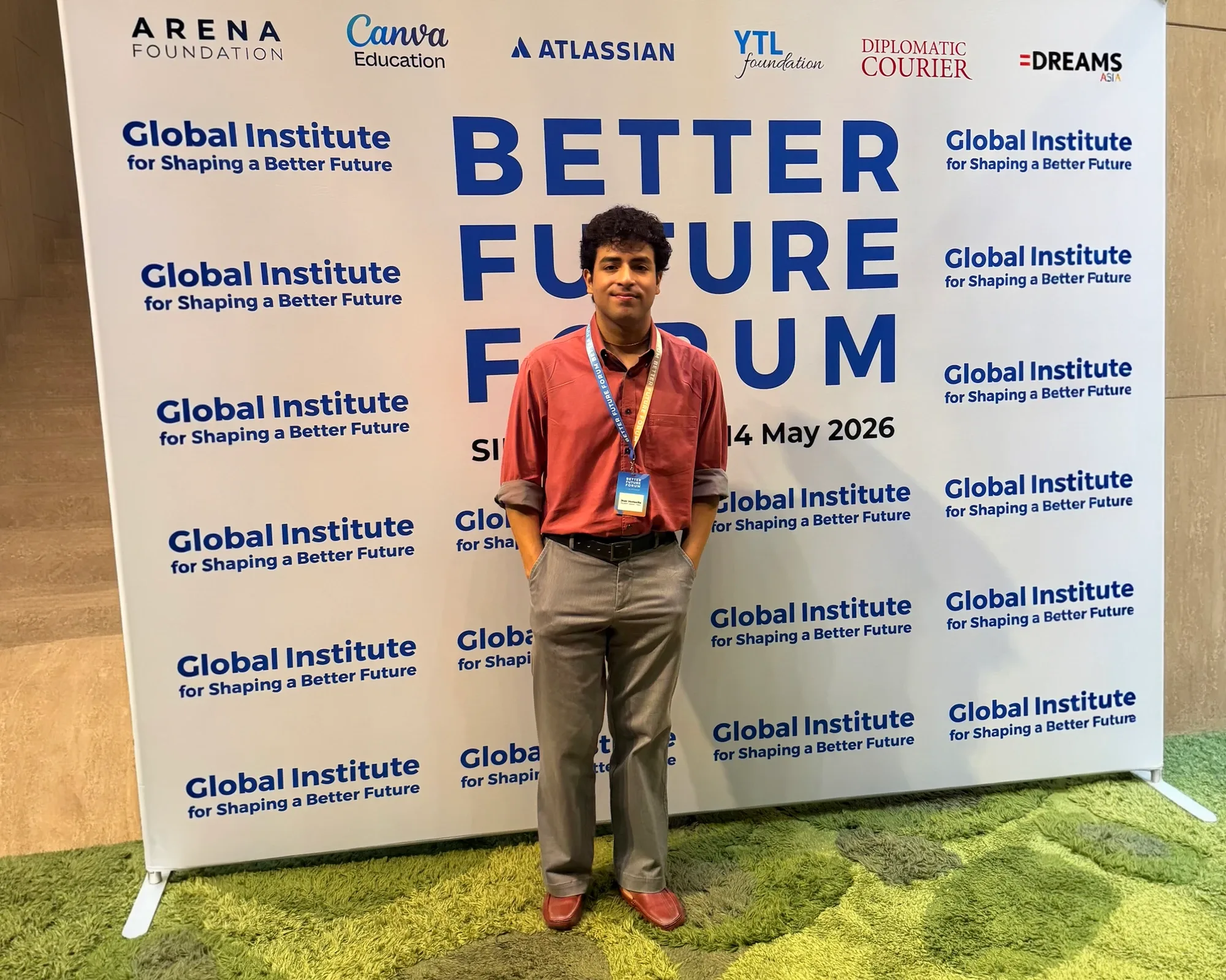
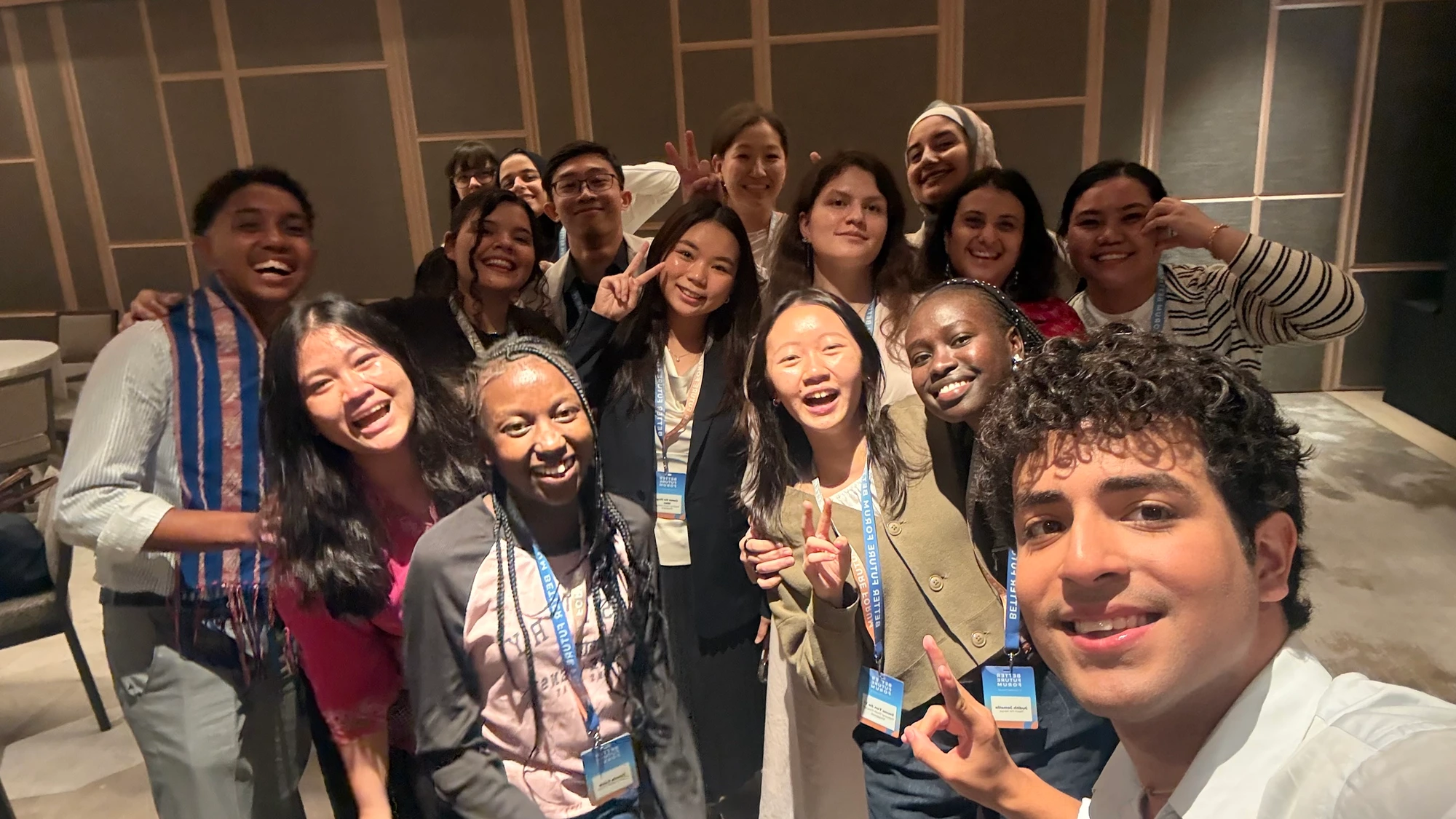
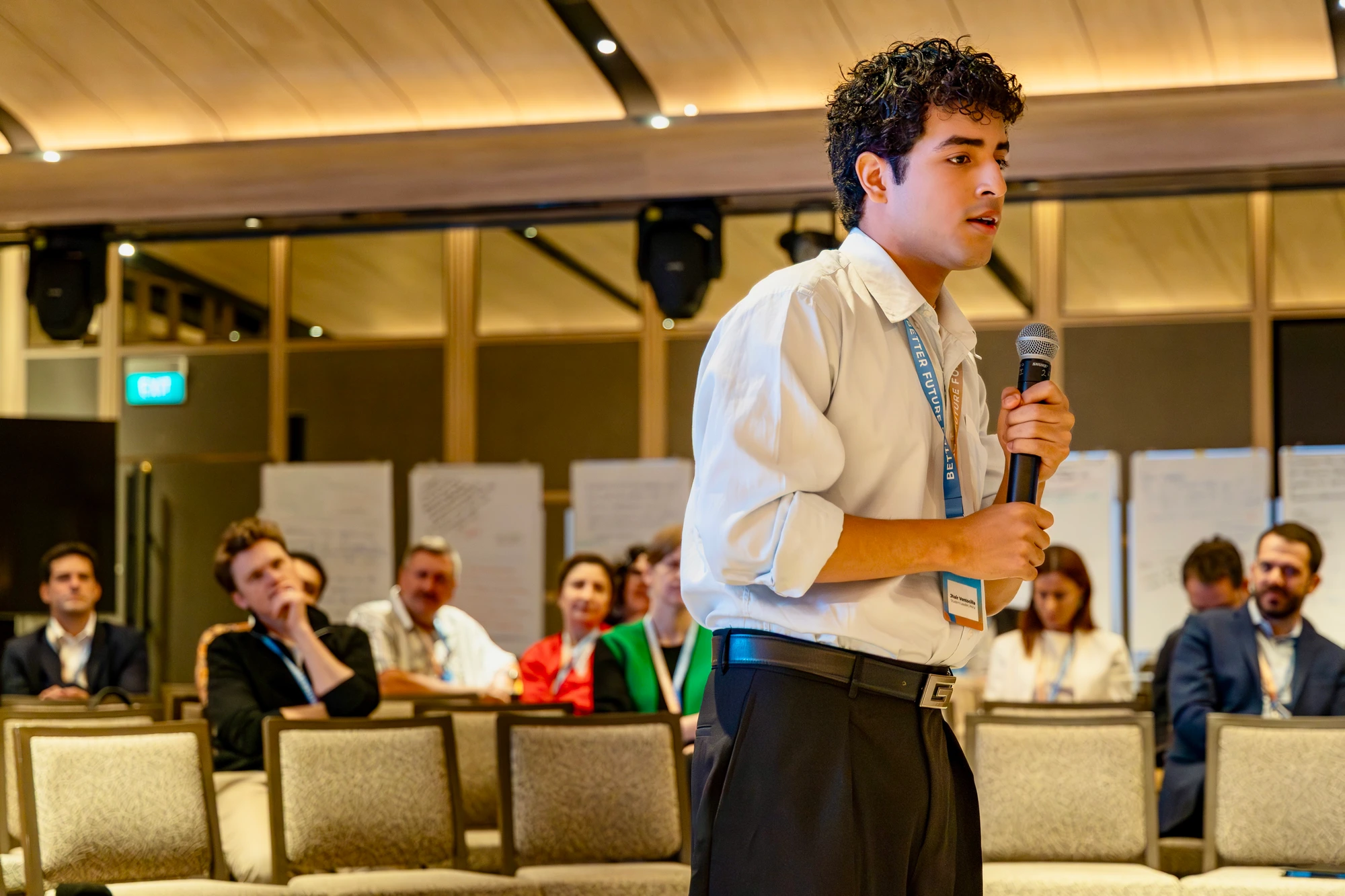
Earlier this year, I had the opportunity to travel to Singapore to attend a global forum organized by Teach For All, where young leaders, educators, and changemakers discussed topics such as educational equity and the role artificial intelligence can play in creating more human-centered learning experiences. It was another reminder that education extends far beyond the classroom.
Before leaving for college, though, I want to make the most of the time I have with my family and friends. They’ve been there through every step of this journey, and sharing these final months with them feels just as important as preparing for everything that’s ahead.
My Advice to Future Applicants
If I could give one piece of advice to students who dream of studying abroad, it would be this: write about what genuinely matters to you.
Don’t try to become the person you think admissions officers want to see. The strongest essays come from real experiences, honest reflections, and the things you truly care about. Being authentic will always be more powerful than trying to sound impressive.
For me, the greatest source of strength was my family. There were times when I felt guilty about the financial sacrifices involved in the application process or wondered whether everything would pay off. Their encouragement helped me keep moving forward, even when I wasn’t sure what the outcome would be.
I know not everyone has the same circumstances, but I hope every student can find a support system—whether that’s family, friends, teachers, or mentors. Having people who believe in you can make all the difference during such a demanding process.
Studying abroad requires much more than strong grades or impressive extracurriculars. It takes resilience, patience, and the confidence to keep believing in yourself, even before anyone else does. Looking back, I think that’s one of the most valuable lessons this journey has given me.