My Background Information
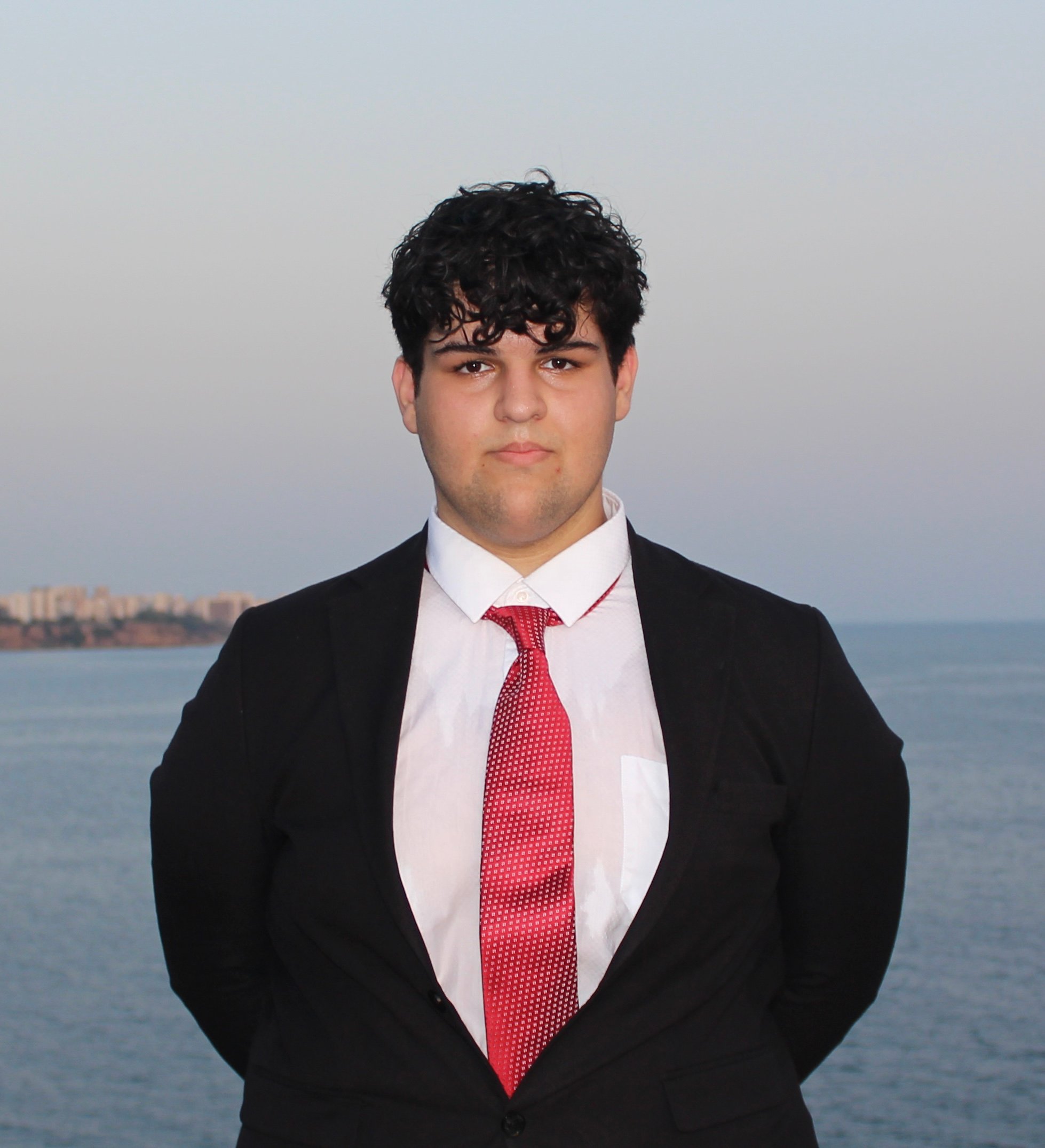
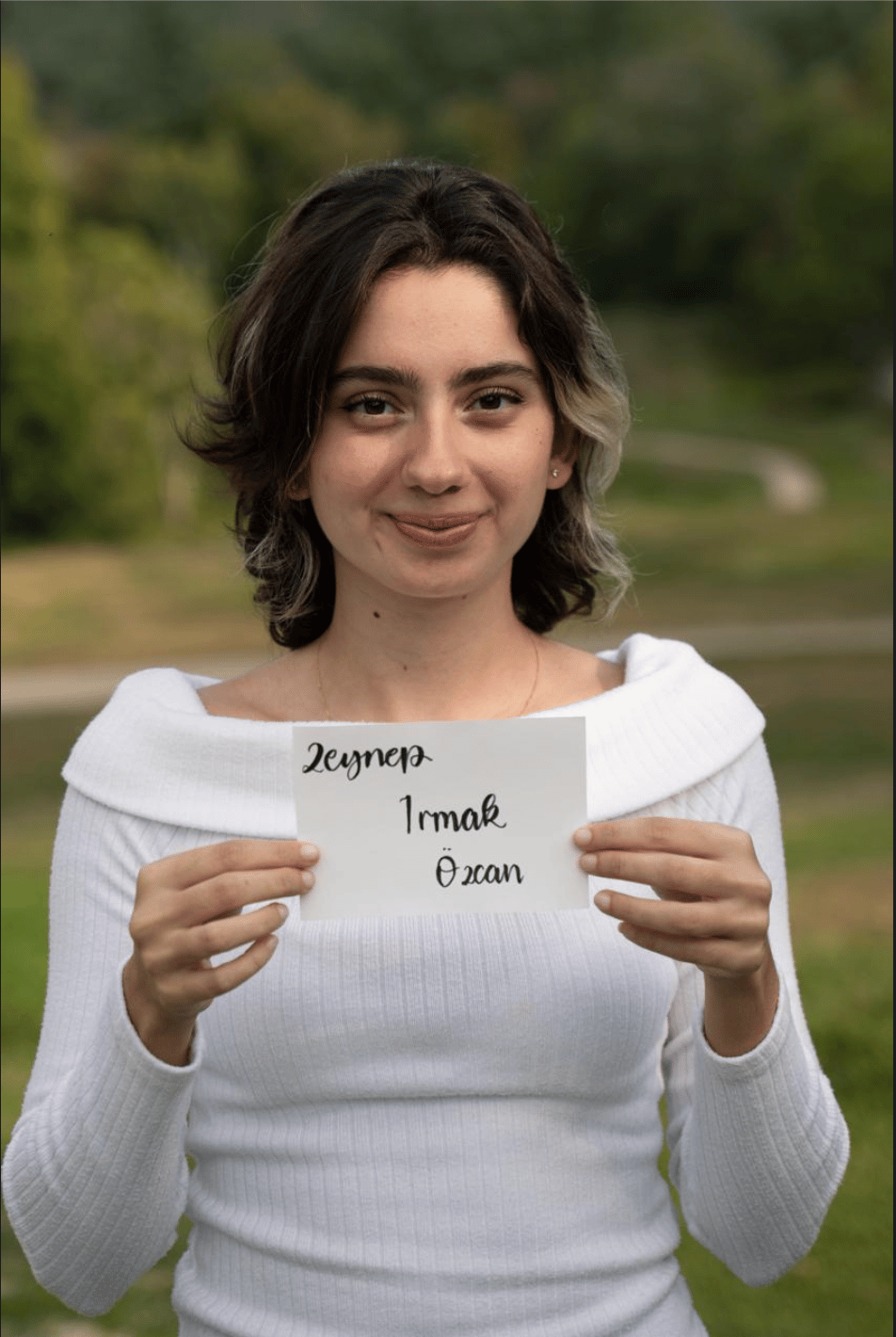
Hey! My name is Zeynep, but everyone calls me Zey! I’m 19 years old and originally from Türkiye, though I’ve been living abroad on my own since I was 15. I’ve always been a curious and driven person, and during middle school, I discovered my deep interest in global affairs and cultural exchange.
That curiosity led me to study in Canada, then in Singapore, and now to pursue International Relations and Economics at Lewis & Clark College in the U.S. Each experience has shaped me into someone who loves learning through people, cultures, and real-world challenges.
I’m really grateful for the opportunities I’ve had so far: traveling to more than 25 countries, working during my summers, and building friendships from all around the world. These experiences taught me resilience, open-mindedness, and the importance of creating bridges between different communities.
Why I Decided to Study Abroad in the U.S
Since I was a kid, I grew up surrounded by American culture, from cartoons like SpongeBob to shows like Brooklyn Nine-Nine. Without realizing it, I was absorbing the language, humor, and spirit of curiosity that made me love English and want to explore beyond Türkiye.
When I met my first foreign teacher in 5th grade, something clicked, and I realized the world was much bigger than I imagined. That moment inspired me to study languages, read more about global issues, and eventually dream of studying abroad.
At first, the U.S. seemed like the “land of opportunity” I saw on TV, but as I grew up, I began to appreciate its academic diversity and openness. American universities encourage discussion, creativity, and global thinking, exactly the kind of environment I wanted.
Through my journey, studying in Canada and then earning a full scholarship to UWC in Singapore, I became eligible for the Davis Scholarship, which supports students at top U.S. colleges.
That opportunity, along with my long-term goal of combining international education and global career experience, made the U.S. the perfect next step for me.
My vision is to start my career in the U.S., later work in Europe, live in Asia for a while, and finally return home to Türkiye with the knowledge and experience to empower other young people to explore the world too.
My Academic Credentials
Academically, I’ve always aimed to challenge myself and make the most of every opportunity. In Türkiye, I graduated with a full GPA and ranked in the top 1% nationwide in the high school entrance exam, earning a full scholarship to a private science high school.
Later, I joined an exchange semester in Canada, where I earned the third-highest GPA in my year and received a merit scholarship covering my travel expenses.
I then earned a full scholarship to UWC South East Asia in Singapore, one of the top international high schools in Asia, where I completed the International Baccalaureate (IB) with a final score of 39 out of 45.
I didn’t take standardized tests like the SAT or IELTS because my IB results and academic record were sufficient for my U.S. college applications.
My advice to students preparing for these kinds of exams is to focus on consistency; it’s not about studying all day, but studying smart, setting daily goals, and learning to balance school, hobbies, and mental health.
For me, the key was to stay organized, ask for feedback, and never hesitate to reach out for help when I needed it.
My Journey Outside of the Classroom
Throughout high school, I always believed that learning should go beyond classrooms, so I made my extracurricular life as diverse and meaningful as my academics. Each project I joined was an opportunity to connect with people, create impact, and understand the world from a new perspective.
My journey started in Türkiye, where I volunteered as a Logistics Manager for Can Dostlar Bursa, coordinating food and health supply donations for over 100 stray animals. I created a small website to help local donors contribute more easily, which taught me early on how digital tools can make community work more sustainable.
Later, I co-founded the T&S Earthquake Appeal after the 2023 Türkiye earthquakes. I led more than 30 peers in organizing a week-long awareness campaign and donation drive at my school in Singapore, raising over S$30,000 for the Turkish Red Crescent. It was a turning point for me; I learned how youth-led action can create real change even across borders.
As I continued at UWC South East Asia, I took leadership in several student initiatives. I served as Project Leader for the Peace Studies and Oppression Observatory, organizing conferences, designing discussion spaces on social justice, and producing multimedia content on political oppression. These experiences strengthened my interest in policy, advocacy, and cross-cultural dialogue, the foundation for my current studies in International Relations.
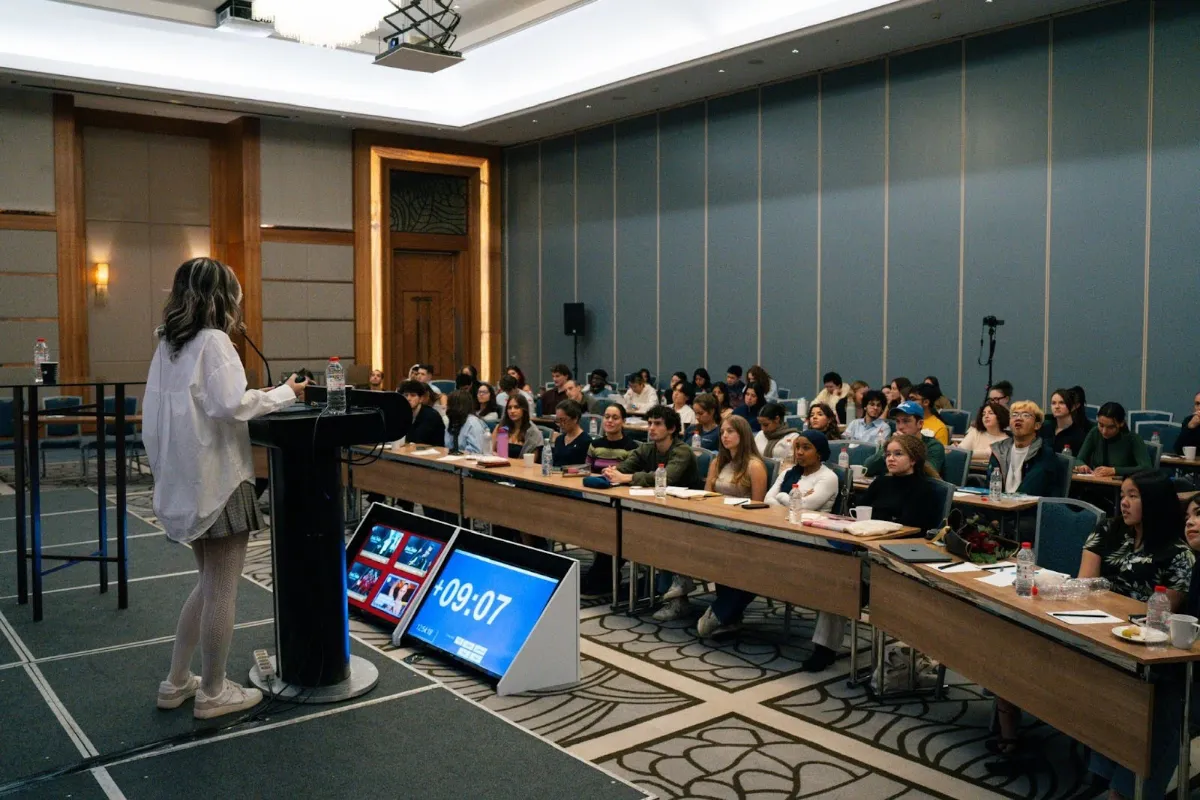
I also found a voice in public speaking and debate. As a Model United Nations (MUN) and Sinav Talks Mentor, I trained more than 25 peers in policy writing and formal debate, and led public speaking workshops for over 140 students. My proudest moment was being recognized as Best Delegate for communication leadership, not just for speaking well, but for helping others do the same.
Beyond academics and leadership, I’ve always valued creativity and movement. At UWC, I performed traditional dances from Ecuador and Guatemala during Culturama, and collaborated with the Red Leap Theatre Company (Australia) to co-create an original play for the Student Theatre Festival. These moments of artistic expression helped me celebrate global culture and remind myself that empathy is a universal language.
My passion for service also took me beyond the classroom and even beyond continents, from volunteering in Sri Lanka (teaching, marine conservation, and elderly care) to wildlife conservation in South Africa, and humanitarian projects in Brazil and Senegal. Each of these experiences taught me humility, teamwork, and the importance of local voices in solving global challenges.
Along the way, I’ve been honored with several awards, including:
UWC Davis Scholarship – full tuition, awarded to the top 0.02% of global applicants
Baret Scholars Fellowship – global research fellowship for emerging leaders
Edubucks Merit Award – scholarship for academic excellence in Canada
Certificates of Honor & Appreciation from Türkiye’s Ministry of National Education
Sinav High School Merit Scholarship – awarded to the top 1% in the national LGS exam
If I could advise younger students preparing their applications, I’d say: don’t try to do everything; choose meaning over quantity. Start by asking, “What issue or activity makes me lose track of time?” Whether it’s environmental projects, debate, or creative arts, go deep, show initiative, and be consistent. You don’t need to have international titles to stand out; what matters most is authentic passion and impact, no matter the scale.
My Application Process and Resources that I Leveraged
My U.S. college application process took almost a full year, from early research to final submissions. I started exploring universities around January 2023, but the real preparation began months earlier through my time at UWC South East Asia, where I was surrounded by a supportive community of mentors and peers who were going through the same journey.
To be honest, the process was both exciting and exhausting. Balancing IB coursework, extracurriculars, and college essays at the same time was intense, but I learned that consistency matters more than perfection. I created a timeline for myself:
Spring (early 2023): Researching schools, scholarships, and essay prompts
Summer: Writing and revising essays, taking feedback from mentors and friends
Fall: Finalizing recommendation letters, financial aid forms, and proofreading applications
The most helpful resources I used were UWC mentors, YouTube videos (like Deya’s and Arpi Park’s essay tips), and the College Essay Guy website, which helped me reflect more deeply on my personal stories. I also read sample essays from past Davis Scholars, which gave me a sense of tone and structure.
I relied heavily on peer collaboration; my friends and I would exchange essays, brainstorm ideas, and motivate each other when things got tough. Having people who understood the stress made a huge difference. We celebrated each other’s small wins, a finished draft, a submitted application, and that kept me going.
Financially, I was very careful. I applied to most of my schools through the Common App and QuestBridge/Davis partner institutions, which allowed me to receive application fee waivers. I also requested fee waivers for the CSS Profile and SAT registration, explaining my financial circumstances through my school counselor. This was one of the most empowering things I learned: you can always ask for help, and most universities are willing to support international students if you’re transparent about your situation.
The only things I spent money on were small expenses like printing transcripts or ID photos, but most of the process was cost-free thanks to waivers and digital submissions.
Looking back, the key strategies that helped me were:
Start early and plan backward. Make a timeline that ends at your first deadline and work from there.
Ask for help. Teachers, mentors, and friends can give valuable feedback, but only if you communicate early.
Use free online resources. Websites like College Essay Guy, Reddit A2C, and YouTube essay reviews are amazing when you can’t afford a private counselor.
Take care of yourself. It’s easy to burn out. Don’t forget to rest, exercise, and do things you love in between applications.
The process was definitely one of the hardest things I’ve done, but also the most transformative. I learned resilience, self-discipline, and how to tell my own story. And honestly, doing it alongside my friends made it one of the most meaningful experiences of my teenage years.
My Process of Dealing with Application Essays
Writing essays was one of my favorite parts of the U.S. college application process because it allowed me to reflect deeply on who I am and what I value.
My main essay (Personal Statement) focused on resilience and perspective through movement. I wrote about how moving across continents alone at a young age taught me to adapt quickly, find comfort in uncertainty, and build “homes” through community. The writing process took weeks of brainstorming. I tried to find a topic that truly represented how I think, not just what I’ve done.
My biggest advice for students writing their main essay is to start with stories, not achievements. Don’t try to sound impressive, try to sound real. Begin with a moment that changed your mindset or challenged you, and then connect it to your values or goals. The story should reflect growth, curiosity, or courage, not perfection. For supplemental essays, I treated each as a conversation with the university. For “Why This School” questions, I focused on specifics, professors, programs, or values that matched my interests in international affairs and economics. For “Diversity” essays, I wrote about bridging cultures, representing Türkiye abroad, and learning from global friendships.
Beyond U.S. applications, I also wrote essays for global scholarships like Baret Scholars and Davis UWC. These essays were more purpose-driven. I highlighted how I could contribute to the program’s mission through leadership, advocacy, and cross-cultural understanding.
Overall, I think essay writing is a mix of storytelling and self-discovery. My tip for anyone starting is:
Begin with honest journaling before drafting.
Don’t be afraid to sound emotional or reflective.
Ask friends or mentors for feedback, but make sure the final version still sounds like you.
Essays aren’t just about getting in; they’re a way to understand yourself better, and that’s what makes them powerful.
My Process of Dealing with Supplementary Materials
Looking back, my college applications were not only about essays, but they were also about building a full picture of who I am. Every document I submitted reflected a different side of me: my curiosity, consistency, and personal growth.
- Recommendation Letters: For my main recommendations, I asked my Math teacher, who was also my mentor, and my English teacher. I didn’t choose them because of the subjects they taught; in fact, I wasn’t applying for math or literature, but because they knew me the best.
My Math teacher had seen my progress over two years, from struggling with advanced concepts to mentoring others in class. He wrote about my perseverance, analytical mindset, and willingness to help my peers. My English teacher, on the other hand, had watched me grow in confidence and expression; she knew how much effort I put into improving and how much I cared about understanding the world through language and ideas.
Their letters reflected not just my academics, but my character, effort, and personal development, which I believe mattered even more.
My biggest advice for students is: choose recommenders who truly know you as a person, not just as a student. A heartfelt letter from a teacher who’s seen your growth will always stand out more than a generic one from a teacher of your intended major. Help them by reminding them of moments that represent you: a project, a challenge, or a small success.
- Activities and Awards List: My activities section was the heart of my application. It showed how my global experiences and community projects connected to my academic interests. I included my leadership roles in the T&S Earthquake Appeal, Peace Studies & Oppression Observatory, and UWC Mentorship Program, along with my research and service abroad through Baret Scholars, wildlife conservation in South Africa, and volunteering in Sri Lanka and Brazil.
For awards, I listed both academic and humanitarian recognitions, such as the UWC Davis Scholarship, Baret Scholars Fellowship, Edubucks Merit Award, and Certificates of Honor from Türkiye’s Ministry of Education.
My advice: quality over quantity. Pick the experiences that shaped your values the most, and explain your impact and growth, not just what you did.
- Projects and Research: I also linked a few personal projects, including my 4,000-word research paper on chemical weapons in Syria, which explored human rights and international accountability. These additions helped demonstrate my research interests and global awareness beyond what my essays could show.
- Internships and Work Experience: My internships strengthened the practical side of my application. At Synthesis, I researched market entry strategies for Türkiye, aligning global and local insights. At Opel Neskar, I gained early exposure to financial analysis and corporate structure. Including these experiences showed that I like to apply theory to real-life contexts.
Finally, I always tell my friends this: colleges just want to see that you care about learning, people, and the world. Even mentioning the books you read, the podcasts you listen to, or the projects you do out of curiosity helps your application feel real. It’s not about being perfect; it’s about showing that you’re someone who learns with passion.
Every material you submit, a recommendation letter, an activity description, or even a small project, is a chance to say, “This is who I am and how much I’ve grown.” That’s what makes an application truly powerful.
My Why to Choose L&C for my Bachelor's
Choosing Lewis & Clark College was a very intentional decision that came after a long journey of exploration and reflection.
Initially, I wasn’t completely sure what I wanted to study; I was passionate about science and had taken HL Physics and HL Math AA in the IB, thinking I would major in astrophysics. But living and studying in Singapore, one of the most globally connected places in the world, completely changed my perspective. I became fascinated by international affairs, economics, and the power dynamics between East and West, especially between the U.S. and China.
That realization made me want a university that wouldn’t force me to choose a single path, somewhere I could study Economics, International Affairs, Chinese, and even Math together, and connect them through a global lens. That’s exactly what Lewis & Clark’s liberal arts education offers.
I was also drawn to the college’s politically active, socially aware community. The campus culture encourages open dialogue, student leadership, and activism, which aligns perfectly with my background in peace studies, advocacy, and youth mentorship.
After my gap year, during which I traveled to over 25 countries and worked on international research projects through the Baret Scholars program, I became sure that Lewis & Clark was where I could grow both academically and personally. The Davis Scholarship made it financially possible, and the college’s strong global network confirmed that I would be surrounded by people who share my values.
I was accepted to several other universities through the Davis network, but Lewis & Clark stood out for its small class sizes, professor mentorship, and the opportunity to truly build an interdisciplinary education. I loved the idea that I could study international relations in the classroom, then apply it through study abroad programs in Asia or Europe, and connect it back to my Turkish roots.
Since arriving on campus, I’ve already become very involved; I was elected as a Finance Senator in the student government, and I work as both a Phonathon Ambassador and an Alumni & Parent Engagement Intern. I’m also on the Turkish Cultural Club (TCK) and International Students of Lewis & Clark (ISLC) boards, where I help organize multicultural events.
A fun fact that I love about L&C is the “Pio Fair” tradition, where all the student clubs, from hiking to debate to cultural organizations, set up booths across campus, and new students can literally explore everything in one day, which captures the spirit of exploration that defines the school. Another is that the college was founded on the idea of “exploration,” inspired by the Lewis and Clark expedition, and in a way, I see myself continuing that same spirit, just in the modern global context.
In short, I chose Lewis & Clark because it represents everything I value: intellectual freedom, global engagement, and authentic community. It’s not just a college for me; it’s the perfect environment to grow into the kind of person I want to become, someone who can connect worlds, cultures, and ideas.
Reflections On My Whole High School Journey
When I look back on my high school years, they feel like a journey through completely different worlds, from Türkiye to Canada, then to Singapore. Each year came with its own lessons, both good and challenging.
Grade 9–10 (Türkiye): These were my foundation years. I was very focused on academics and worked hard to earn a full scholarship at a private science high school, ranking in the top 1% nationally. I’m really proud of that; it showed me that determination pays off.
But looking back, I wish I had slowed down a little. I was so focused on grades that I didn’t always take time to enjoy my hobbies or just rest. My advice to students in those years would be: you can aim high without burning out. Discipline matters, but so does joy.
Grade 10 (Canada Exchange): My exchange semester in Nova Scotia was one of the best decisions I ever made. It was my first time living abroad, and it gave me the confidence to see myself as an independent person. I learned how to adapt to new systems, cultures, and languages.
If I could change one thing, I would’ve documented the experience with journaling, photos, and reflections, because when you’re living something so transformative, you don’t realize how special it is until it’s over.
Grade 11–12 (UWC Singapore): These two years were the most challenging yet rewarding period of my life. UWC Singapore is one of the most competitive and fast-paced environments in the world. I was constantly surrounded by incredible, ambitious people, which was inspiring but also overwhelming at times.
I struggled with stress and balance. Between IB coursework, leadership roles, and college applications, there were moments when I felt like I had to do everything perfectly. I tried my best, but I wish I had been kinder to myself. I learned that mental health and boundaries are just as important as achievement.
My friends who managed their time strategically, who prioritized rest, joy, and focus, were the happiest and most successful ones. So my biggest advice is: don’t overload yourself. You don’t need to join every club or win every award. Do what you enjoy, do it well, and let that be enough.
Gap Year: Taking a gap year was my “good risk.” It wasn’t planned at first; it was a last-minute decision, but it became one of the best choices of my life. I traveled, worked on global research with Baret Scholars, and learned to be more independent. That year helped me rediscover balance and remember why I love learning.
In short, I’m proud of how I pushed myself out of my comfort zone and followed opportunities across the world. But I also learned that growth doesn’t only come from doing more; sometimes it comes from slowing down. And that’s a lesson I’ll carry into college and beyond.
My Best Piece of Advice to Students Who Desire to Study Abroad
Studying abroad really changed my life, but getting there took a lot of effort, patience, and self-discovery. My biggest advice for students who want to study abroad is to start early, explore different paths, and stay authentic. Don’t try to build a “perfect” profile; focus on what genuinely excites you and do it deeply.
For the U.S., I’d say colleges care about who you are, not just your grades. Choose recommenders who know your journey, not just your scores, as I did with my Math mentor and English teacher. They showed my growth and personality, not just academics.
Also, don’t overload yourself. I learned that happiness and success come from balance, not burnout. Doing a few things with passion is much better than doing everything halfway.
What helped me stand out was that my story was real and connected to Lewis & Clark’s values. I showed how my international experiences shaped my interest in bridging East and West through economics and politics, and how a liberal arts college would let me combine all my interests from International Affairs to Chinese.
I think what really got me accepted wasn’t perfection, but passion, showing that I care about people, culture, and learning. So my advice is simple: don’t apply to impress, apply to express. That’s what makes your story unforgettable.
My Scholarship Details at L&C
I was really lucky to receive full scholarships from all the schools I got into, including Lewis & Clark College, Whitman College, and Lake Forest College. All of them covered tuition, housing, meals, and basic living expenses.
The main reason I was able to get full funding was that I’m a Davis Scholar through UWC, which automatically makes students eligible for need-based scholarships at partner universities in the U.S. But I always tell others, don’t limit yourself to just that. There are so many funding options out there, even at smaller or community colleges. Many schools offer need-based or merit-based aid depending on your academic record and financial situation.
For my applications, I didn’t have to fill out separate scholarship forms; the financial aid forms, like the CSS Profile and the school’s own financial aid applications, were enough. My advice is to always apply for aid early, be completely honest about your situation, and ask for fee waivers if you need them. Schools are often very understanding when you explain your context.
My biggest tip is: talk directly to the schools. Email the financial aid office, ask questions, and show interest. Sometimes they can guide you to extra resources you didn’t even know existed.
Overall, my education is fully funded through scholarships, and I plan to continue supporting myself through on-campus jobs and internships, which I’ve already started doing at Lewis & Clark.
So my advice to anyone applying abroad is: never assume it’s impossible because of money. There are opportunities out there; you just have to look for them, ask questions, and apply with confidence.
Moments That Completely Changed My Path
When I look back, there were a few moments that truly changed the direction of my life.
The first was during Grade 9, when the world shut down because of COVID. I spent almost the entire year studying from home, and I couldn’t experience high school the way I imagined. That isolation was really hard, but it also made me more independent and reflective. I learned how to manage my time, study on my own, and stay motivated even without structure.
The second life-changing moment came when I went to Canada. I thought it would just be a 5-month exchange to improve my English and experience something new, but it became the starting point of everything that followed. Living abroad for the first time taught me adaptability, confidence, and the joy of discovering new cultures. It made me realize I wanted to keep exploring the world through education.
From there, one thing led to another: UWC Singapore, my gap year, and now college in the U.S. None of it was planned, but each experience opened a new door.
So if I had to sum it up, I’d say the biggest turning points were the moments I didn’t expect, the ones that pushed me out of my comfort zone. They taught me that sometimes life’s best opportunities come when you say yes to the unknown.
My Experience with the Baret Scholars Program
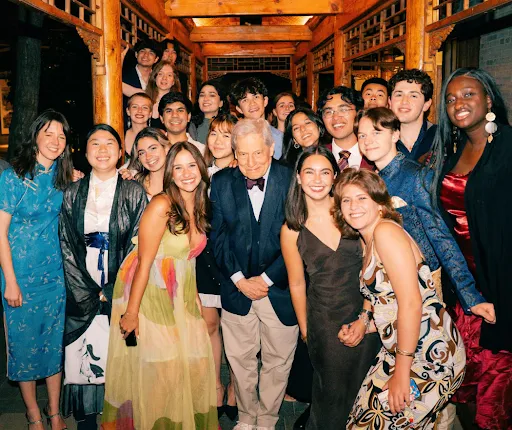
The Baret Scholars Program was honestly one of the most eye-opening experiences of my life. I joined it during my gap year, at a time when I was trying to figure out what I wanted to study and who I wanted to become.
Through Baret, I learned what I couldn’t learn in any classroom. It taught me how the world really works, from the inside of big institutions to the heart of communities.
One week I’d be meeting UN representatives, discussing global development and crisis policy. Next, I’d be volunteering in rural slums, talking with local families about what those same “global policies” actually look like in real life. That contrast completely changed how I see the world.
It showed me both sides of the policy and the people, the theory and the reality. And it helped me realize that what I want to study is exactly that intersection: how economics and international affairs connect the global and the local, the East and the West.
I also learned from my internships and fieldwork that change doesn’t come from big speeches; it comes from listening, observing, and working together. Seeing the gap between decisions made in offices and lives lived in the field made me want to become a bridge between those two worlds.
More than anything, Baret gave me perspective. It made me more grounded, more empathetic, and more sure of what I want to do in life. It taught me that understanding how life works, both ways, from the top down and from the bottom up, is what real education is about.
My Experience with the UWC Journey
Applying to UWC was honestly one of the biggest turning points in my life. I first learned about the movement when I was looking for international scholarships, and I loved how UWC combined rigorous academics with community service and intercultural understanding.
The application process was competitive and deeply reflective. I had to write essays, go through interviews, and participate in group activities where they tested teamwork, creativity, and empathy. It wasn’t just about grades; it was about how you think, collaborate, and lead.
When I got accepted to UWC South East Asia (Singapore) on a full Davis Scholarship, it felt like a dream. But the first few months were tough, with a new environment, a demanding IB curriculum, and people from over 90 countries. The orientation period helped me a lot, though; we had cultural nights, mentor sessions, and bonding events that made the campus feel like home.
Over time, I grew to love the challenge. UWC taught me independence, global thinking, and empathy. It was the first place where I learned to listen to people from every background, and it prepared me for everything that came after.
My biggest advice to future UWC applicants is to be authentic, curious, and brave. Don’t apply just to study abroad, apply because you want to understand the world better.
My Long-Term Goals
My long-term goal is to work in international policy and development, focusing on how economics and diplomacy can bridge East and West, especially between the U.S., China, and Türkiye.
In the next few years, I want to use my education at Lewis & Clark to build both academic and practical experience through research, internships, and study abroad programs in Asia and Europe.
Eventually, I’d love to work with organizations like the UN, World Bank, or regional policy think tanks, and later return to Türkiye to contribute to educational and youth-access programs.
My dream is to help design policies that make opportunity and equity more global, because I’ve seen, through my own story, how education can change lives.
Campus Life at Lewis & Clark
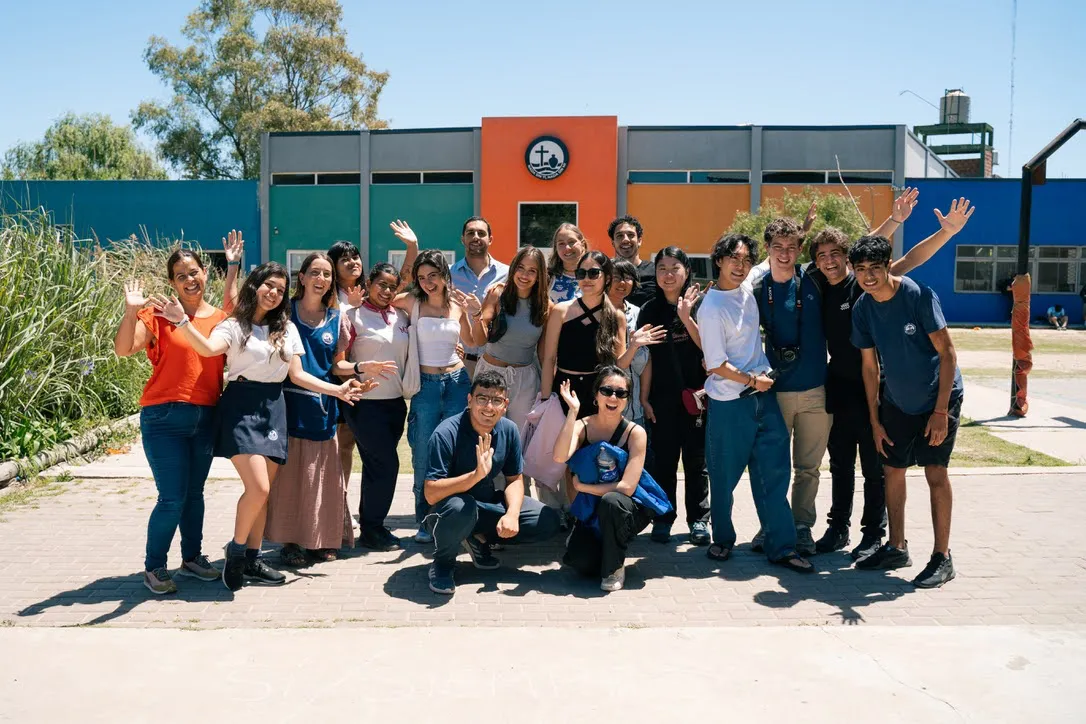
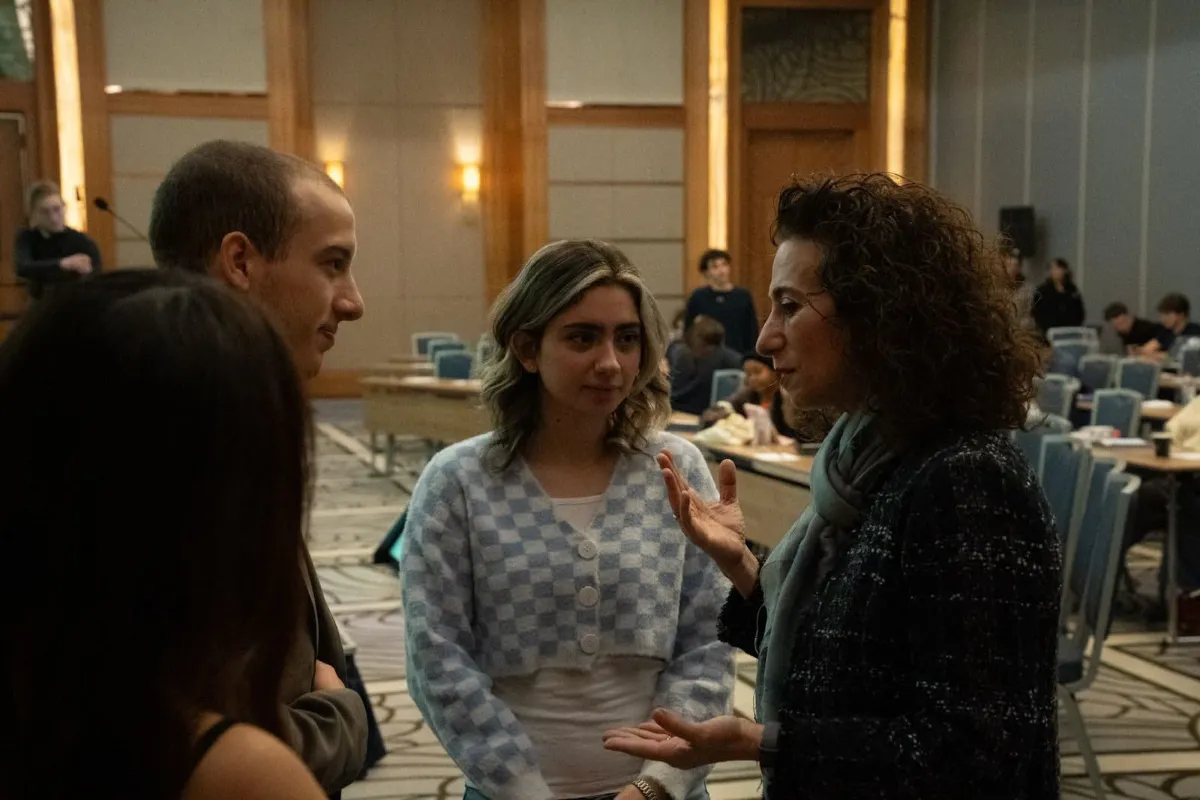
Campus life at Lewis & Clark is honestly one of my favorite parts of studying there. The campus itself feels like it’s hidden inside a forest: green, peaceful, and full of little spots where you can study, hike, or just sit with friends.
A typical day for me starts with morning classes, usually Economics or International Affairs, then lunch with friends at the Bon Café, and work at one of my campus jobs, either as a Phonathon Ambassador or Alumni & Parent Engagement Intern. Evenings are usually for club meetings or events; I’m active on the Finance Committee, ISLC, and Turkish Cultural Club, so there’s always something happening.
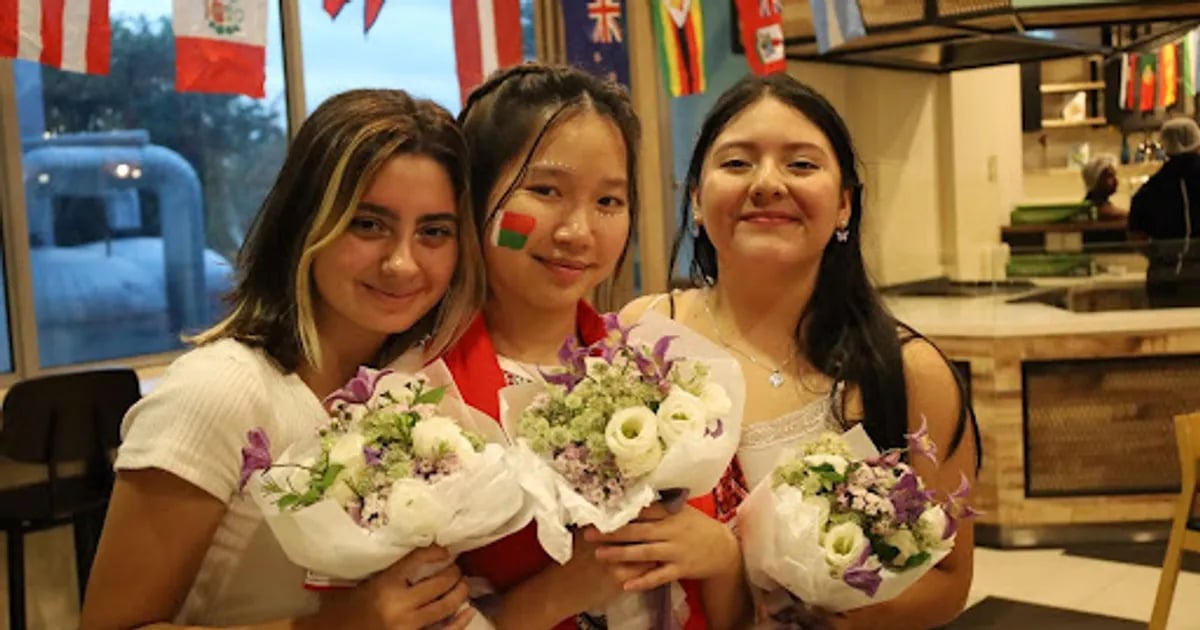
Making friends was easier than I expected. People are warm, curious, and genuinely international. Many students come from UWC or global backgrounds. My tip for new students is: go to events and talk to people even if you feel shy. Everyone’s looking for connection, especially in the first weeks.
Networking also happens naturally; professors, staff, and even alumni are approachable. Just start conversations, and opportunities appear where you least expect them.
My Perspectives on Academics at Lewis & Clark
I really love the liberal arts education at Lewis & Clark. It allows me to study multiple fields at once. I’m majoring in International Affairs and Economics, but I’m also taking Chinese and Math courses. This flexibility helps me see global issues from both analytical and cultural perspectives.
The professors are one of the best parts of the college; they genuinely care about students. Most classes are small, so discussions feel personal, and you can easily approach your professors for help or advice.
The academic workload can be demanding, especially when you combine classes, jobs, and extracurriculars, but it’s manageable if you stay organized. I’ve learned to plan my week in advance and keep time for rest and social life.
My advice for new students is: don’t take on too much in your first semester. Learn the rhythm first, then build up. Also, take courses that challenge you but also excite you; that’s the key to staying motivated.
My First Week at Lewis & Clark
My first week at Lewis & Clark was both exciting and overwhelming. I had just moved from Singapore, and Portland felt completely different: colder, greener, quieter. The orientation week helped a lot; I met my roommate, joined tours around the city, and started making friends immediately.
There were definitely cultural differences between Türkiye and the U.S.; people are more direct, and the academic style is more discussion-based. At first, I was nervous to speak up in class, but I learned quickly that professors value your opinion even if it’s not perfect English.
What helped me the most was staying open and curious. Instead of comparing cultures, I tried to understand them. And I think that’s what adaptation really means, not changing who you are, but expanding who you can be.
By the end of the first month, L&C already felt like home.