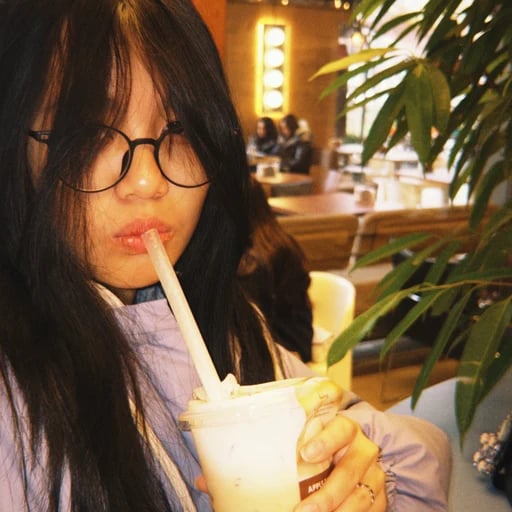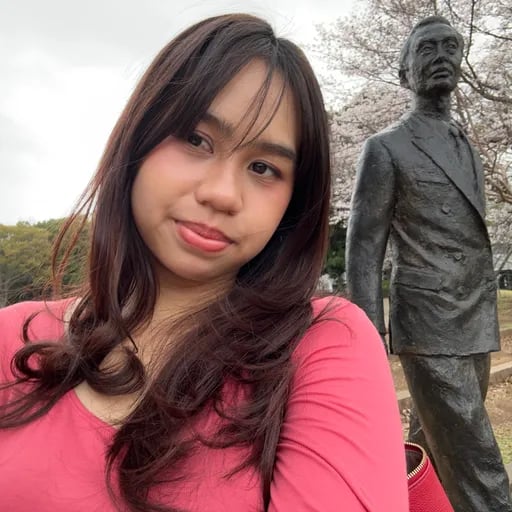
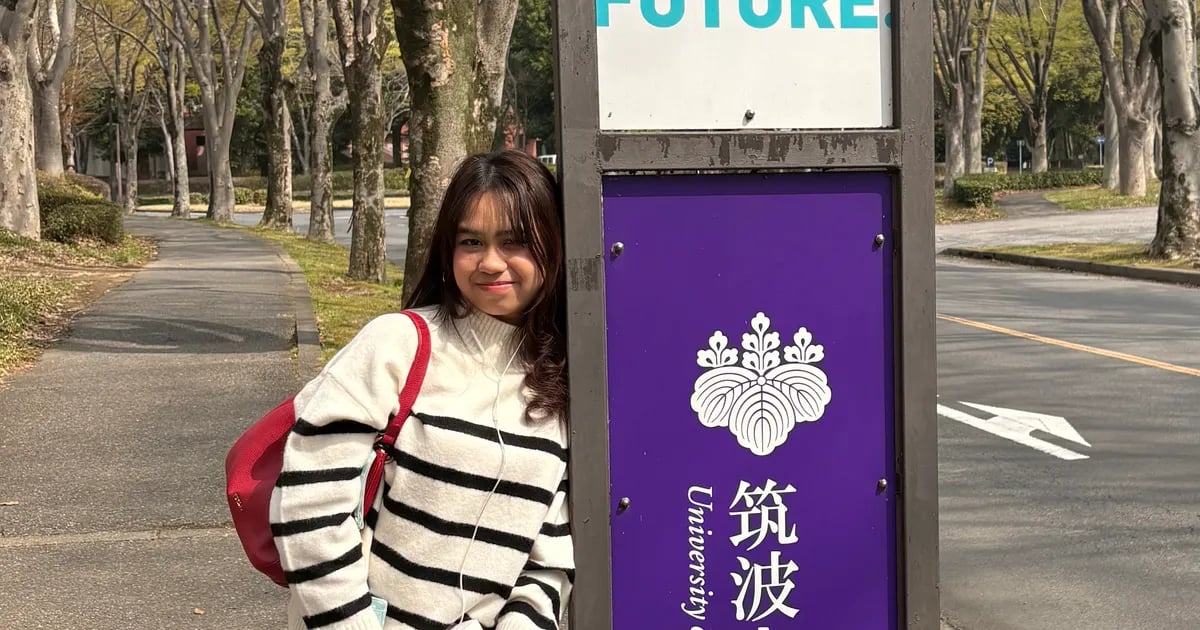

Hi, my name is Zaina! I went to a semi-international school in Indonesia and took the national curriculum of my country, Kurikulum Merdeka. I’m currently awaiting the start of my university life in September at the University of Tsukuba in Japan. Yay!
My Application Story
In Indonesia, there isn’t a big preference to study abroad, and recently, a lot of people have been glorifying the idea of going to a top national university. A lot of my friends are going to national universities. I also applied to top universities in my country but got rejected—I believe, because of my GPA. Mine was quite low compared to the students who got accepted, and public universities in Indonesia are strict about test scores and GPA cutoffs. There is virtually zero consideration of a student’s extracurricular merits.
International universities look at holistic profiles. Knowing this, I applied to a handful of universities abroad and got accepted into the University of Toronto and the University of Tsukuba!
What made me choose a Japanese University
Ever since I was a kid, we had a family tradition where we visit Japan every year, and during those travels, I developed a lot of love for the culture and daily life there. I think it was just something about the place. Even though I was only in elementary school at the time, I remember thinking, "One day I have to live here."
I found out about the University of Tsukuba through intensive research on English programs in Japan that were also affordable. I specifically looked for public universities in Japan because they were cheaper than private universities. It’s quite difficult to find English programs in Japan, especially at public universities. The University of Tsukuba was one of the most feasible options for me in terms of the major, and also the cost, even without the scholarship.

Venturing into MUN: my ECs
Something I realised early on is that I was never the best test-taker. I decided that I needed something else to boost my college applications. In 10th grade, I was just trying things out, volunteering here and there without any direction in mind. Then, in 11th grade, I was asked to join MUN (Model United Nations) with my friends from debate club. During my first MUN, I had a sudden epiphany that this was the one thing that I could try to excel in. Once I started, I was obsessed, and in a span of a year, I have participated in a total of 20 MUNs, won around 8 awards, and progressed from delegate to being a committee member, to finally chairing. The biggest milestone of my MUN journey, though, was founding my own MUN conference, where I served as Secretary-General.
I was also the president of my Student Council, where I contributed to the school’s community outreach and did a lot of charity work. The key to a solid application was not doing a lot of scattered activities, but a cohesive theme, and I managed to create it, highlighting my leadership skills from student council and MUN. I also participated in online Olympiads and won three gold medals and two silver medals in Sociology, Economics, Civic Studies, and English.


Academic Profile & Application process
At my high school, I had a three-year average GPA of 84/100. I was very insecure about my SAT score, a 1250, which was quite low compared to what people were submitting. I genuinely thought it was one of the biggest factors why I didn't get accepted to Indonesian national universities. I also did the IELTS, for which I scored a 7.5.
The application process begins with the motivation essays and the submission of your test scores. Submitting an IELTS score is mandatory, especially if you’re taking an English-taught program like me. English-taught programs don’t require you to submit any Japanese language certification such as EJU and JLPT. Tsukuba has a minimum IELTS score you must have, but they don't have a minimum SAT requirement. However, from what I've heard from people, it's a big boost if you submit your SAT score, no matter the score. Then comes the second phase: the interview process. Some people get turned down before the interview, some get turned down after, but I was lucky enough to pass both stages and get accepted.
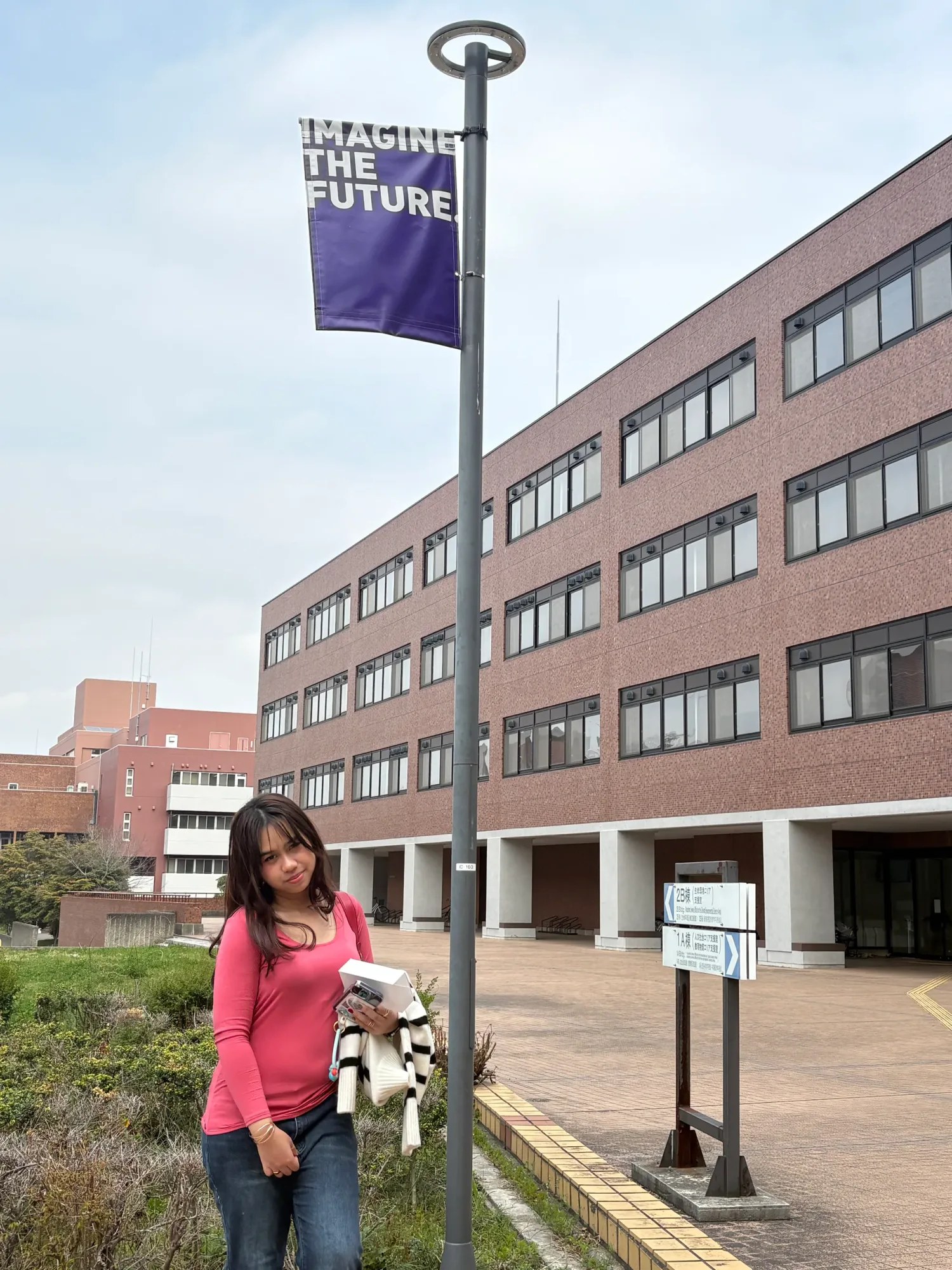
One thing about Tsukuba is that they don’t want a standard “brag sheet” essay. They require you to put forward a comprehensive study plan detailing exactly how you will benefit from Tsukuba’s specific resources and what you will contribute back. For the University of Toronto, I wrote a narrative-heavy essay about Indonesia’s dictatorship and how I would be a leader with better values in the future. For the University of Tsukuba, I mainly focused on my love for MUN and how I was going to solidify the community once I’m there, what I expect to study in my chosen major, International Social Studies, and the resources I want to utilise. Thus, it's really important to dedicate time to researching what the university has to offer.
The "Stackable" Japanese Scholarship System
For the University of Tsukuba, the scholarships are automatically allocated based on both financial needs and merit after phase one of the application process. I was awarded the Tsukuba scholarship, which comprises a 60,000 yen/month stipend. I am paying for the tuition, but asking for a full tuition exemption is possible!
Public universities in Japan are highly cost-effective, ranging around ~500,000 yen/year, which would be roughly 3000 dollars. Another trick most students don’t know is that Japan allows students to stack multiple private and public scholarships simultaneously, under the condition that individual ones don’t exceed a cap of 50,000 yen. A great resource I recommend you look into is JASSO (Japanese Student Services Organisation), which gives tips and available scholarships.
Final Words
My biggest tip to those entering high school is to try to know what you are passionate about, and go all in. Enjoy the process of starting something and being terrible at it, but continuing anyway and becoming better. Also, don’t let your grades define you! From my own experience,rejection is definitely redirection. While I got rejected by my national universities in my own country because they only care about grades, I am now able to study at an institution that has a more holistic judgment of who I am as a student.
I was an avid reader of Borderless, especially when I was applying to the University of Toronto and the Lester B. Pearson scholarship because I found that a lot of the scholarship recipients were featured here. At first, reading about their stats, activities, and how they wrote their essays made me feel a bit insecure about my own achievements because their scores were so high! But they acted as a source of inspiration and made me believe that I could be one of them. It’s a full-circle moment, getting a feature of my own story on Borderless!