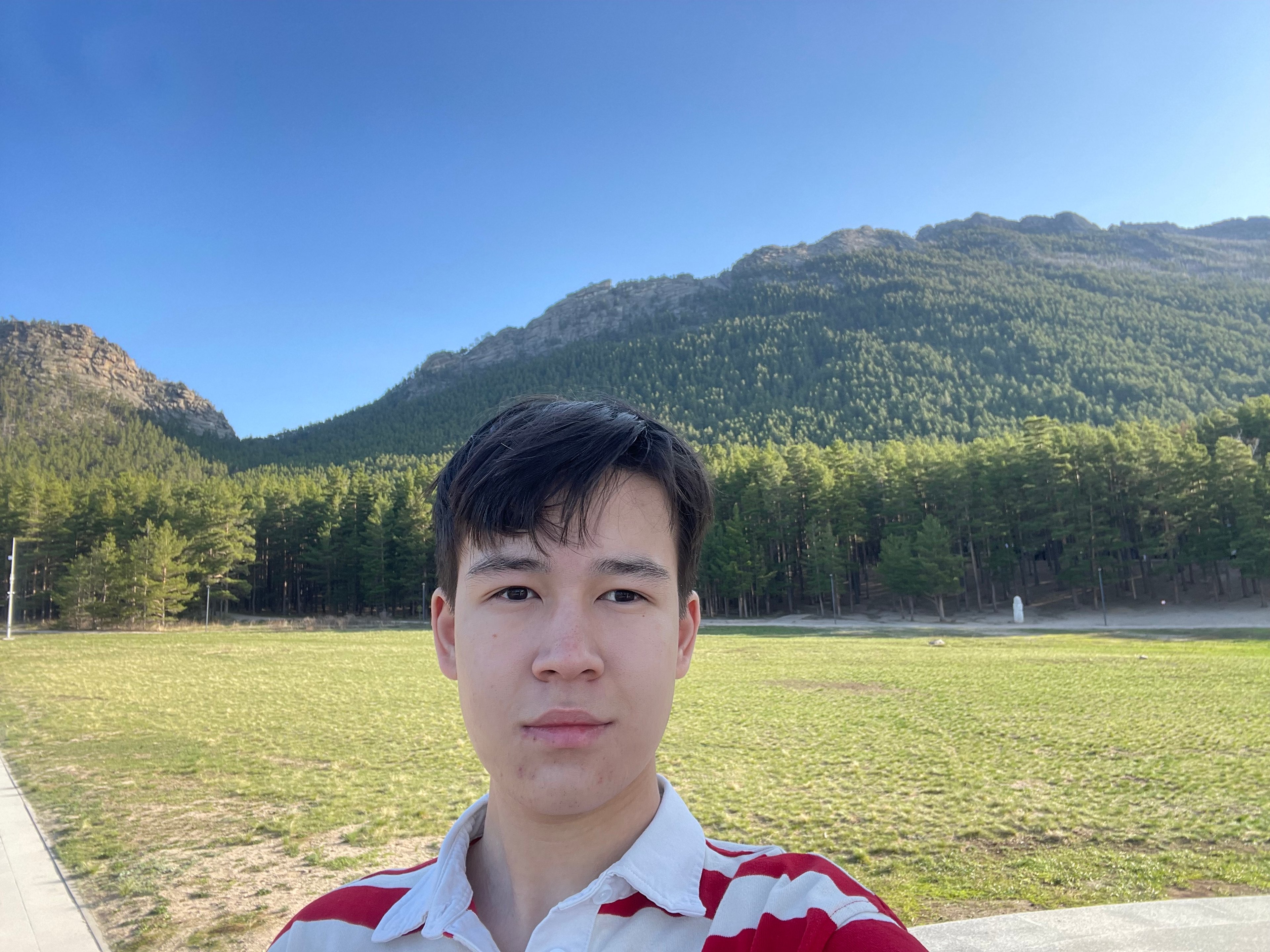


I come from a small town in Kazakhstan, part of Central Asia, and I studied in a school within the larger national network. While it wasn’t an international curriculum like IB or A-Levels, it was academically rigorous—we studied advanced subjects like calculus, physics, chemistry, and English up to a C1 level.
When I started thinking about studying abroad, I didn’t come from an environment where this was common. There wasn’t a strong culture of international applications, so a lot of what I did was self-driven—researching, experimenting, and figuring things out along the way.

My Academic Profile
For context, here were my key stats:
- IELTS: 8.0 (first attempt)
- SAT: 1460 (taken three times)
- GPA: Perfect (5/5 in the national system)
Even though my curriculum was heavily STEM-focused, I naturally leaned toward English. Interestingly, this showed in my SAT as well—I scored higher in English than Math, which is less typical.
Where I Applied (and Why I Chose Hong Kong)
I applied to 8 universities in total:
- 5 in the United States
- 2 in Hong Kong
- 1 in Kazakhstan
I was accepted into:
- Chinese University of Hong Kong, Shenzhen (full tuition scholarship)
- Hong Kong Baptist University (full-ride scholarship)
I ultimately committed to HKBU. While both were strong options, the full-ride scholarship at HKBU made the decision financially clear.
Also, considering visa uncertainties—especially for students from Central Asia applying to the U.S.—Hong Kong felt like a more stable and practical option.

Why I Chose English as My Major
My intended major wasn’t random—it was deeply tied to my experiences.
As a high school student, I:
- Participated in and organized debates
- Founded my school’s debate club
- Took on leadership roles in my school's student government
- Mentored other students in English for Olympiads and even worked on a project for college prep
- Competed in English Olympiads (placing nationally)
All of this made English the most coherent and authentic choice for my application.
However, my long-term interest goes beyond just studying English—I’m deeply invested in educational reform. I’m currently working with professors through programs like Pioneer Academics on issues like inequity in math education. In the past, I have also worked with a professor from DePauw who is extremely influential in economics on AI research, and I am currently working with one from Brown on education.
In the future, I hope to:
- Become an educator
- Move into school leadership (like a vice principal role)
- Influence curriculum design and teaching systems
I’ve seen firsthand how flawed educational systems can be, and I want to be part of improving them. Especially building a culture of genuine care in student-teacher relationships.
My Extracurricular Profile
My application wasn’t just about scores—it reflected who I was as a person.
Some of my key activities included:
- Student Government Leadership: President and organizer at scale for the student body and the Debate club
- Mentorship: Helping students understand and navigate international applications
- Research:
- With a local university professor
- With a professor from DePauw University on AI
- With a professor from Brown University on education
- Founder & CEO of a student advancement initiative: Built a platform for educational prep “by students, for students.”
- Debate & Speech: Competitions, leadership, and organization
- Programs: I participated in initiatives like Civics Unplugged
- Olympiad Mentorship: After placing nationally in the English Olympiad, I trained other students
My profile combined research, leadership, and mentorship, which I think made it stand out.



Application Process: Hong Kong vs. the US
Many people think Hong Kong universities are “backup options” focused only on test scores. That’s not true. I think if you don’t showcase a personality beyond just academics, then the university does not have a reason to accept you, let alone consider you for a scholarship. Hence, when applying for a Scholarship you are expected to write a personal statement.
What the Application Required
- Transcripts
- Test scores (IELTS, SAT)
- Personal statement (especially important for scholarships)
- Optional portfolio of activities
- Recommendation letters
The process is quite similar to US applications, just slightly less polished in terms of platform. The essay is generally about why you are applying for a certain major and why you want to study at the university (in my case, HKBU).
The Interview: A Critical Stage
One of the most important parts of applying to Hong Kong universities is the interview.
After the initial application review, shortlisted candidates are invited for an interview. This stage is extremely important—sometimes just as important as your written application.
They evaluate:
- Your personality
- Your motivations
- Your ability to think critically under time pressure
- Your clarity of thought
Unlike essays (where you have weeks), interviews test how well you can respond in 10–20 seconds of thinking time.
Scholarships at HKBU
I received a full-ride scholarship from HKBU.
Key things to know:
- Scholarships are merit-based, not need-based
- No separate application is required
- Your personal statement plays a major role
- Strong academics + strong narrative = best chance
There are also additional options, such as the Belt and Road Scholarship, which students can apply for during the application process.
Visa Process
The visa process is relatively straightforward compared to countries like the U.S.
You need:
- Passport and personal documents
- Proof of funds (e.g., showing ~10,000 HKD deposit)
- Parent documents
- Statement of intent (in some cases)
An important detail:The process is two-sided:
- You submit your documents
- The university submits theirs (since for the course of your degree, they act as your sponsor)
A Note on Borderless
Borderless was one key resource that genuinely helped me throughout this process.
What I found especially valuable:
- Real student success stories from across the world
- Insights into different application strategies
- Ideas for projects and extracurriculars
- University suggestions based on your profile
Most importantly, Borderless offers free resources, which makes it incredibly accessible.
For students who cannot afford expensive admissions counseling, platforms like this are game-changing. The work they’re doing is genuinely meaningful—it opens doors for students who otherwise wouldn’t have access to this kind of information.
Final Advice for Students
If I had to leave you with one key idea, it would be this:
Your application is not about numbers.
Yes, scores matter—but they are not enough.
Universities are looking for:
- Who you are
- What you care about
- What you’ve done with your interests
- What you will bring to their community
Too many students fall into the trap of:
- Chasing activities without purpose
- Overloading themselves with random commitments
- Trying to “optimize” their profile instead of understanding themselves
At some point, you need to stop and ask:Why am I doing all of this?
Because the strongest applications are not the most “perfect” ones—they are the most authentic.