

Introduction and Context
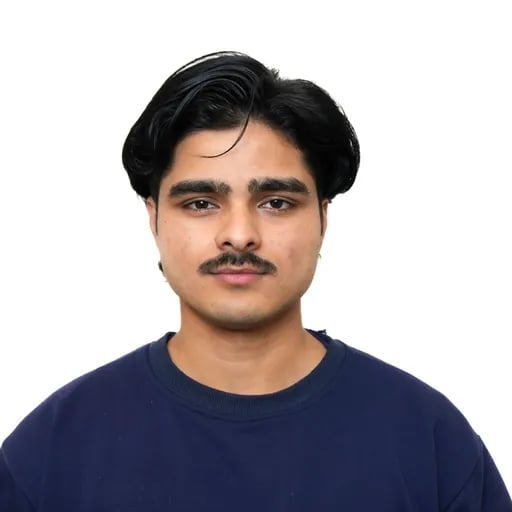
Hey, I'm Abishkar Pandey—Abi for short. I am from Nepal and grew up in the eastern part of the country, where I lived for most of my life. I attended a military school starting from Grade 6. After that, I moved to the capital, Kathmandu, for Grades 11 and 12, and I have been living here ever since.
Academic performance
Academics Stats:
Curriculum: Nepal Examination Board (NEB)
- Grade 10: GPA 3.7
- Grade 11: GPA 3.6
- Grade 12: GPA 3.13
High School Grad year: 2023
IELTS Score: Overall Band 7
Subjects I took in High School: Math, Chemistry, Physics, Computer Science
(As far as I am concerned, your academic stats don't matter for a gap year program like Take Action Lab)

Program I selected and financial aid
Program: Take Action Lab Malaysia: Environment & Sustainability Did you need financial aid? : Yes Total Program Tuition: $21,000 Scholarship Received: $20,000No additional essay or application for financial aid. Answer some financial aid questions as asked in the main application.
Activities and Interests
Activity Mentioned in the TAL Application:
- Content Writer & Campaign Manager, Enspire Media: Designed marketing campaigns for FMCG brands like Cetaphil, Mamypoko; planned Social Media content for 12+ brands & wrote 5+ for TV/digital commercials
- Social Media & Content Manager, Equity Bridge Nepal: empowering first-generation and low-income students in Nepal with access to role models, financial literacy, and soft skills
- General Member(2023), Project Coordinator(2024/25), Leo Club of Kathmandu Sauhardha: Served the community through hunger relief/blood donation camps; organized skilled workshops; established a library in an orphanage; impacted 200+ lives
- R&D Officer, then elected President, Youth for Good-Nepal: Empowered rural Nepali communities with retrofitting skills, disaster preparedness, & mental health education; nurtured leadership potential of youths
- Digital Marketing Intern, SCSS Consulting: Generated 500+ qualified leads, optimized email & social campaigns, increased online engagement by 13%, boosting client acquisition & conversions
- Outreach Officer(Post Graduate), Delegate (Grade 11 & 12), Model United Nations: Recruited delegates, gained sponsors, built partnerships, ensured events ran smoothly, and took part in multiple MUNs as a delegate
- Member (Grade 11), President (Grade 12), Art & Literature Club of High School: Guided club, organized poetry slams, essays, art contests, open mics & seminars, encouraging peers’ creativity and growth in literature & art
- Troop Leader, High School, Nepal Scout Troop: Led 40+ scouts, organized workshops & service projects, represented school at district events & national jamboree, built teamwork & leadership
- President, Student Quality Circle: Directed & facilitated club, conducted case studies on homework copying, ECA participation & food waste, implemented solutions, mentored juniors
- Youth Speak Out 2021: Awarded "Best of the Best Speaker" in a nationwide oratory contest on Violence Against Women and Girls, co-organized by Wall of Hope and the European Union, competing against speakers from across Nepal.
- National Cadet Corps, Platoon Junior Under Officer (PJUO): Completed a 100-day training by the Nepal Army serving as PJUO commanding a platoon of 50 cadets.
Volunteering
I started volunteering after graduating from high school in 2023 as a way to give back to my community and to engage with a network of people while making the most of my free time and learning from the experience.
I volunteered with the Leo Club of Kathmandu Sauhardha, Youth For Good - Nepal, and Equity Bridge Nepal, as mentioned in the activity section. Time management was not a challenge for me during my gap year since most of the physical events took place on weekends, and I was able to work online on the backend during weekdays.
Through my work with these three organizations, I was able to assist first-generation, low-income students, orphans, elderly individuals in care facilities, young students, and patients in need of blood donations.
Essay Questions
My biggest piece of advice is to treat these essays as a reflection of who you are, not as a competition to write the most impressive story. The selection committee is trying to understand how you think, what you value, and how you approach challenges. They can usually tell when someone is writing to impress rather than writing honestly.
Start by asking yourself what experiences have genuinely shaped your perspective. The event itself does not have to be extraordinary. A simple, everyday experience can become a strong essay if you explain why it mattered and how it changed the way you see the world. Reflection is far more important than the event itself.
Show your thought process. Do not just describe what happened. Explain what you noticed, what questions it raised for you, what you learned, and how it continues to influence your actions. The committee wants to understand your character, your values, and your capacity to grow.
Be specific instead of making broad statements. Personal examples and concrete details make your writing more believable and memorable. At the same time, make sure every example connects back to the larger message you want the reader to take away about you.
It is also important to be honest about growth. You do not need to present yourself as someone who has all the answers. Showing curiosity, humility, and a willingness to learn often leaves a stronger impression than trying to appear perfect.
One common mistake is spending too much of the essay explaining a problem or listing achievements without explaining your role, your perspective, or what the experience taught you. Another is trying to include every accomplishment you have. Choose a few meaningful experiences and explore them in depth rather than mentioning many things superficially.
Finally, remember that the committee is selecting people who will learn from one another. Let your essays reveal your personality, your values, and the kind of person you are becoming. If someone finishes reading your essays and feels they understand you beyond your résumé, you have probably written a strong application.
Video Essay
The application video process is straightforward. You don't need to pre-record or edit the video essay section; the application provides the prompt, and you must answer it directly within the platform. You will have some time to prepare your response, and you are allowed three attempts to record your answer if the first two videos are not satisfactory.
My advice for creating a video essay is to keep it natural and present it as if you’re having a conversation with someone. Be genuine and show your true self instead of trying to maintain a different image. In my case, I kept it simple and talked about music, movies, and my favorite sitcom, "Friends."
Program experience
There are very few experiences that genuinely change the way you see the world. For me, Take Action Lab by Tilting Futures was one of them. From the online Foundation phase to my last day in Malaysia, every part of the journey was intentionally designed to make us learn, reflect, and grow. It never felt like I was simply attending a program. It felt like I was living through an experience that slowly changed me. Every learning connect, field visit, and discussion connected naturally with the next. But the biggest lessons did not come just from the curriculum. They came from the people I met, the conversations we had, and the experiences we shared. Kudos to all the stakeholders behind this program for putting this program together with so much intention that every day felt like a new story on its own.
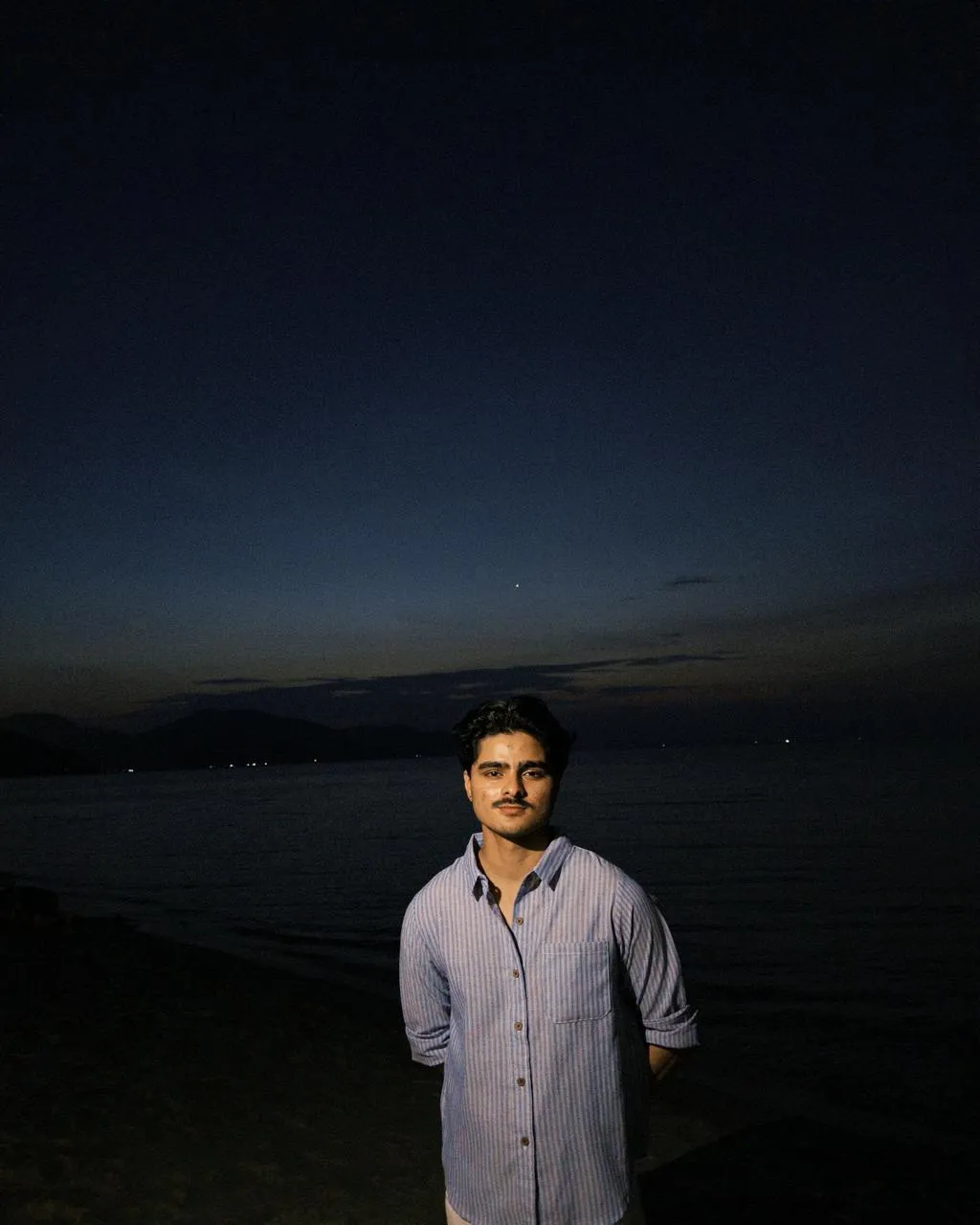
The program changed the way I think. Before coming to Malaysia, I often looked at problems one by one. Through systems thinking, I started asking what causes those problems and how everything is connected. We visited organizations working on conservation, education, and sustainability, and I realized that change does not always start with big organizations. Sometimes it starts with ordinary people who care enough to do something for their community. If there is one thing I will take away from Take Action Lab, it is that the best learning rarely happens while someone is standing in front of a PowerPoint. It happens when you are talking to people, asking questions, making mistakes, and taking the time to reflect.
Living in Malaysia became just as important as the program itself. Penang slowly started feeling like home, especially George Town. I loved walking through its streets because there was always something new to notice, whether it was the murals, the old buildings, or the food. I also got the chance to travel to Melaka, Ipoh, Cameron Highlands, and Kuala Lumpur with my friends from the cohort. Those trips are some of my favorite memories. We got lost, missed buses, changed our plans halfway through the day, and somehow those unexpected moments became the best stories. Traveling together helped me understand Malaysia in a much deeper way than I ever could from reading about it. The best education happens beyond the four walls in the real world, through people, places, cultures, and experiences that you never planned for.
A huge part of what made this experience special was the people I lived with. I shared Apartment 801 with Divine from Nigeria and Akech from South Sudan, although both of them were studying in Rwanda. We started as roommates, but by the end, they genuinely felt like brothers. Akech always called me "brother from another father," and he even had a video call with my dad. We cooked almost every day, and sharing food became one of the easiest ways to share our cultures. They loved the Nepali food I cooked, and after I took them to a Nepali restaurant, Akech could never stop asking for "chicken khana." Divine was easily the best cook in the whole cohort. His jollof rice and pasta were honestly better than the food I have had in many restaurants. Apartment 801 somehow became the place where everyone ended up. We watched movies, played Uno, Mafia, Imposter, and 30 Seconds, and spent hours talking. I also started something called Hot Takes with Abi, where we talk about politics, culture, or whatever is happening in the world. Outside our apartment, our cohort stayed close by organizing potluck lunches, celebrating Eid together, and making time to simply sit, eat, and talk. Those moments mattered because they brought everyone together, no matter where we came from.
When I think about Take Action Lab today, I not only remember the learnings from the curriculum or the places we visited, but also remember the people. I remember the conversations that challenged my thinking, the meals we cooked together, the streets we wandered without a plan, and the feeling of belonging with people who had once been strangers. I came to Malaysia hoping to learn about sustainability, but I left with something much bigger. I left with lifelong friendships, a new way of looking at the world, and the belief that the best education happens when you step outside your comfort zone and allow people, places, and experiences to change you.
(Check the link below for a detailed explanation of the things I did)
https://padlet.com/tltntakeactionlab/abishkar-portfolio-d7x4ws42wz6zvojt
Stipend and Money
They provide us with a living and transportation stipend monthly, which is enough for us to sustain throughout the month. It depends on us how we utilize the stipend and also at the orientation they guide us on how to spend the stipend in a responsible way.
Internship experience
My apprenticeship placement was at the Tropical Spice Garden (TSG). I was there with two other fellows, Julia from Brazil and Enkhjin from Mongolia. At TSG, we learned about composting and worked in the community garden for two days a week. On the other days, we helped prepare for the BuMI Fest, which is a two-day annual wellness festival held at TSG.
While my time at TSG was enjoyable, it was also challenging because the garden was quite far from the place where we were staying. It took us 1 hour and 10 minutes to travel one way. For a few weeks, I found working in the community garden tiring as it was outside of my comfort zone. Nevertheless, the atmosphere at TSG was warm and welcoming. The other staff members were engaging and made us feel like part of their family very quickly.
Kath, one of the staff members, affectionately called me "son" and treated us exceptionally well. She often saved us food for breakfast. Our supervisor, Kat, was also very nice to us; she would drop us off halfway on our way back, take us for lunch on time, and ensure we were learning and having a good experience. Adma, our community garden supervisor, made sure we were comfortable while working in the garden and that the hot weather wouldn't tire us out, and also gave us a good laugh at the right time.
One person who was particularly close to us, always offering fun and support, was Rong. She had great energy and introduced us to the garden, sharing stories about the history of spices and making sure we were doing well.
In retrospect, all three of us found TSG challenging at the beginning, but as the days went by, it turned into a fun and valuable learning experience.
Final words
I am a first-generation college student, and I come from a middle-income family. Growing up, I realized that when your parents have never been through college themselves, you have to figure out many things on your own. You have to search for opportunities, understand what is out there after high school, and decide what kind of life you want to build. Coming from a South Asian family, there is also this common expectation that you should study hard, get good grades, earn a degree, find a stable job, and settle down. Programs like Take Action Lab are not something many students even know about, let alone imagine themselves joining.
My parents never stopped me from exploring beyond academics, but they also could not tell me what path to take because they had never been through it themselves. That uncertainty became my motivation. I did not join Take Action Lab only because it focused on sustainability, even though I had previous experience working on environmental and community projects. The biggest reason I applied was to challenge myself. I wanted to know how far I could go outside my comfort zone. I wanted to see if I could adapt to a completely new country, live with people from different cultures, and learn from experiences that no classroom could ever offer.
If someone asked me today where I see myself in five years, I honestly still would not have a perfect answer. What this program gave me was not a fixed career plan. It gave me something much more valuable. It gave me the confidence to stay curious, keep learning, and believe that whatever I do in the future, I want it to create a positive impact on my community. It taught me that being a changemaker is not about having all the answers. It is about being willing to listen, understand different perspectives, and take action, even in small ways.
Without any hesitation, I can say this program was worth every moment. If I were offered the chance to do Take Action Lab again, I would gladly take a semester off to join. In fact, after talking with participants from the South Africa cohort, I found myself wanting to experience that program as well because every country offers different lessons and a different perspective on the world. That is something I have come to value deeply.
If I could give one piece of advice to any student, it would be this: do not be afraid of taking a gap year. There is no prize for rushing into university if you are not ready. Some of the best lessons in life come from stepping outside your comfort zone, meeting people whose lives are completely different from yours, and seeing the world with your own eyes. It does not even have to be international. Travel somewhere within your own country, volunteer in a rural community, or join a program that pushes you to think differently. Those experiences will teach you things that no textbook ever can.
Take Action Lab is one of those rare experiences that stays with you long after it ends. It challenged the way I think, gave me friendships I will always value, and showed me that creating impact is not about becoming the hero of the story. It is about listening first, learning from people and communities, and then taking action together. That is the biggest lesson I am taking home from this program. If you would like to explore this idea further, I highly recommend Tackling Heropreneurship by Daniela Papi-Thornton. It perfectly captures the mindset that Take Action Lab helped me develop.
Article link: https://ssir.org/articles/entry/tackling_heropreneurship