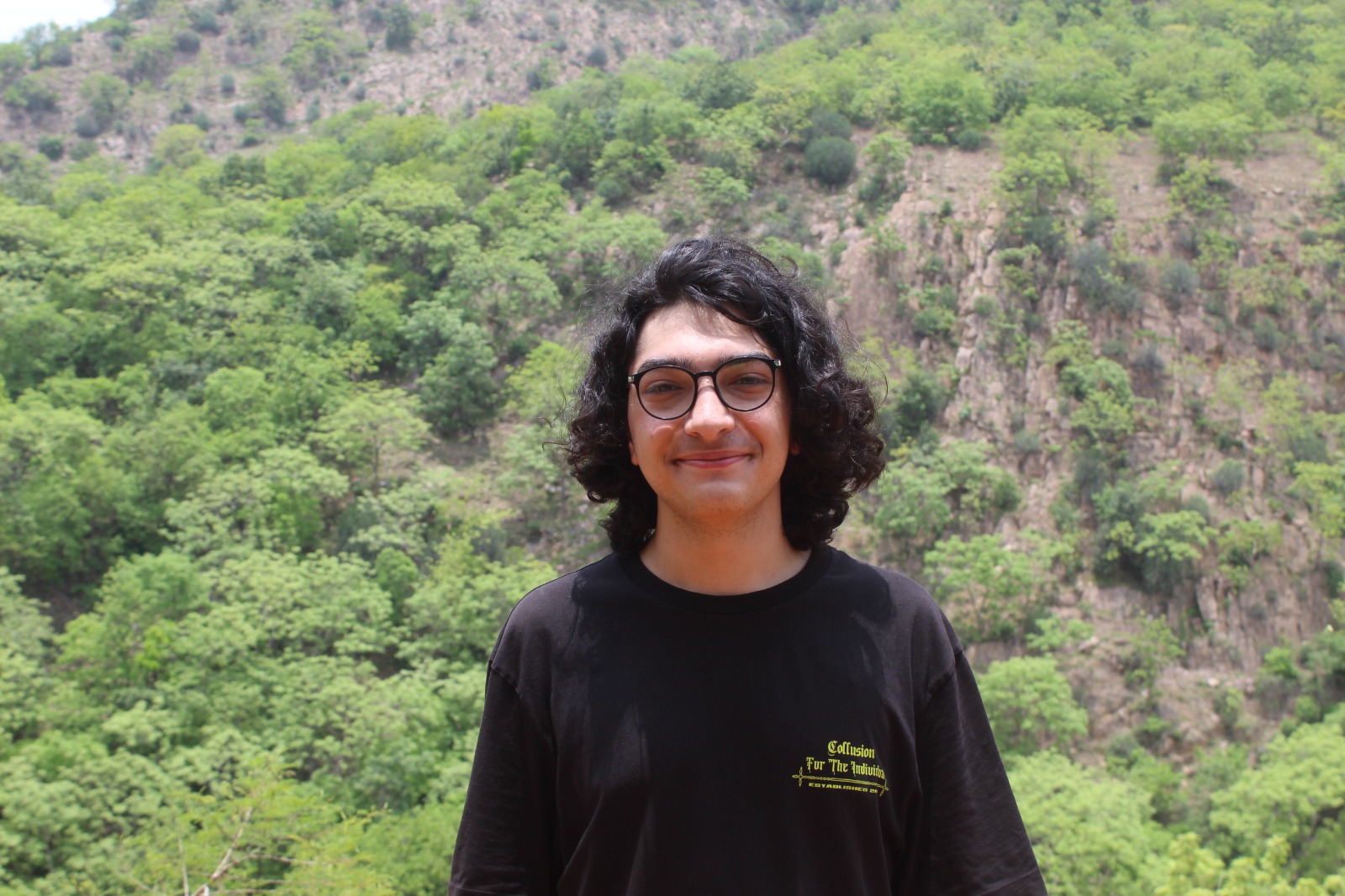
Most people think that getting into universities abroad requires you to do things that “look impressive” just for the sake of the application. I never did that. I followed the “follow your passion” advice, and it led me to get accepted into three universities as a person who has lived in a war zone his entire life.

Background & Stats
I come from Aleppo, one of the world's oldest continuously inhabited cities, with a history spanning over 4,000 years. And I’m fairly certain it’s one of the few places on earth where you can find soap made from olive oil. I attended a private school on a full scholarship, where I studied the Syrian Baccalaureate curriculum just like every other Syrian. I was a top student, and I graduated from high school with a 99% GPA. I was supposed to take the SAT in Jordan on December 8th, 2024, yet that day was literally the same day when Syria got liberated, everything became suddenly chaotic, and there was no way for me to go to Jordan, so I ended up applying test-optional to all the schools I applied to. As for English tests, I took the Duolingo English Test (DET) and scored 145/160.
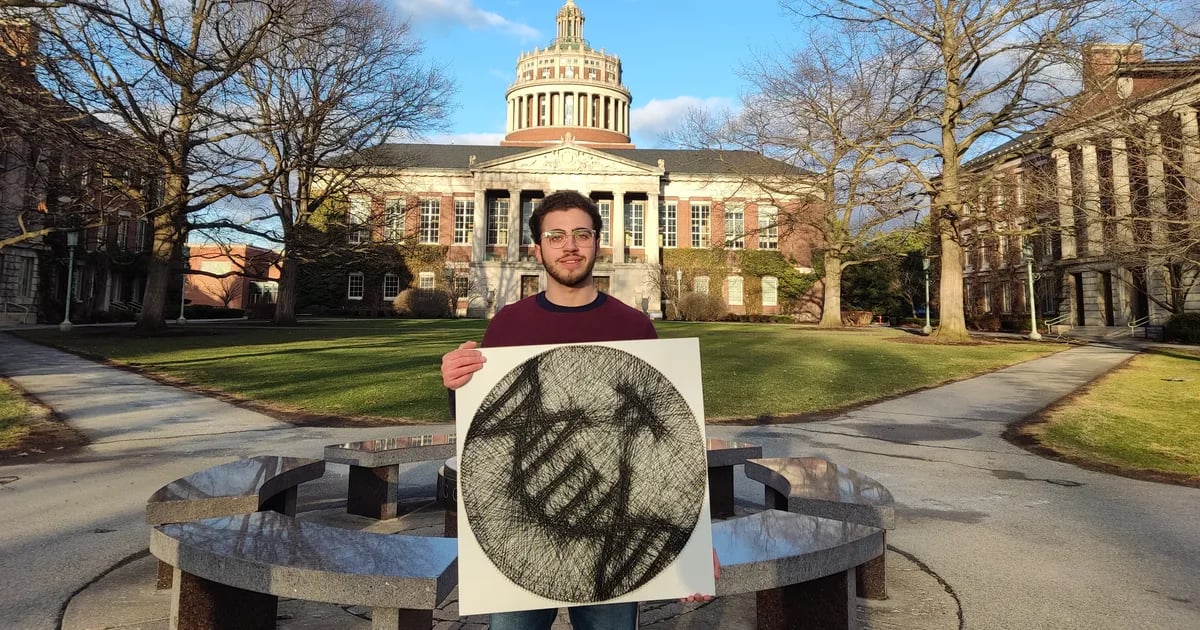
I’m currently studying Biomedical engineering at the University of Rochester in New York, and my major is a mix of everything, from mechanical to electrical engineering, biology, and chemistry.
My Decision to Move Abroad
My decision to study abroad was mainly formed due to the poor educational quality in Syria. I knew that if I wanted to study in Syria, I would have to study medicine, because it’s the only major that somewhat has good resources, yet I knew that studying medicine wasn’t my goal, and studying a major that I’ll actually benefit from became my motive to study abroad.

In 9th grade, I first heard about people studying abroad, but I didn’t have much knowledge and didn't take any action. Yet, in 10th grade, one of my friends introduced me to the Syrian Youth Empowerment (SYE) program, a free, one-on-one mentorship program designed for Syrian youth planning to attend college abroad. I took a look at their application, but because college admissions and essay writing were something new to me, mainly because the Syrian system of getting into colleges is very different than the US system, and we were never even taught what essays and ECs are. I got overwhelmed and never finished my SYE application. Instead, I went on to learn about the process on my own. A year later, I re-applied to SYE, but I was rejected; however, to my surprise, SYE had shared their curriculum with the students that year, and I got the chance to learn even more about the process and programs similar to SYE. During my senior year, I applied to SYE and got in. Got Waitlisted from UWC. Then I applied and was accepted into CAO, a free mentorship program for students applying to universities abroad, offered by Crimson Education.
After I got accepted into SYE and CAO, I began working on my application to 21 universities. I applied to NYU Abu Dhabi and the Tomorrow’s Leaders scholarships, and the other universities were mainly in the US. I got accepted into three schools: Marquette University, the University of Connecticut, which gave me a 50% merit scholarship, and then I applied for the Handler scholarship, a full-ride scholarship at the University of Rochester. I made it into the interview, yet it was at 3 AM my time, and I didn’t do well on it. Yet I ended up getting a 50% merit scholarship, and the rest was need-based financial aid.
Support Program (CAO)
CAO is a program run by Crimson Education, and its main focus is helping low-income students worldwide with the college application process. CAO has two programs: the group and the individualized program. I was accepted into the group program, where the focus was mainly on learning about the application process, rather than on feedback. I only got the chance to get my essays reviewed once, yet the reviews were very detailed, and that helped me a lot. The individualized program has a lower chance of acceptance, yet there, students are open to more research and internship opportunities that aren’t available in the group program. In the CAO application, you will have the chance to choose which of the programs to apply to, and regardless of which one you end up getting into, they’re both very handy and will help you a lot with the process.
Extracurriculars & Honors
My extracurriculars were very broad; I had a huge chunk of time commitment to swimming. I did competitive swimming and won gold medals locally. I was a lifeguard and swimming coach, and I ended up teaching swimming to over 200 kids and I also coached over 12 people with special needs for three years. I spent a lot of time on swimming, as I was in the pool for over 40 hours per week in the summer, and it was an activity I did from my freshman year all the way to my gap year.
Besides swimming, I was a Troop leader for three years, where I was responsible for eight people, and during my second year, I was preparing to become a chief, which made me responsible for the scout members and camps. One of the highlights of my application was organizing a two-day camp for the troop that I was responsible for. It was eight people, and I was also doing some archive reports. I ended up finishing Scouts with 17 badges and being named the Scout of the year twice in a row. This activity took about six or seven hours per week, and I did it year-round. During my time in the scouts, I also did a lot of volunteering activities. I helped people with humanitarian aid distribution after the earthquake that happened in 2023. And our scout also partnered with local organizations to organize events for people with Down Syndrome and Autism Spectrum.
In Aleppo, four schools used to organize local science fairs for students in 10th and 11th grades. I participated in both years. In 10th grade, I created a 3D diagram of a wormhole and showcased it to our school’s committee. During 11th grade, that was when I worked with the information technology teacher, and we made an Arduino circuit that simulates a heartbeat and shows it on an oscilloscope. Science fairs weren’t something new to me at all, as I have been doing them ever since I was in 6th grade, and I got interviewed on national TV to talk about my projects.
In High School, I was also obsessed with String art. It wasn’t something I did consistently, mainly because getting wood was a commitment on its own, and I ended up donating most of my art to charity sales that my Scout did, and also conducted a couple of workshops to teach people in my scouts about string art.
I was also a participant in a month-long program from Education USA Academy Connect, where I learned about the American culture, leadership, and the US college admission system.


Essays & Resources
In 10th grade, the essays were the part that prevented me from applying to SYE, as I had no previous experience writing them, and no idea about what to write or how to structure them. I ended up watching a lot of YouTube videos about writing essays and reading other people’s essays to fully grasp the knowledge.My first few essays weren’t good at all, but writing essays is a skill that demands iterations and lots of trial and error to get to the best version of your essay. It’s very unlikely for your first draft to be perfect. It’s all about being familiar with the process of writing an essay and brainstorming good ideas that resonate with your story.For resources, I mainly relied on YouTube videos. I used to watch a lot of videos about the college application process from various creators, I read a lot of the college essay guide articles, and I also used to ask my SYE friends for reviews on my essays.


Financial Aid & Scholarships
When I first applied to the university, I emailed them to apply for a CSS fee waiver, yet they didn’t approve it because they said that they would waive it if I got accepted into the university. However, in early February, I received an email from the university saying that my CSS profile fees had been waived. This was 1 week before I became a finalist for the Handler scholarship, which I was nominated to by SYE. The process was a four-hour info session and general Q&A, and then there was a short interview with a couple of staff from the school, and a few days later, I received the decision. I got accepted to the school, but I was rejected from the Handler scholarship. Yet the good news was that they gave me the Genesee Scholarship, which covers 50% of tuition, and then also gave me a research and innovation grant, which I can use for research over my four years, and then they used my CSS profile to cover the rest of my tuition.
First Semester at Rochester & Social Life
My first semester was pretty fun overall. I joined a program called UR FOOT, where we got to do a bit of hiking and kayaking before the academic semester started. And I ended up meeting a few people who are now close friends of mine. Most people here are very nice, and they’re so accepting and open-minded.

Transitioning from the Syrian educational system to the one in the US wasn’t easy at all. In Syria, the only thing that will get you marks on the exams is how much you can memorize, not how much you understand the material, and it took me around a month of asking my friends to figure out the right ways to study and to adjust. I took 18 credits my first semester, and my courses were focused on Psychology, Biomedical Engineering, and Chemistry.
Research & Clubs
I’m part of a couple of clubs on Campus: The biomedical engineering society, a large organization for biomedical engineering undergraduates, and the SADACA club, a small club for arabs to exchange and do activities that are related to our culture. And currently, I’m getting involved in a research lab with a professor I met during the orientation week, the research is mainly focused on sensation, the human skin, and how humans sense different things.
Advice for Students Applying to Universities
Remember that there’s no specific criteria for acceptance, everybody’s story is different, and just because you may get rejected from lots of universities doesn’t mean that you’re not good enough, I got rejected from 18 universities, there are some people I know who applied through multiple cycles to get one acceptance, if it happens to you then great, but if it doesn’t, then there are always more opportunities to pursue.