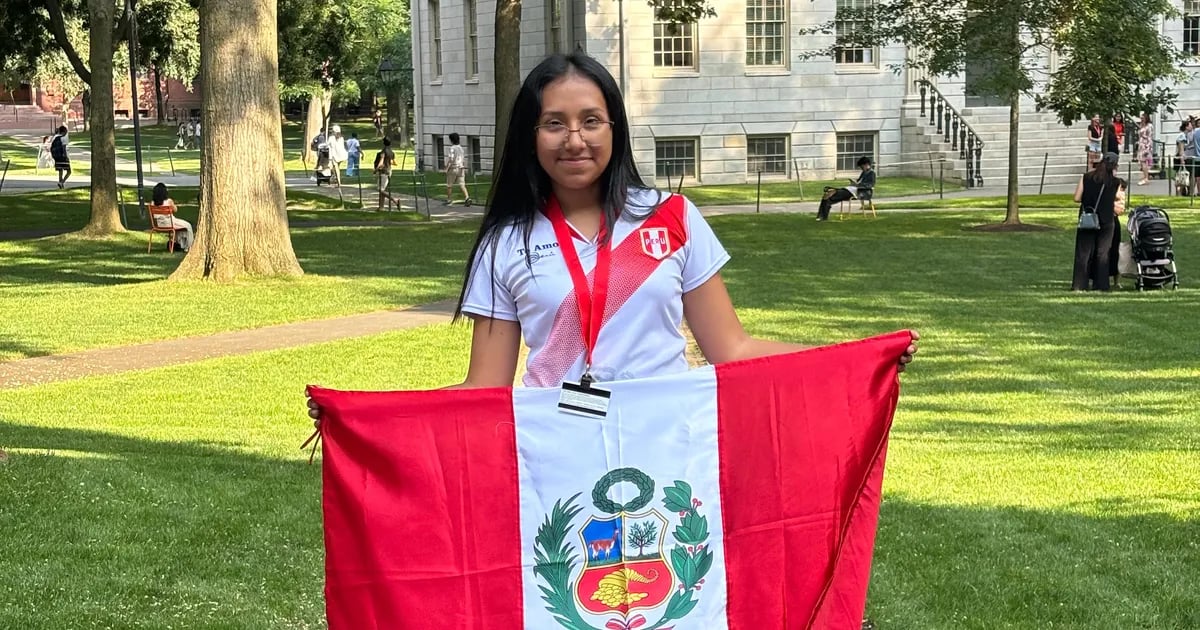

Yanhira is a Peruvian student committed to expanding educational access and global engagement opportunities for young people. She was selected for the prestigious Beca Cometa Camp program and earned admission to competitive programs at Harvard University, including Harvard Alpha Scholars and the Harvard Pre-College Summer Program.
Beyond her academic achievements, Yanhira is the co-founder of CREA, a student-led initiative providing 100% free tutoring to primary and secondary school students across Peru. Through CREA, she helps create accessible and motivating learning spaces where students can receive high-quality academic support regardless of their background.

How I Discovered Tilting Futures
Before applying, I had never heard of Tilting Futures, the organization behind Take Action Lab. I had just graduated from high school and decided to take a gap year. For me, that year wasn’t simply a break; it was a period of personal discovery and a chance to explore opportunities I hadn’t been able to pursue before.
While scrolling through social media one day, I came across the call for applications. I decided to look more closely at what the program offered. As I read through the details, I realized that the third and final deadline was only two days away.
With so little time, I didn’t feel very confident at first. Still, I knew I would regret not trying. So even though it felt last-minute and uncertain, I chose to apply. I reminded myself that it was better to take the chance than to keep wondering what might have happened.
A few weeks later, I received an email saying I had advanced to the next phase. From there, I moved through each stage of the process until I was eventually accepted into the program.
Application Process
The application process is divided into two main phases. The first phase focuses on understanding who you are — your academic background, achievements, extracurricular activities, and personal reflections through essays.
Alongside submitting personal and academic information, applicants are also asked to demonstrate their level of English. An official exam score is not required; instead, the program provides a short, free online test that gives an approximate level. That was the option I completed.
There is also space to highlight extracurricular involvement. I included the volunteer work I had participated in, since it reflected both my interests and previous experiences.
The essay section, however, is the most substantial part of this phase. It can feel demanding, but it also invites you to reflect on your motivations and values. Although some prompts change each year slightly, something I noticed when comparing my experience to that of more recent applicants, the overall purpose remains the same: to assess whether your profile aligns with what Take Action Lab is looking for.
After submitting everything, there is a waiting period of a few weeks before receiving the next update. If you advance to the second phase, you are asked for additional information, such as vaccination status in case of acceptance, financial aid needs, and a brief evaluation. They also request details about your visa and passport, whether you already have them or how you plan to obtain them within a specific timeline.
The Interview
There is also an interview. My cohort was the first required to complete this step, as it was introduced last year.
The interview included questions focused on whether your profile truly fit what Take Action Lab looks for and whether you were willing and prepared to attend. I was asked things like:
- What are two things you believe you’ll take away from the program?
- How would you interact with peers from different parts of the world?
- How do you imagine building connection and communication with them?
They also asked how I planned to prepare in the months leading up to the program, how I would organize myself, and how I envisioned my experience there.Once all stages are completed, you will receive the final admission decision.
Prior Preparation
One of the aspects I appreciated most about Take Action Lab is that the experience begins well before traveling. After being accepted, participants begin a preparatory program designed to ease the transition and build context for what lies ahead.
Through weekly virtual meetings, we started getting to know members of our cohort while also learning about South Africa—its history, its social context, and the communities we would soon be part of. Those conversations helped me feel connected even before arriving.
Beyond the live sessions, we were given access to additional materials and resources to review independently. It gave me a clearer understanding of where I was going and what I would be stepping into.

Navigating the Visa Process
As an international student, I received clear information about which documents I would need, the deadlines to keep in mind, and how to approach the process step by step.
At the same time, I reached out to friends who had previously attended Take Action Lab in South Africa. Speaking with them helped me clarify doubts and hear firsthand what the experience had been like. Their perspectives allowed me to prepare mentally and think about how I wanted to approach my own journey.
Since I was still a minor at the time, preparation also meant having open conversations with my parents. They were not very familiar with programs like this, so we reviewed the website together and discussed the structure and support provided. As I shared what I had learned, their confidence gradually grew.
Before leaving, I researched the area where I would be living, the people I would be interacting with, and even created a small to-do list for my three months in South Africa. Taking those steps helped me feel more secure and ready for the transition ahead.

Arriving in South Africa
I had a few minor complications before traveling, which meant I arrived a couple of days after the rest of my cohort. Nothing serious had happened, but arriving late meant everyone had already started getting to know each other.
I’ve always been a little nervous when entering new environments. It usually takes me a few days to feel fully comfortable, so one of my biggest fears was whether I would be able to build friendships quickly—especially knowing that I was 17 and some participants were up to 21.
But from the moment I arrived, that fear slowly faded. The Take Action Lab team welcomed me at the airport and took me to the house where I would be staying. Even though I arrived later in the day, my housemates were waiting for me. They helped me with my luggage, showed me around, and made space for me right away. That warmth made the transition much easier than I had expected.

The First Week: Adapting and Preparing
The first week was dedicated to adapting. Each morning, we met with the team until around 2 p.m. to discuss different topics and prepare for our internships. Those sessions helped us understand our roles and expectations, but they also gave us time to adjust—to figure out practical things like meals, transportation, and daily routines before officially beginning our placements.
Having that space to settle in made a difference. It allowed me to feel more grounded before stepping into a completely new work environment.
Teaching Digital Literacy at SHAWCO
After that first week, I began my internship at SHAWCO, where I was placed in the education department. SHAWCO provides free educational resources to students and also offers medical and legal support services. I taught Digital Literacy, which was especially meaningful to me because it was my first time being a teacher.
When we completed a form describing our interests and skills before being matched with an organization, I had mentioned that I wanted to work directly with children and explore teaching in a hands-on way. Being placed in that role felt aligned with both my interest in technology and my desire to contribute in a practical setting.
My days quickly developed a rhythm. I would wake up at 7 a.m., get ready, have breakfast, and head to my internship. I usually shared an Uber with another participant, while others took public transportation or walked if they lived closer to their placements.
In the mornings, I worked with the youngest groups, introducing them to basic digital skills. In the afternoons, older students would arrive after school for additional academic support. My day usually ended around 3 or 4 p.m., and by then I felt both tired and fulfilled.

Life Beyond the Internship
After returning home, our time was more flexible. Some afternoons were quiet—watching movies, talking, or simply resting. Other days, we would gather at each other’s houses and spend time together. I lived with other Latin American participants, but I also formed friendships with people from different parts of the world, which made the experience even richer.
On weekends, we explored Cape Town. One of the things I appreciated most was that Take Action Lab organized group outings every Friday or Saturday. Whether it was bowling, visiting animal farms, hiking, or exploring new places, those moments gave us the chance to reconnect as a full group at least once a week.

How the Experience Changed My Perspective
One of the values that was constantly emphasized throughout the program was being open-minded. Living and learning alongside people from different countries and cultures changed the way I see the world.
There were so many ways in which we interacted and learned from one another. On certain days, when a celebration was taking place in someone’s home country, they would bring that tradition to us in Cape Town. I had the opportunity to take part in different cultural celebrations, adapted to where we were, yet still meaningful to them.
Food became one of the most beautiful ways we connected. We shared traditional dishes, explained the history behind them, and noticed how certain recipes from completely different parts of the world could feel surprisingly similar. I remember preparing Peruvian dishes and hearing my friends say that something tasted like a meal from their own country. It was fascinating to see those similarities and differences at the same time, how they complemented each other rather than divided us.
Cultural Series
Because of the timing of the program, I was also able to celebrate Día de la Canción Criolla in South Africa. I prepared Peruvian food, played music, and shared part of my culture with them. In the same way, my friends shared their traditions with me. Through those exchanges, I not only learned about their roots, but also began to understand how identity, culture, and even religion shape the way each person sees the world.
The program also included a weekly space called Cultural Series. Each week, someone would present an aspect of their culture—sometimes through food, sometimes through a presentation, music, or dance. It became a space where differences were not only acknowledged, but celebrated.
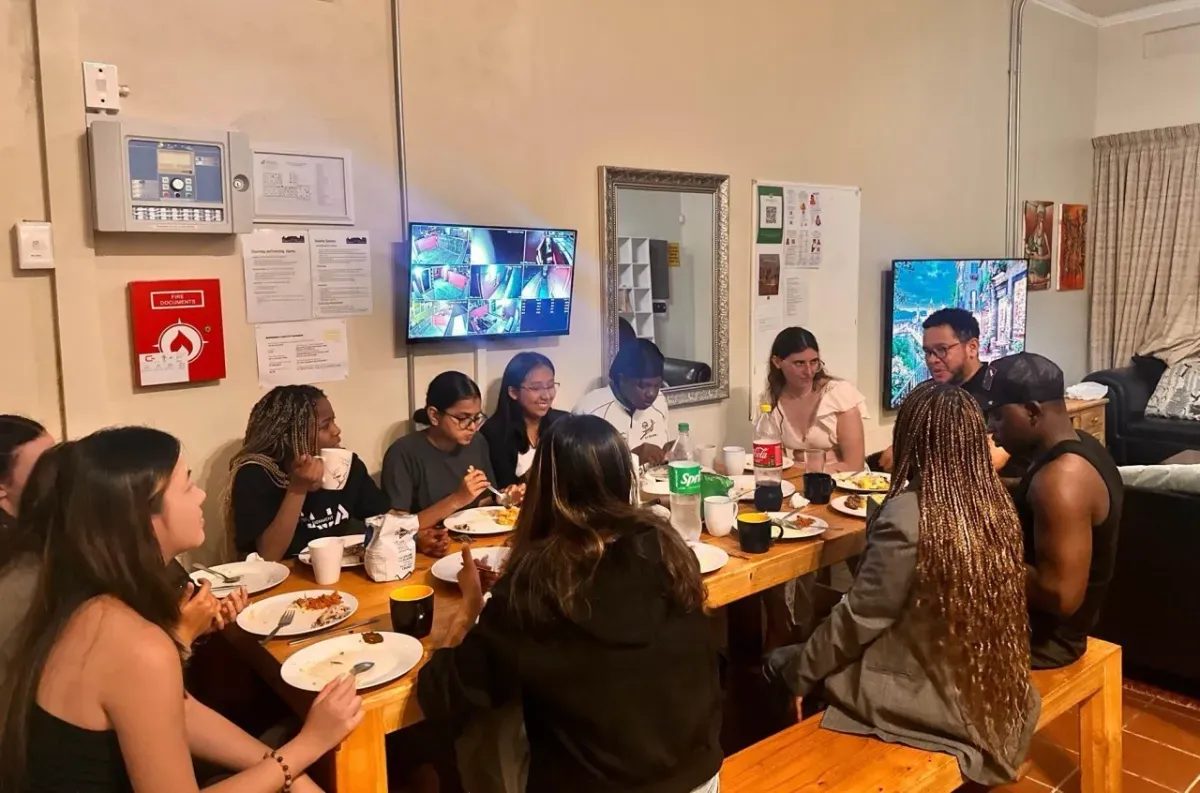
Being surrounded by diverse perspectives also meant encountering different beliefs and opinions. At times, we didn’t necessarily share the same views, whether culturally or religiously. However, the program constantly reinforced the importance of listening, respecting, and learning from one another. I realized that being open-minded doesn’t mean changing who you are; it means being willing to understand others without judgment.
Through those conversations and shared moments, my understanding of the world expanded. I began to see it not as separate countries and differences, but as interconnected stories, experiences, and traditions that enrich one another.
Advice for Future Applicants
If I could give one piece of advice, it would be to apply without fear.
Take Action Lab is an experience that truly shapes you. During my time there, I learned to be more independent, to take care of myself, to look after others, and to step into situations I might not have dared to before. Growth often happens when you allow yourself to enter unfamiliar spaces, and this program creates the conditions for that growth.
Even if you think you might not be accepted, apply anyway. Many participants, including friends I met, submitted their applications without being fully confident—and they were accepted. There is no barrier in simply trying. You lose nothing by applying, but you can gain an experience that transforms you.
While I participated in the program in South Africa, there is also a program in Malaysia. I spoke with friends who completed their experience there, and something we all consistently share is that Take Action Lab becomes unique for each person. Not only because of the internship you are placed in, but because of what you discover about yourself throughout the journey.
We also had the opportunity to speak with David, who shared how the idea for the program was born. Through his own experiences completing internships in different countries, he realized how transformative it can be to step outside your environment, connect with people from around the world, and develop both professional and personal skills. He wanted to create that same opportunity for students.
And that is exactly why I would encourage anyone interested to apply without hesitation. Allow yourself to step into something new, to discover different cultures, and to grow in ways you may not yet imagine. Make the experience your own, and let it shape you in the way it is meant to.