"I'm not an African because I was born in Africa, but because Africa is born in me." — Dr. Kwame Nkrumah
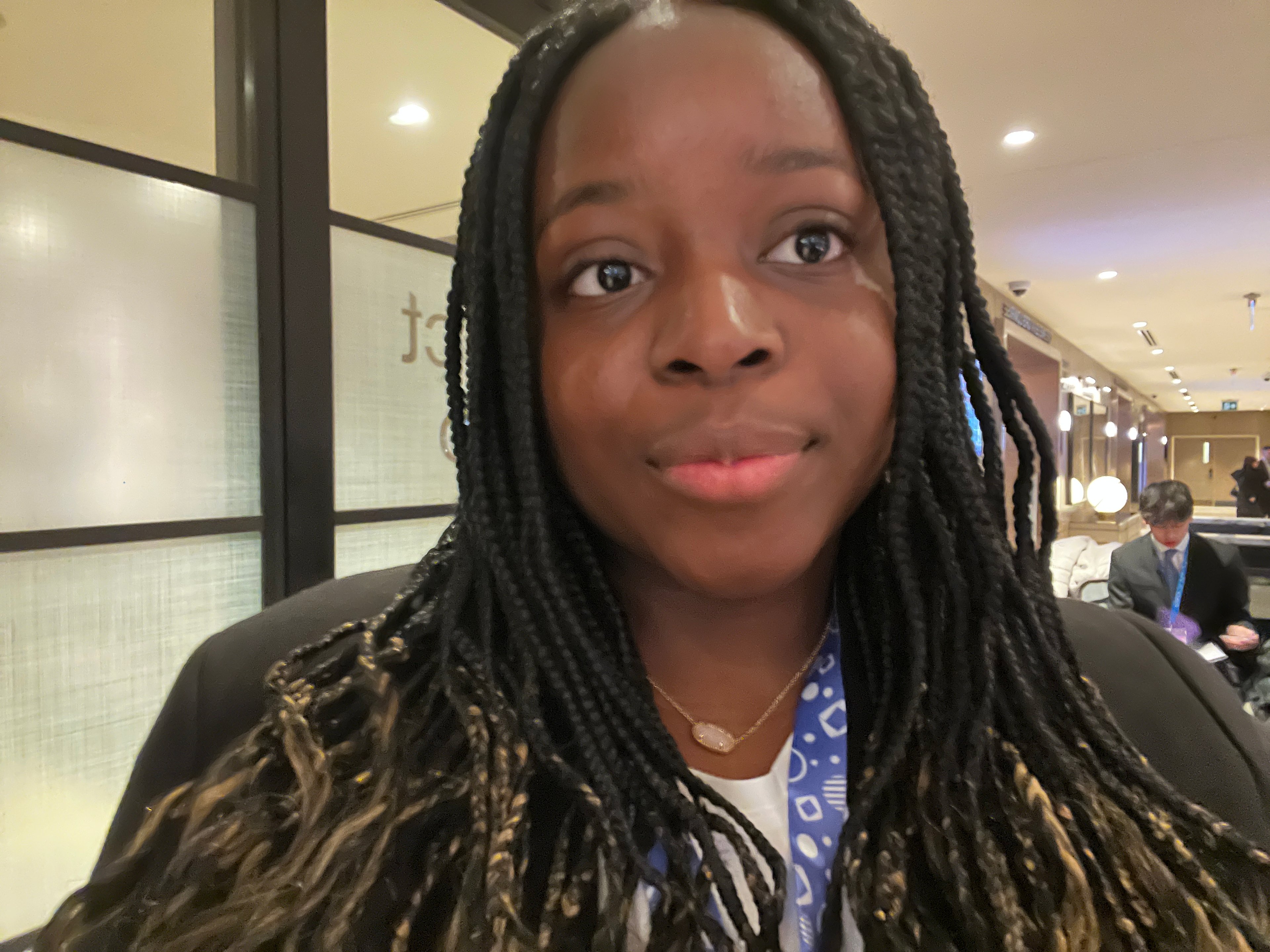
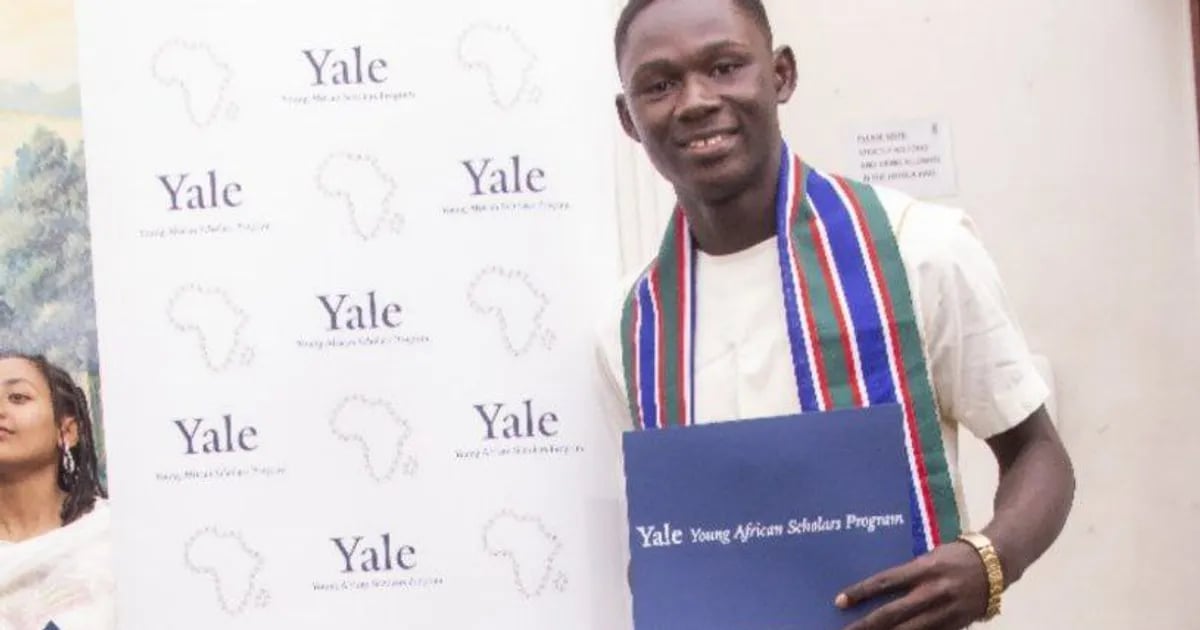
Mid-discussion at a Yale Young African Scholars (YYAS) workshop in Zimbabwe, a female speaker stood up and said this quote. When she said it, something shifted in how I understood my own ambition.
Most of us, when we close our eyes and think of Africa, we think of poverty - we think small, we think local, we think only about our own countries.
YYAS taught me to think continentally.
Leadership Started at 7, in a Church in Ghana
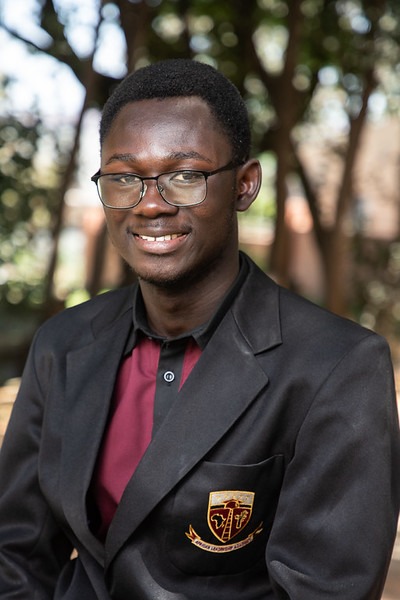
My name is Alfred Kyeremeh, and I'm from Ghana. I'm currently a student at the African Leadership Academy, and I run my own non-profit, Empower Youth Community Alliance.
I've always had a desire to lead. At age 7, I started leading sessions in church - we'd even go on radio stations sometimes for competitions. I first heard about YYAS through my brother, who'd inspired me to pursue programs like RISE (where I became a finalist) throughout high school.
My leadership journey has been shaped by my brother in a specific way: he doesn't just tell me to do something and expect me to follow - he helps me understand the why behind things.
So when I applied to YYAS, what hooked me was the word "scholar." I thought the program would connect me to other like-minded young leaders across the continent, and the chance to meet people from 14 African countries felt like an opportunity I couldn’t pass up.
What is YYAS, Anyway?
Yale Young African Scholars (YYAS) is a free, week-long academic and leadership program for African high school students aged 14-18. There are two options: an online College Prep Workshop (240 students) and a residential Leadership Summit that rotates between African countries. In 2024, my cohort gathered at St. George's College in Harare, Zimbabwe.
The program is completely free - no tuition, housing, or meal costs are charged to participants. For residential students, the only expense is travel to the host country, though some students receive need-based travel grants to help cover those costs. The application opens in the fall and typically closes in early February.
The Application: Why Building in Public Beats Perfection
The application took about two weeks total to complete. I had strong academics - no Cs, solid grades across the board - but that wasn't what would make or break my acceptance. My essays and extracurriculars played a much larger role in how the admissions committee would see me.

For my essays, I focused on having one main point - something specific they'd remember about me even after reading hundreds of other applications. In one essay, I wrote about a gift from my grandma: a picture I still keep with me that represents our connection.
I was head prefect across all three levels of school, worked in national offices, and was a RISE finalist. Choosing which activities to include was hard - I loved all of them and wanted to showcase everything. But I had to be strategic about what would actually strengthen my application.
Since YYAS is a leadership program, they want to see how you lead, not just what achievements or intellectual accolades you’ve collected. That's why I highlighted my project, Empower Youth Community Alliance, which equips teenagers with leadership and entrepreneurial skills and shows the kind of work I’m actually passionate about. RISE was a great accomplishment, but the project showed who I actually am beyond the awards.
Here's my biggest advice for future applicants: support your work with tangible evidence. If you have pictures of yourself at events, prototypes of your projects, videos of your initiatives in action - include them in your application materials. Building in public is key because admissions officers need to see the person they're reading about and understand why they'd want you in their program, not just read about what you claim to have done.
The Call That Changed Everything
I was lying in bed after school one afternoon, about to take my usual evening nap, when my brother called with news that would change my trajectory.
"Alfred, you know YYAS? You got in!"
I sat up immediately, my mind racing. My first thought wasn't even about the program itself or what I’d learn there - it was the realization that I was leaving Ghana for the first time in my life.
I told my parents immediately, then my siblings, who were thrilled. The next thing on my mind was pure logistics - how to navigate the airport, what traveling alone would actually be like, what I needed to pack for a completely unfamiliar place.
I thought I'd be terrified traveling solo to Zimbabwe, especially since it was my first time leaving the country. Turns out, I wasn't scared at all - the excitement of meeting new people in a completely different place overpowered any nervousness I might have felt.
Meeting (Surprisingly Fun) High Achievers in Zimbabwe
I had a layover in Kenya, scrolling through my YYAS documents at the gate, when a guy walked up to me with a knowing look.
"Bro, are you going for YYAS?"
I looked up, genuinely shocked that he could tell. "Yeah! How did you know?"
He'd spotted the documents I was holding, and it clicked for both of us that we were headed to the same place with the same anticipation. That was the first YYAS student I met - we were both equally excited and slightly nervous about what was ahead.
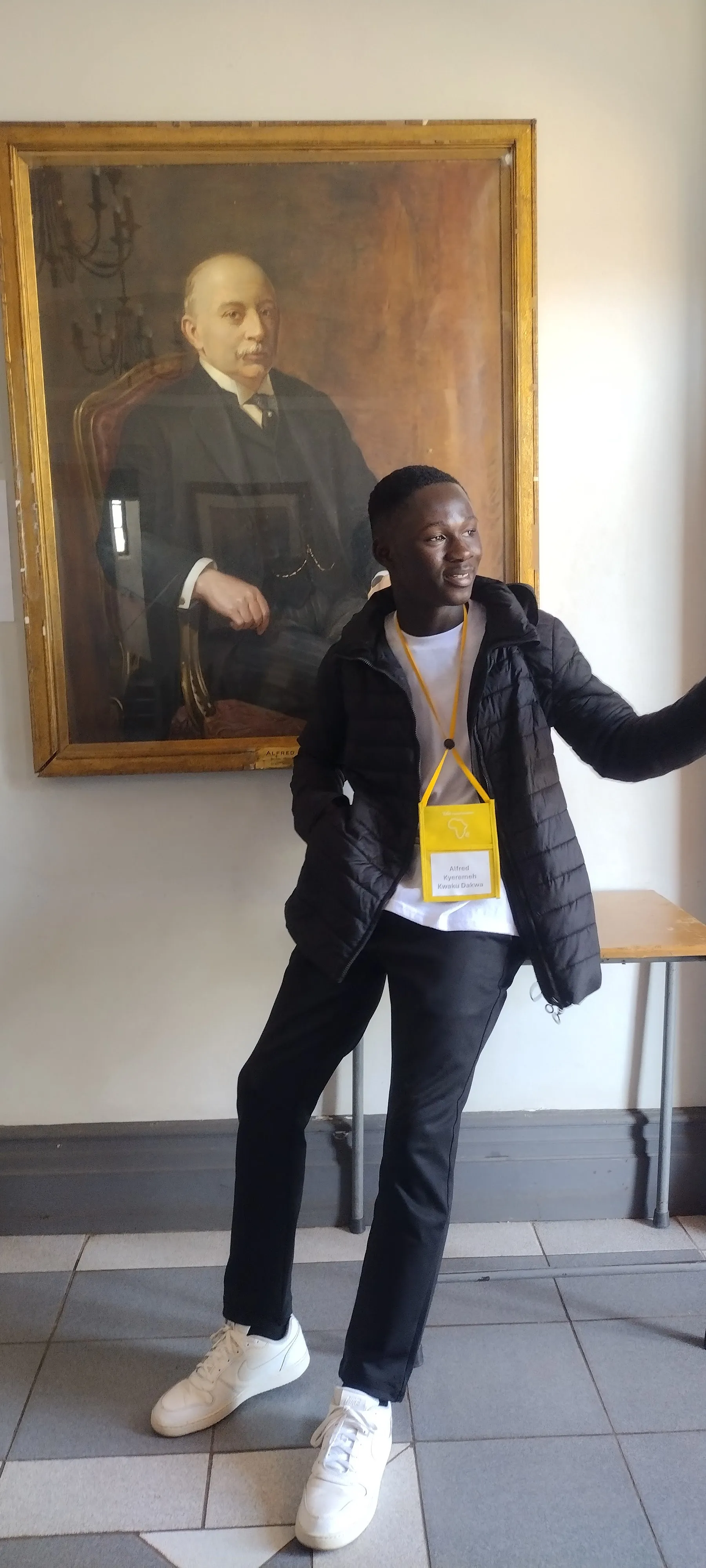
When I finally arrived in Zimbabwe and met the full group, I thought I'd be nervous meeting everyone at once. But I wasn't anxious at all - everyone was so welcoming, so easy to talk to, so genuinely interested in getting to know each other. YYAS had a team waiting at the airport to transport us to St. George's, which made me feel safer and more taken care of during the transition.
What really surprised me about the experience was this: high-achieving students are fun. I'd expected everyone to be serious, maybe even intimidating, definitely more focused on academics than anything else.
But there was this guy from Cameroon who completely shattered that assumption - he was a real jokester who'd crack jokes constantly and keep the energy light. But then he'd turn around and dominate discussions during general assemblies with incredibly thoughtful insights. He was brilliant and hilarious, and that combination showed me immediately that intelligence and fun aren't mutually exclusive.
Program Structure: From Mitochondria Jokes to Presentation Pressure
The program structure was rigorous - we had lots of sessions and packed schedules that kept us engaged from morning to evening - but every single session was interesting and worth the time. Outside formal classes, we had "family meetings" where we'd play games with our assigned groups and build relationships. It wasn't academic at all, just pure bonding time that helped us connect on a human level.
We were also split into interest-based groups depending on which problems in Africa we wanted to solve, and this became the foundation for our capstone projects. I chose the education track because that's where my passion lies. Each group worked on developing solutions and competed against the others to present the best project.
Beyond academics, we had cultural excursions that grounded us in where we were. We visited a sculpture site in Zimbabwe and learned about the history behind the art and what it represented for the country's heritage. We had talent shows, free time to sing and dance, play games outside - lots of informal moments where we could just exist as teenagers without the pressure of performance or achievement.
The hardest part for me was the capstone project itself, which demanded more of us than I expected. We spent hours with our groups, collaborating and planning and revising, which forced us to master time management while juggling everything else the program threw at us.
Our final presentation was pretty fun, though, despite the pressure. We wanted to include a photo of each team member to personalize our project. But one guy on our team refused to include his actual photo and insisted we use an image of a mitochondria instead - because he was the powerhouse of the team, obviously. We couldn't stop laughing at the absurdity, even in the middle of such a serious competition.
We didn't win, which honestly shocked all of us - we genuinely thought we had created a strong project. But I learned a lot about presenting under pressure and thinking on my feet when faced with tough questions from judges. That was my first time presenting outside Ghana to an international audience, and the experience alone taught me more than winning ever could have.

The family groups were my favorite part of the entire structure, though, because they were random and diverse. That meant we weren't just talking to people with identical interests or similar backgrounds, which made every conversation richer and more challenging in the best way.
After YYAS, you also join an alumni network of over 2,300 students from 42 countries across Africa, which has been invaluable for staying connected and building lasting relationships beyond the program.
From Country to Continent
After meeting people from 14 African countries and hearing their stories, my vision shifted in a way I didn't expect. Before YYAS, I thought about Ghana constantly - how to help my country, how to improve my community how to make an impact where I was born. That was the entire scope of my ambition, and I didn't see anything wrong with that focus.
But hearing stories from students in Kenya, Cameroon, Zimbabwe, Tunisia, and beyond - hearing about their problems, their creative solutions, their dreams for their own countries - I realized something fundamental: our challenges are connected and our futures are connected too. The issues I wanted to solve in Ghana weren't unique to Ghana - they were pan-African problems that required pan-African thinking.
That Nkrumah quote that the female speaker shared hit different after living through the program. "Africa is born in me" wasn't just poetic or inspirational anymore - it was real and actionable. Ghana wasn't separate from their countries in some isolated bubble - we were all part of the same story, the same struggle, the same potential future.
YYAS gave me a broader vision that extended beyond borders I'd never questioned before. I came back to Ghana determined not just to support my own country, but to think continentally about the work I wanted to do. The friendships I built during the program became the foundation for that shift in perspective, because now I had real people in real places I could collaborate with and learn from.
The program also fundamentally changed how I approach thinking itself. I used to be fixed-minded in my approach to debates and discussions - I'd argue to win, to prove someone wrong, to show that my perspective was the correct one. Now, I ask questions with the genuine goal of understanding where someone is coming from. I want to know why someone believes what they believe, not just dismantle their argument to feel intellectually superior. That openness has changed how I lead, how I build relationships, and how I approach solving complex problems that don't have obvious answers.
Reversing the Roles as an Alumni Ambassador
I'm now an alumni ambassador for YYAS, which means I get to be on the other side of the questions I once had. I was able to help one of my younger brothers in Ghana join the online program, which felt full-circle - someone invested in helping me access this opportunity, and now I get to do the same for others coming up behind me.
Students always ask me about financial aid and how to navigate that part of the application honestly. Here's my advice based on what worked for me: be honest about your financial situation. Don't exaggerate your need to seem more deserving, and don't downplay it because you're embarrassed or worried about seeming too needy. Just tell them exactly where you are financially and what support you'd need to participate.
YYAS is ready to help students who need it - but they need the truth to allocate resources appropriately and ensure everyone who deserves to be there can actually attend.
If I could leave future applicants with anything, it's this: authenticity and visibility matter more than perfection. Build in public and show your work as it develops, not just the polished final product. Make an impression by being genuinely yourself. Be open-minded about what you think you know and what you're willing to learn.
And if you have big ideas for your own country, know that YYAS will help you think bigger than you ever imagined possible. It'll make "Africa is born in me" feel real in ways you can't anticipate until you're living it.